
Suppliers often deliver grooved pipe fittings days or weeks before actual installation. During this waiting period, bad storage practices can easily turn a perfect shipment into a huge site problem. Moisture might attack the exposed metal. Rough stacking can chip the protective coatings. Furthermore, dirt can contaminate the gaskets. Mixed hardware also makes it hard to identify the right components. Proper storage offers a very simple way to protect product condition. It helps contractors, distributors, warehouse teams, and project managers avoid frustrating installation delays.
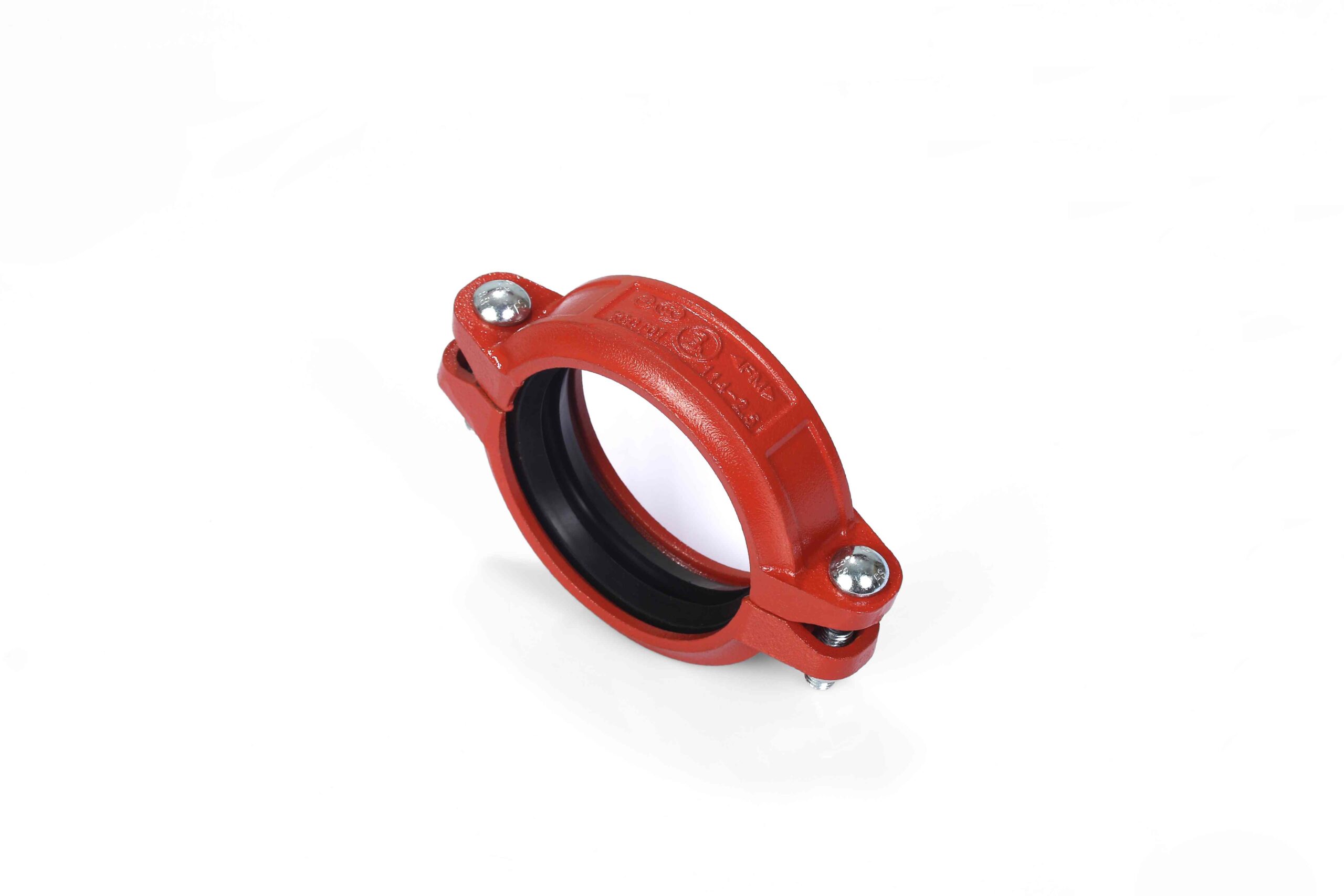
Where Should Grooved Pipe Fittings Be Stored on Site?
A good storage area must protect the fittings from harsh weather and standing water. It should also keep them away from construction dirt and heavy foot traffic. The primary goal is simple. You need to keep the products totally dry and easy to identify. They must also remain safe from any physical impact.
Should Grooved Fittings Be Stored Indoors?
Indoor storage works best whenever possible. This is especially true for long holding periods. You can use a dry warehouse, a shipping container, or a covered material room. These spaces greatly reduce exposure to heavy rain and blowing dust. They also block direct sunlight and limit sudden temperature shifts.
Sometimes indoor space is very limited. In this case, choose a sheltered and well-drained spot outside. You must keep all cartons and pallets completely off the ground. This prevents water from collecting around the bases. Tarps and covers certainly help. However, they must breathe so they do not trap harmful condensation against the metal fittings.
Why Should Fittings Stay in Their Original Packaging?
The original packaging helps keep every specific size and product family neatly together. It also stops finished surfaces from rubbing against each other. Plus, intact boxes make the factory labels much easier to read and preserve. You should only open these cartons when you actually need to inspect, count, or install the items.
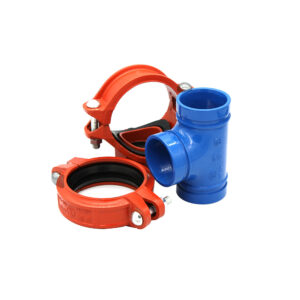
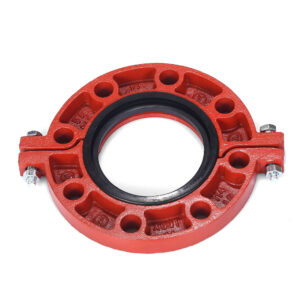
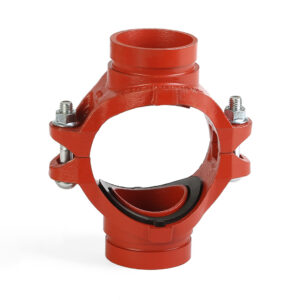
VICAST’s grooved pipe fittings include couplings, mechanical tees, mechanical crosses, grooved flanges, and connection fittings. You must keep these different groups separated. This practice prevents a very common site issue. It stops similar-looking components from getting mixed up after workers open the boxes.
How Should Couplings, Gaskets, Bolts, and Nuts Be Stored?
A standard grooved coupling relies on multiple parts working perfectly together. The housing segments, gaskets, bolts, and nuts must stay matched. They need to stay with the correct product and the exact right size.
How Should Rubber Gaskets Be Protected?
You must store gaskets in a very clean area. Keep them far away from sharp objects, oils, and fuels. They also need protection from harsh solvents and active welding sparks. These dangerous contaminants can quickly ruin rubber components. Do not leave loose gaskets sitting in direct sunlight. Avoid placing them on hot metal surfaces for long periods. Always follow the manufacturer instructions for any special product-specific storage rules.
Never hang the rubber gaskets from sharp nails. Do not stretch them tightly around your hand tools. A gasket might get distorted, cut, or dirty during its time in storage. If it looks questionable, inspect it closely before you start the installation. Never force a damaged seal into active service.
How Should Bolts and Nuts Be Organized?
Always keep the supplied fasteners right next to their correct coupling cartons. Dumping several different bolt sizes into one big container might save a little space today. However, this bad habit greatly increases the risk of sending the wrong hardware to a busy installer.
All fasteners must remain completely dry and fairly clean. You should set aside any items with damaged threads, heavy rust, or bent shapes. Never treat replacement hardware as fully interchangeable. Just because the bolt diameter looks somewhat similar does not mean it will actually work safely.
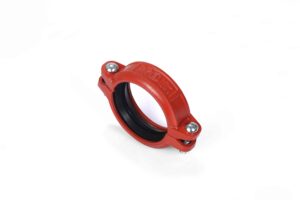
The VICAST XGQT02 flexible grooved coupling serves as one prime example of a complete coupling assembly. Workers use it widely in fire protection, HVAC, and heavy industrial piping. Its documented range covers DN25 to DN300. The product references key standards like ASTM A536, ASTM A395, ISO 6182, AWWA C606, and GB 5135.11. Keeping its housing, gasket, bolts, and nuts firmly grouped together is vital. This supports the controlled assembly process described in VICAST’s official guide on how to install a grooved coupling step by step.
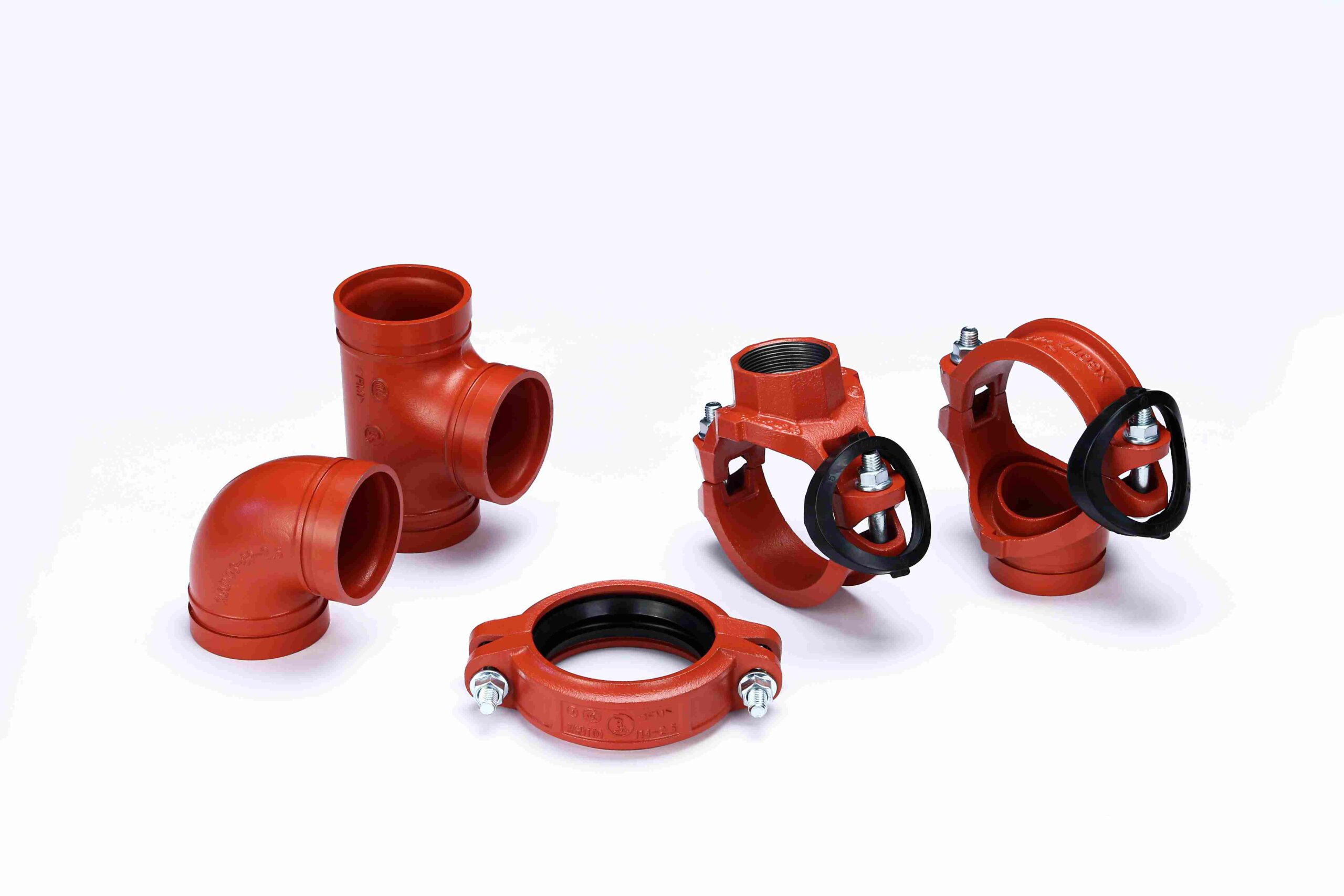
How Can Storage Prevent Coating and Casting Damage?
Good storage involves much more than just blocking moisture. Sudden impacts and clumsy stacking can easily ruin the metal castings. These bad practices destroy protective finishes long before the fitting ever reaches the actual pipe.
Should Heavy Fittings Be Stacked on Smaller Ones?
You must avoid unstable stacking at all times. Do not place excessive heavy loads on top of small cartons. The larger fittings will easily crush the weak packaging. They deform the cardboard boxes and cause dangerous metal-to-metal contact with the smaller parts below. Instead, use sturdy pallets, rigid bins, or strong shelving. You can also set up separated floor zones that match the exact weight and size of the fittings.
Keep all warehouse aisles wide and clear. Workers need enough room to move heavy materials safely. They should never drag cardboard cartons across the rough floor. Clear aisles also prevent forklifts from accidentally striking the wooden pallets.
What Should Be Done With Scratched Coatings?
Sometimes you will notice coating damage during the storage period. If this happens, record the details immediately. You must then follow the specific project or supplier procedure. Never try to hide the damaged areas. Do not place the scratched fitting back at the bottom of a huge pallet. Early identification makes everything much easier. It helps managers quickly decide if the issue is just cosmetic. They can then determine if the part requires a touch-up repair or needs a full supplier review.
How Should Different Sizes and Product Types Be Organized?
A well-planned storage area makes the correct product very easy to find. Workers should not have to move the same boxes repeatedly. Frequent searching naturally increases the daily chance of accidental damage. It also leads directly to mixed-up components.
Why Is Clear Labeling Important?
You should always use bright, visible labels. Mark the product family, exact size, project area, and total quantity. Do this wherever the local site system requires it. Try to keep the original printed product identification clearly available. Do not rely exclusively on messy handwritten notes.
This step is highly important when adjacent sizes share the exact same storage zone. Think about a DN100 coupling, a mechanical tee, a flange, and an elbow. These distinct parts should never end up dumped into one single unidentified container.
When Should Stock Be Rechecked?
You must reinspect the fittings if they sit in storage for a very long time. Check them again if they get exposed to heavy water. The same rule applies if workers move them between different storage areas or if the packaging gets torn. Always do a final check before issuing any products for installation. Verify that the metal casting, surface coating, rubber gasket, metal hardware, and paper identification remain fully acceptable.
Large inventories can get messy. However, the structured VICAST product range helps warehouse teams organize their stock efficiently. They can sort items by the exact same product families used during the initial procurement. Buyers also need to run procurement-side checks before the new stock even arrives. For this task, the Global Buyer’s Guide to Grooved Pipe Fittings provides excellent value. It thoroughly covers industry standards, raw materials, system pressure ratings, and proper supplier verification.
What Should Be Checked Before Stored Fittings Are Released?
The storage phase officially ends when the warehouse issues material to the field installers. A very short release check is highly valuable. It can easily prevent broken or mixed components from ever reaching the busy work area.
Should Gaskets and Hardware Be Rechecked?
Yes, absolutely. You need to confirm that the correct gasket and the right fastener set are still present. They must also be totally clean. Check closely for any hidden damage that might have happened during the storage weeks. Sometimes workers repack the products. If so, make absolutely sure the exact size and the specific model identity remain perfectly clear.
The busy installation team deserves to receive fittings that are completely ready to assemble. They should never get a messy box of mixed parts. Sorting random pieces beside the active pipeline wastes too much valuable time.
Why Choose VICAST as a Grooved Pipe Fitting Supplier?
Hebei Jianzhi Foundry Group Co., Ltd. proudly states that it was founded back in 1982. Today, the official VICAST website lists a wide variety of items. These include grooved couplings, mechanical tees, mechanical crosses, grooved flanges, and many other connection fittings. Contractors and distributors benefit greatly from this setup. A clearly categorized product range makes daily life much easier. It helps them maintain highly consistent part identification. This clarity lasts from the initial purchasing stage all the way through long-term storage and the final site installation.
Conclusion
You should always store grooved pipe fittings in a dry, well-organized, and highly protected area. This ensures the vital product identity stays preserved. Several best practices help prevent totally avoidable problems. Keep the original packaging intact. Separate the different sizes clearly. Maintain clean gasket storage and strictly control the loose hardware. Ensure stable stacking and perform periodic visual inspections. The main aim here is not to create a frustratingly complicated warehouse procedure. Instead, the goal is quite simple. You just want to make sure the fitting installed several weeks later remains in perfect shape. It must stay in the exact same usable condition as the day it passed the first receiving inspection.
FAQs
Can Grooved Pipe Fittings Be Stored Outdoors?
Yes, you can store them in a protected outdoor area if the project conditions truly require it. However, you must keep all boxes completely off the wet ground. Shield them properly from direct harsh weather. Arrange the pallets carefully so that harmful moisture does not remain trapped around the sensitive products.
Should Gaskets Be Stored Together With Metal Fittings?
The gaskets can safely remain inside the correct coupling package. This works fine as long as they stay clean and well protected. You must keep any loose gaskets far away from sharp metal edges. Protect them from dirty oils, harsh solvents, and excessive summer heat. They also need shielding from prolonged direct sunlight.
Do Grooved Fittings Need to Be Inspected Again After Storage?
Yes, they certainly do. This rule is especially true after a very long storage period. You also need to check them if they face exposure to water, suffer from damaged packaging, or undergo repeated rough handling. Always recheck the general fitting condition and the painted coating. Inspect the rubber gasket, the metal fasteners, and the printed identification labels. Do all of this before you release the final product for field installation.