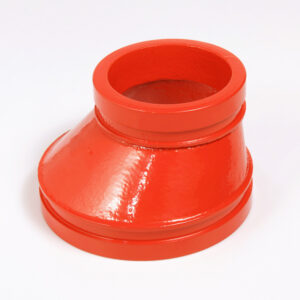
How Should You Select a Grooved Eccentric Reducer for HVAC and Fire Protection Pipe Transitions
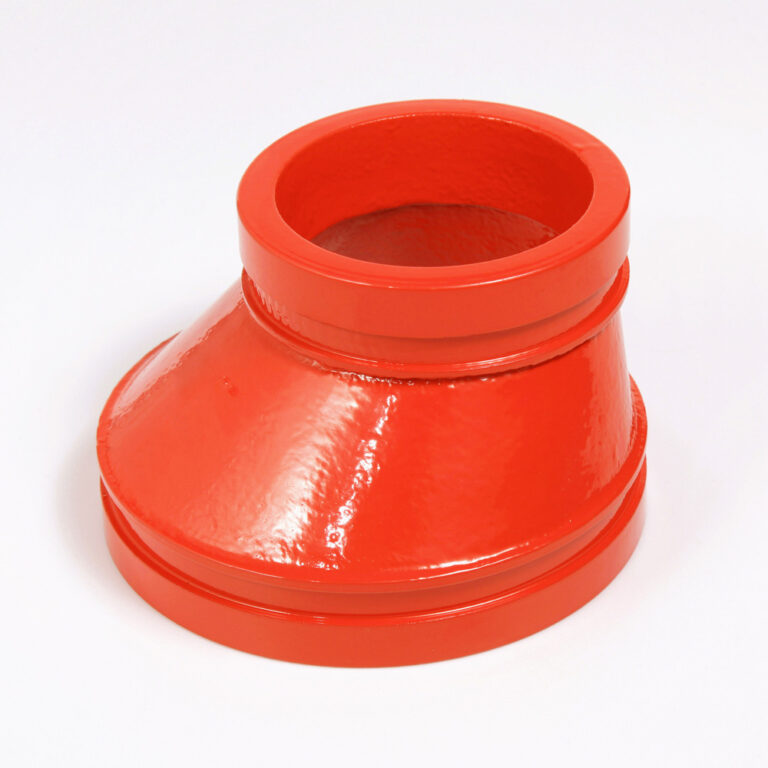
Select a grooved eccentric reducer for HVAC and fire protection by checking pipe sizes, orientation, groove fit, service limits, and support.


Select a grooved eccentric reducer for HVAC and fire protection by checking pipe sizes, orientation, groove fit, service limits, and support.
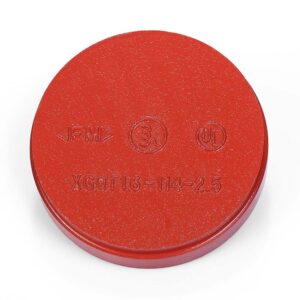
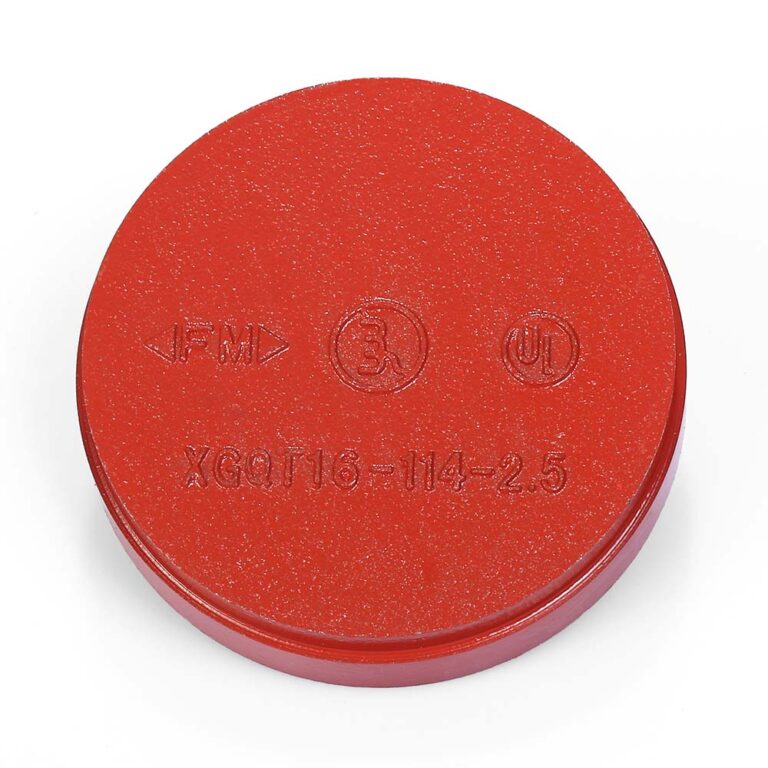
An unfinished branch is common in a phased fire protection, HVAC, or industrial piping project. The main may be ready for its first operating stage while another area is still being designed, funded, or built. A grooved end cap can close a prepared pipe end at the planned termination point, allowing the existing section to be completed without installing the future branch immediately. That convenience does not make the cap a casual temporary plug. Its pressure suitability, connection method, end-load restraint, and the safe procedure for later reopening all need to be designed and documented from the start. When Is a Grooved End Cap Appropriate for a Phased Project? The decision belongs in the approved piping plan. It works best when the future extension point is deliberate, accessible, and compatible with the first stage of operation. What Makes a Planned Extension Point Different From an Unfinished Pipe? A planned
The final quarter can turn a straightforward fire protection pipe fitting order into a schedule problem. A sprinkler contractor may have most of the main installed, yet still need elbows at a revised corridor, reducers beside a pump, or couplings for a late branch change. Ordering against the original bill of materials can leave the crew with too many standard fittings and too few of the items needed to finish. A Q4 closeout order should therefore be built from the remaining installation work, the latest approved drawings, and the date each area must be ready for testing—not from last month’s purchasing forecast. What Should Be Counted Before a Q4 Replenishment Order? The closeout quantity should reflect the work still open on site. A practical count compares the as-built route, incomplete spools, site stock, and the fittings already committed to another installation area. How Can the Remaining Work Be Turned
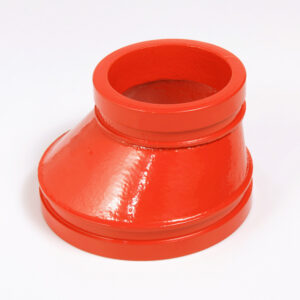
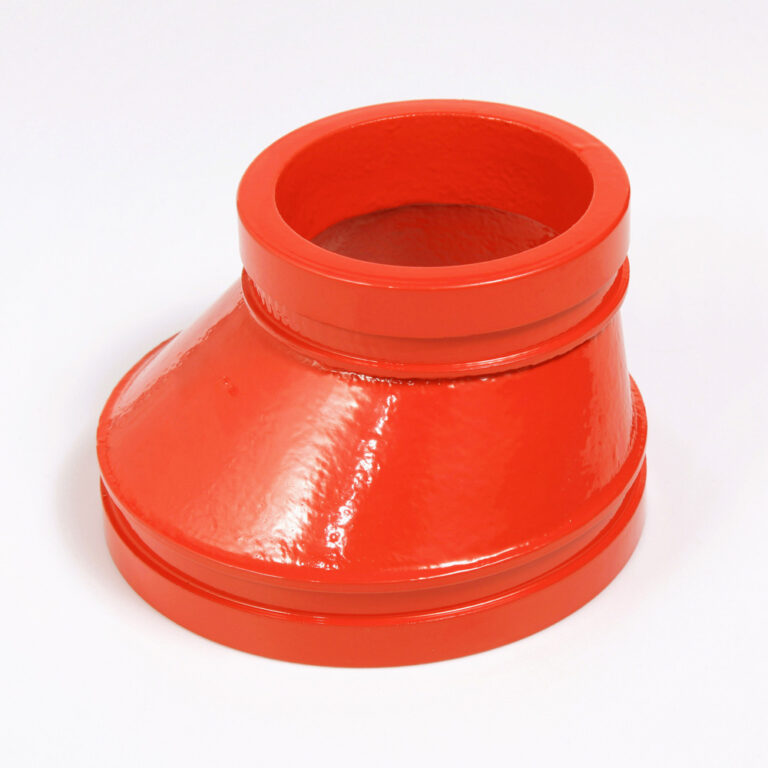
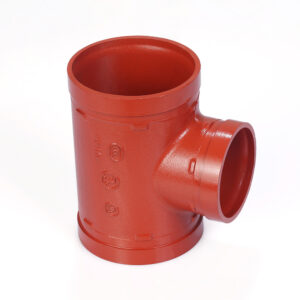
A horizontal piping run may need to change from a larger nominal diameter to a smaller one without shifting both sides of the line by the same amount. At a pump suction, a utility corridor, or a crowded mechanical room, that geometric detail can affect air pockets, drainage, supports, and access to adjoining equipment. A grooved eccentric reducer changes pipe size while keeping one side of the fitting relatively straight. Choosing the correct reducer therefore requires more than reading the two end sizes: the designer must establish the permitted orientation and check the complete connection arrangement. What Does an Eccentric Reducer Change in a Horizontal Pipe Run? An eccentric reducer joins different pipe diameters with offset centerlines. The flatter side can be oriented according to the specific hydraulic and layout requirement. How Is It Different From a Concentric Reducer? A concentric reducer tapers evenly around a common centerline. An
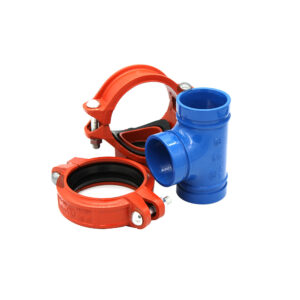
A grooved pipe joint assembled in a cold plant room or exposed construction area can look complete while the surrounding system is not ready for commissioning. Low site temperatures may complicate gasket handling, keep water from draining freely, and create a freeze risk after a hydrostatic test. Contractors working on fire protection, HVAC, or industrial water piping need a cold-weather plan that covers the entire test section rather than the coupling alone. The objective is to confirm that the specified components are suitable, complete the checks safely, and hand over a system that will remain protected when the crew leaves. Which Conditions Should Be Checked Before Assembly? Cold-weather commissioning begins with a review of actual site conditions, planned test procedures, and the components delivered for the job. Does a Fitting Temperature Range Approve the Whole System for Freezing Conditions? No. The published range for VICAST Flexible Grooved Coupling XGQT02
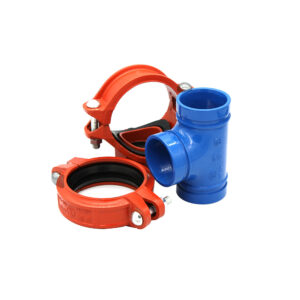
Grooved pipe fittings often leave the factory in great shape. However, they can still reach the job site with damage or missing parts. Sometimes, sizes get mixed up. Identification might also be hard to read. For contractors, distributors, QA/QC teams, and warehouse workers, the receiving inspection is a crucial step. It is their first chance to spot these flaws before the items go into project stock. A useful check must verify a few things. The delivery needs to match the purchase order. The fittings must be physically ready to use. Finally, workers must record any problems before they start installation. What Should Be Verified Before the Shipment Is Accepted? A proper receiving inspection begins with the paperwork. You should do this before opening any cartons or pallets. The main goal is simple. You need to link the physical delivery to your actual order. Do the Product Type, Size, and
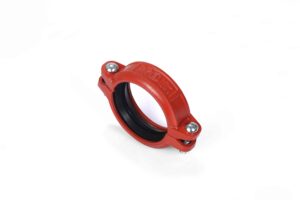
Suppliers often deliver grooved pipe fittings days or weeks before actual installation. During this waiting period, bad storage practices can easily turn a perfect shipment into a huge site problem. Moisture might attack the exposed metal. Rough stacking can chip the protective coatings. Furthermore, dirt can contaminate the gaskets. Mixed hardware also makes it hard to identify the right components. Proper storage offers a very simple way to protect product condition. It helps contractors, distributors, warehouse teams, and project managers avoid frustrating installation delays. Where Should Grooved Pipe Fittings Be Stored on Site? A good storage area must protect the fittings from harsh weather and standing water. It should also keep them away from construction dirt and heavy foot traffic. The primary goal is simple. You need to keep the products totally dry and easy to identify. They must also remain safe from any physical impact. Should Grooved Fittings Be
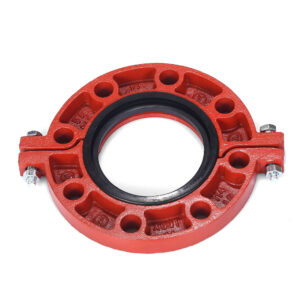
A PN16 marking on a grooved split flange is an important starting point, but it is not a complete purchasing specification. Buyers still need to confirm nominal size, pipe outside diameter, mating flange pattern, service conditions, gasket requirements, material, coating, documentation, and project approval. Treating PN16 as the only selection criterion can result in a flange that has the expected pressure designation but does not match the pipe, valve, pump, or regional flange standard used on the project. What Does PN16 Mean on a Grooved Split Flange? PN is a nominal pressure designation used in metric piping specifications. PN16 identifies a nominal pressure class of 16 bar under the conditions defined by the applicable product and flange standards. It should not be interpreted as a universal promise that every component marked PN16 can operate at exactly the same pressure under every temperature, medium, or installation condition. Is PN16 the
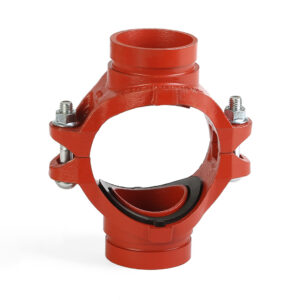
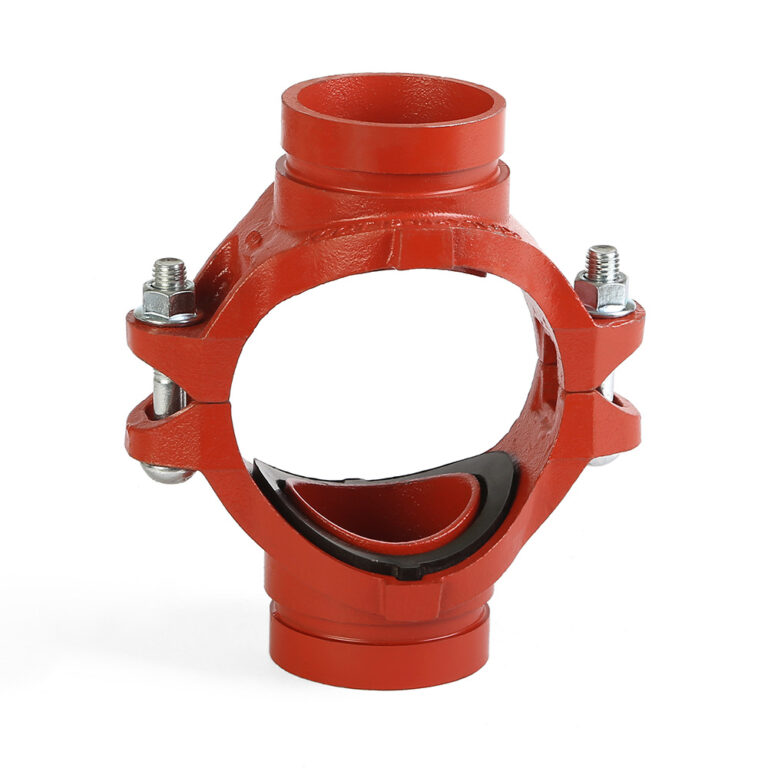
A mechanical cross forms two opposing branch outlets from one section of a run pipe. That compact arrangement can simplify a crowded fire protection or HVAC layout, but it places unusual importance on pipe opening preparation. The two openings must be positioned correctly, their edges must be suitable for sealing, and the housings must seat without forcing the branches out of alignment. Contractors should follow the instructions for the exact product and size rather than relying on a generic hole dimension or visual estimate. Why Is Opposite-Hole Alignment Critical for a Mechanical Cross? A mechanical cross must locate two outlet necks or sealing areas around opposite openings in the same run pipe. If the openings are not centered as required, one side may appear seated while the other side is displaced. This can interfere with gasket contact, housing fit, branch alignment, and the effective opening available to the flow

A request for a threaded mechanical tee should contain more than a nominal pipe size and quantity. The supplier must understand the run pipe, threaded branch, service conditions, project approval requirements, and installation environment before confirming the correct product. Missing information can lead to an unsuitable outlet, incorrect hole preparation, incompatible threads, or delays during submittal review. A clear inquiry helps buyers receive an accurate quotation and helps contractors avoid field substitutions. What Product Information Should Be Included in the Inquiry? Start by identifying the exact fitting type and describing how it will be used. “Pipe tee” is too broad because it can refer to a full-body tee, grooved mechanical tee, threaded mechanical tee, reducing tee, or another branch fitting. State that the project requires a threaded mechanical tee and identify the preferred model when known. Why Should Buyers Name the Exact Model? A model number connects the inquiry