
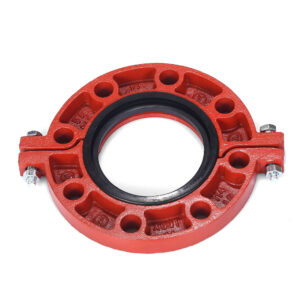
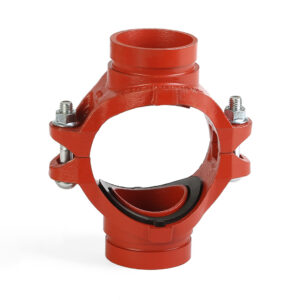


A PN16 marking on a grooved split flange is an important starting point, but it is not a complete purchasing specification. Buyers still need to confirm nominal size, pipe outside diameter, mating flange pattern, service conditions, gasket requirements, material, coating, documentation, and project approval. Treating PN16 as the only selection criterion can result in a flange that has the expected pressure designation but does not match the pipe, valve, pump, or regional flange standard used on the project.
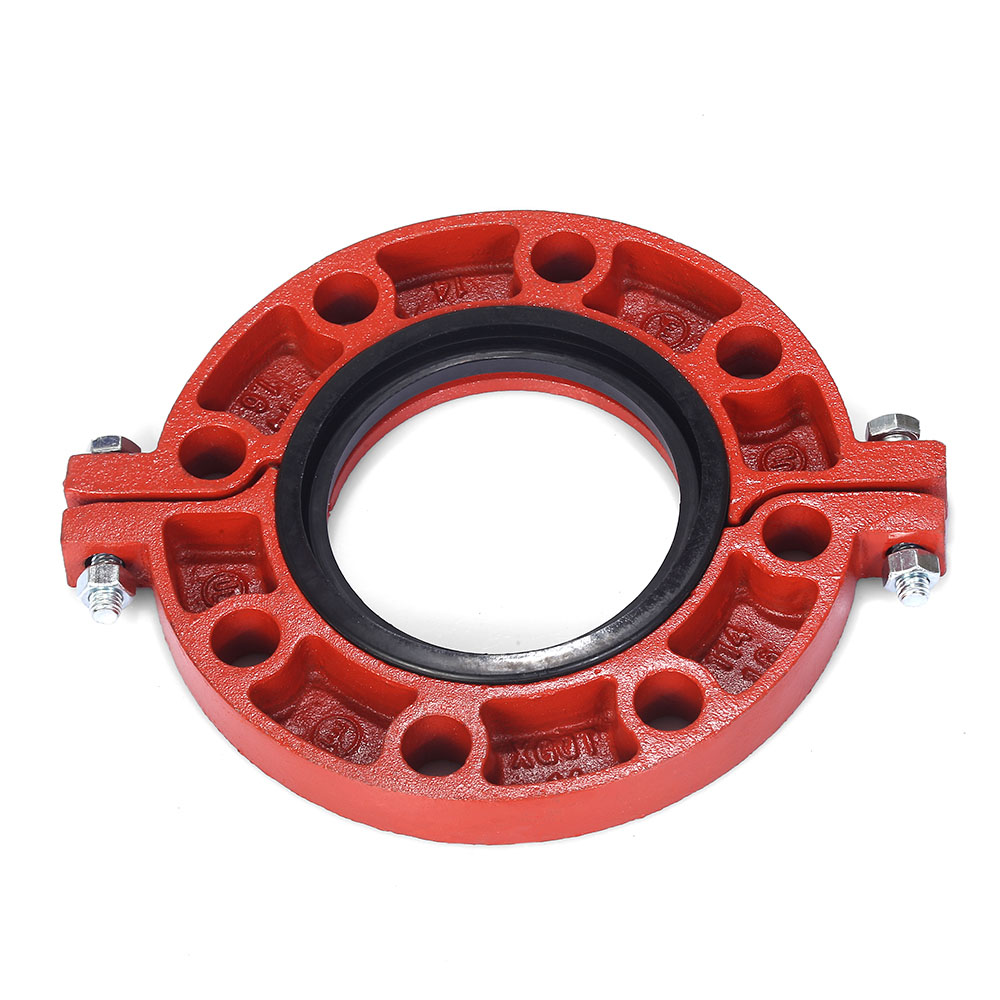
What Does PN16 Mean on a Grooved Split Flange?
PN is a nominal pressure designation used in metric piping specifications. PN16 identifies a nominal pressure class of 16 bar under the conditions defined by the applicable product and flange standards. It should not be interpreted as a universal promise that every component marked PN16 can operate at exactly the same pressure under every temperature, medium, or installation condition.
Is PN16 the Same as a Working-Pressure Guarantee?
Not by itself. The allowable working pressure of an assembled connection depends on the exact flange model, size, material, gasket, pipe, groove, mating component, temperature, and approval scope. Project test pressure is another separate value. Buyers should request current manufacturer data for the precise size and configuration rather than converting 16 bar into a blanket operating limit.
Why Should Temperature and Service Be Stated?
Pressure suitability can change with temperature and material behavior. The conveyed medium also affects gasket selection and coating requirements. An HVAC water loop, fire protection main, and industrial water line may share the same nominal flange class while requiring different supporting documents or elastomer choices. The inquiry should therefore state minimum and maximum temperature, medium, normal pressure, test pressure, and intended application.
What Does a Grooved Split Flange Connect?
A grooved split flange creates a transition between a grooved pipe end and a flanged valve, pump, meter, or other item of equipment. Its split construction allows the body segments to engage the prepared pipe groove while presenting a flange face and bolt pattern to the mating component.
Which Pipe Information Must Be Confirmed?
Provide the nominal pipe size, actual outside diameter, pipe material, wall specification, and groove profile required by the project. A nominal DN value does not always identify the outside diameter used in every market. The groove must also be dimensionally compatible with the selected product. Do not assume that a flange fitting can compensate for an incorrect pipe outside diameter or groove.
Which Mating-Flange Details Matter?
Confirm the mating flange standard, nominal size, pressure class, bolt-hole arrangement, face type, gasket arrangement, and equipment connection. PN16 does not automatically prove dimensional compatibility with a flange identified by an ASME Class, JIS designation, or another system. Similar pressure values do not guarantee the same drilling pattern or sealing geometry.
What Should Buyers Verify for the VICAST XGQT14?
The VICAST XGQT14 PN16 split flange is documented in sizes from 2 to 12 inches, or DN50 to DN300, with a stated temperature range of -20°F to +180°F (-29°C to +82°C). Its product information lists ASTM A536 Grade 65-45-12 and ASTM A395 Grade 65-45-15 and references ISO 6182, AWWA C606, and GB 5135.11. These details identify the product family; the exact size, mating pattern, gasket, pressure conditions, and approval requirements must still be confirmed for the order.
Which Documents Should Be Requested?
A technical submittal may require the current data sheet, dimensional drawing, flange drilling information, installation instructions, material information, gasket and coating details, pressure data, and applicable certificates. Ask the supplier to identify the model and size scope covered by each document. A certificate or standard reference should not be assumed to cover every variation unless its scope says so.
How Should the Product Be Described in an RFQ?
Use a complete description such as: XGQT14 grooved split flange, PN16, required DN and pipe outside diameter, mating flange standard, application, working and test pressures, temperature range, gasket and coating requirements, approval documents, quantity, packaging, and delivery destination. This format is far more reliable than requesting only a “PN16 pipe fitting flange.”
What Common PN16 Purchasing Mistakes Should Be Avoided?
The most common mistake is treating pressure designation as dimensional equivalence. Another is ordering by DN alone without checking actual pipe outside diameter. Buyers may also overlook flange face, gasket compatibility, bolt requirements, coating, or the exact certificates required by the project. These omissions often appear only during submittal review or installation, when corrections cost more.
Can a Higher Rating Be Substituted Automatically?
No. A higher pressure designation does not automatically make a component dimensionally interchangeable or approved for the same system. Any substitution should be checked against the mating flange, groove, gasket, equipment, project specification, and authority requirements. The complete connection—not one label—must be compatible.
Why Consider VICAST for PN16 Grooved Flanges?
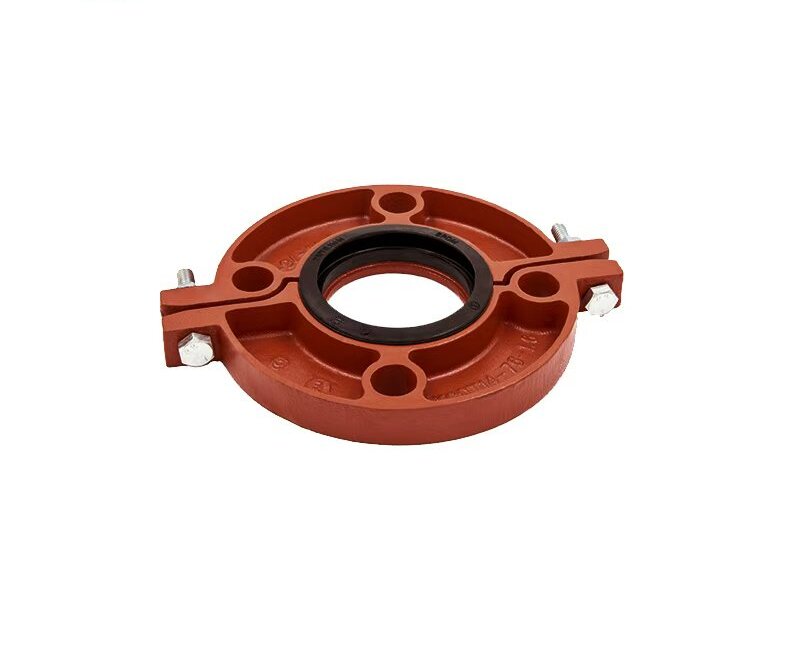
Hebei Jianzhi Foundry Group Co., Ltd. supplies grooved fittings under the VICAST brand. Its documented grooved flange product range includes the XGQT14 PN16 split flange as well as other flange options. Buyers can compare these products against their pipe, equipment, and project documentation instead of selecting from pressure terminology alone. VICAST also explains the structural distinction between a split flange and an adapter flange in its grooved flange comparison guide.
Conclusion
PN16 identifies a useful nominal pressure class, but it is only one part of a grooved split flange specification. A reliable order also defines the exact model and size, pipe outside diameter, groove, mating flange standard and face, medium, working and test pressure, temperature, gasket, coating, documents, quantity, and destination. Confirming these details before quotation reduces dimensional mismatches, approval delays, and field changes.
FAQs
The following questions summarize the key checks buyers should make when specifying a PN16 grooved split flange.
Does PN16 always mean the connection can operate at 16 bar?
No. Confirm the allowable working pressure for the exact model, size, temperature, medium, gasket, pipe, and mating assembly using current manufacturer data and project requirements.
Is PN16 interchangeable with ASME Class 150?
Not automatically. The systems use different designation methods, and pressure similarity does not prove that dimensions, bolt patterns, faces, materials, or pressure-temperature limits match.
What information is essential when ordering an XGQT14?
Provide DN and pipe outside diameter, mating flange standard, service and pressure conditions, temperature, gasket, coating, required documents, quantity, and delivery details in addition to the XGQT14 and PN16 designations.