
Sistemas de tuberías ranuradas rely heavily on precise pipe preparation. A coupling will only attach and seal properly when the pipe outside diameter, groove dimensions, gasket seating area, and overall pipe condition meet the system’s exact demands. Two very common ways to prepare pipes are roll grooving and cut grooving. Both techniques can produce pipe ends suitable for grooved couplings. However, they shape the groove in distinct ways. They are also not equally appropriate for every type of pipe material or wall thickness. For contractors and project buyers, the ideal method is simply the one that forms the required groove on the specific pipe in use.
What Is the Difference Between Roll Groove and Cut Groove?
The primary distinction lies in how the groove is actually made. Roll grooving shapes the pipe wall by applying pressure. On the other hand, cut grooving takes away a specific amount of material from the outer surface.
This fundamental difference impacts the pipe wall, the internal profile, the necessary tools, and the inspection steps.
How Does Roll Grooving Work?
During the roll grooving process, the pipe spins between grooving rolls. Pressure is applied to slowly shape the groove. The metal is pushed aside instead of being sliced away. This characteristic makes roll grooving a popular choice for steel pipe used in fire protection, HVAC, and various other mechanical setups.
This procedure might leave a small bump on the interior of the pipe. The size of this bump depends on the pipe itself, its wall thickness, the tool configuration, and the specific groove standard. Because of this, contractors must carefully check the completed groove. They should never just assume the equipment flawlessly makes the right shape every time.
How Does Cut Grooving Work?
Cut grooving employs a sharp cutting tool to carve the groove into the exterior surface. Since the pipe wall is not forced inward, the internal opening stays much more uniform around the grooved section.
However, cut grooving does remove solid material. The wall thickness that is left over must still satisfy the demands of the entire piping system. The specific pipe type, wall thickness, project guidelines, and coupling needs must all allow for this technique before anyone uses it.
Which Groove Method Is Better for Different Pipes?
There is no single best answer for every situation. The pipe material, outside diameter, wall thickness, surface coating, groove standard, and job site conditions all play a role in making the right choice.
VICAST grooved product manuals point to AWWA C606. Therefore, getting the correct groove shape and ensuring compatibility are crucial steps when getting a pipe ready for the coupling system.
When Is Roll Grooving Usually Preferred?
Roll grooving is frequently a smart choice when numerous steel pipe pieces need to be readied quickly. Mobile and workshop-based grooving machines also make it very handy for contractors handling fire protection and HVAC jobs.
Even so, bad tool adjustments, worn-out rolls, the wrong pipe diameter, or overly thick coatings can result in a bad groove. A speedy process is truly helpful only when the final measurements are spot on.
When Can Cut Grooving Be a Better Option?
Cut grooving can be a good fit for certain approved pipe types where cutting is the favored method. It works well where the wall thickness safely permits material removal. It might also be picked for some thicker-wall pipe jobs where roll forming is not the best way to prepare the ends.
Installers should never pick cut grooving just because it leaves a neat-looking groove. The strict requirements set by the pipe and coupling makers are always much more vital than simple visual appeal.
How Can Groove Preparation Affect Coupling Installation?
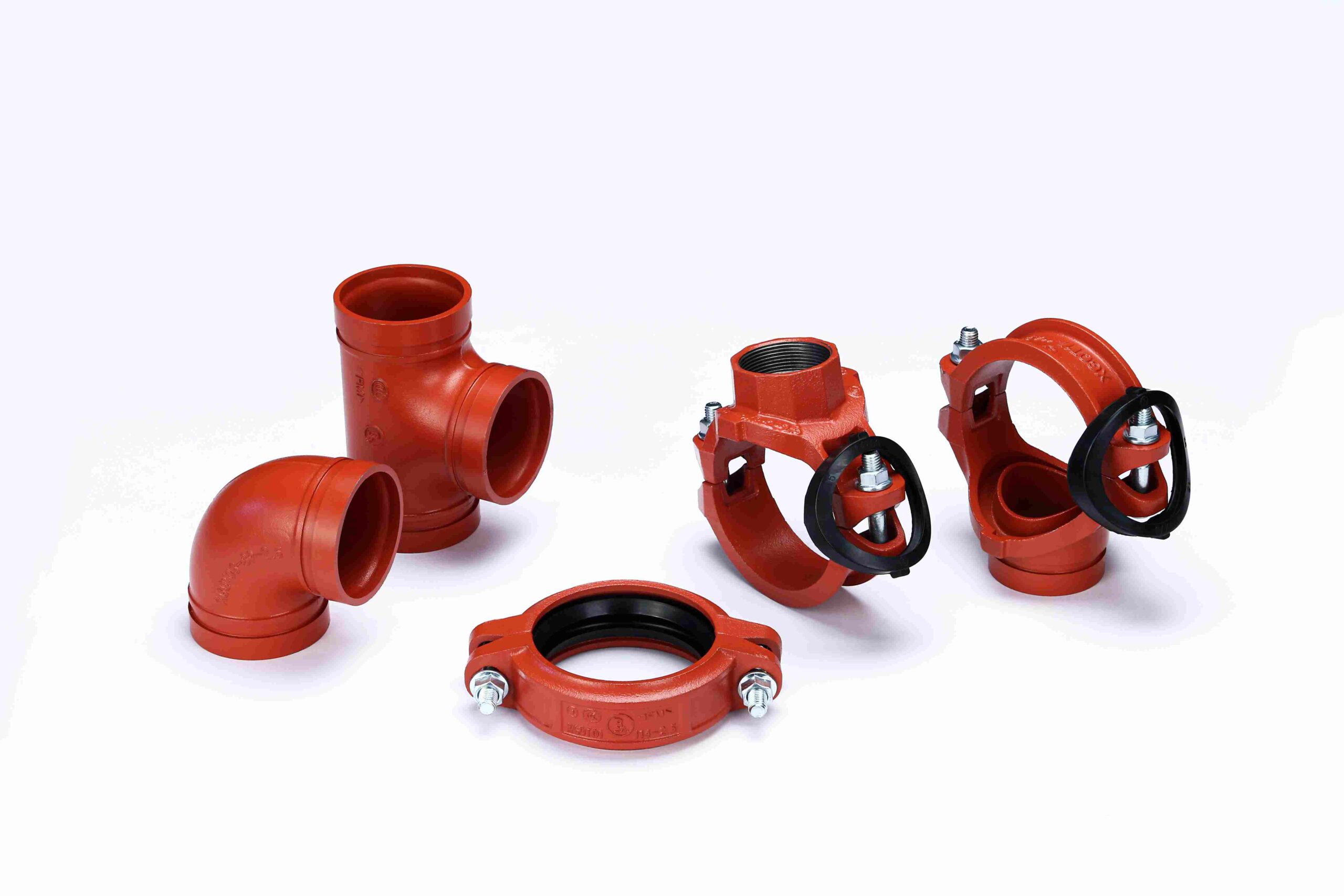
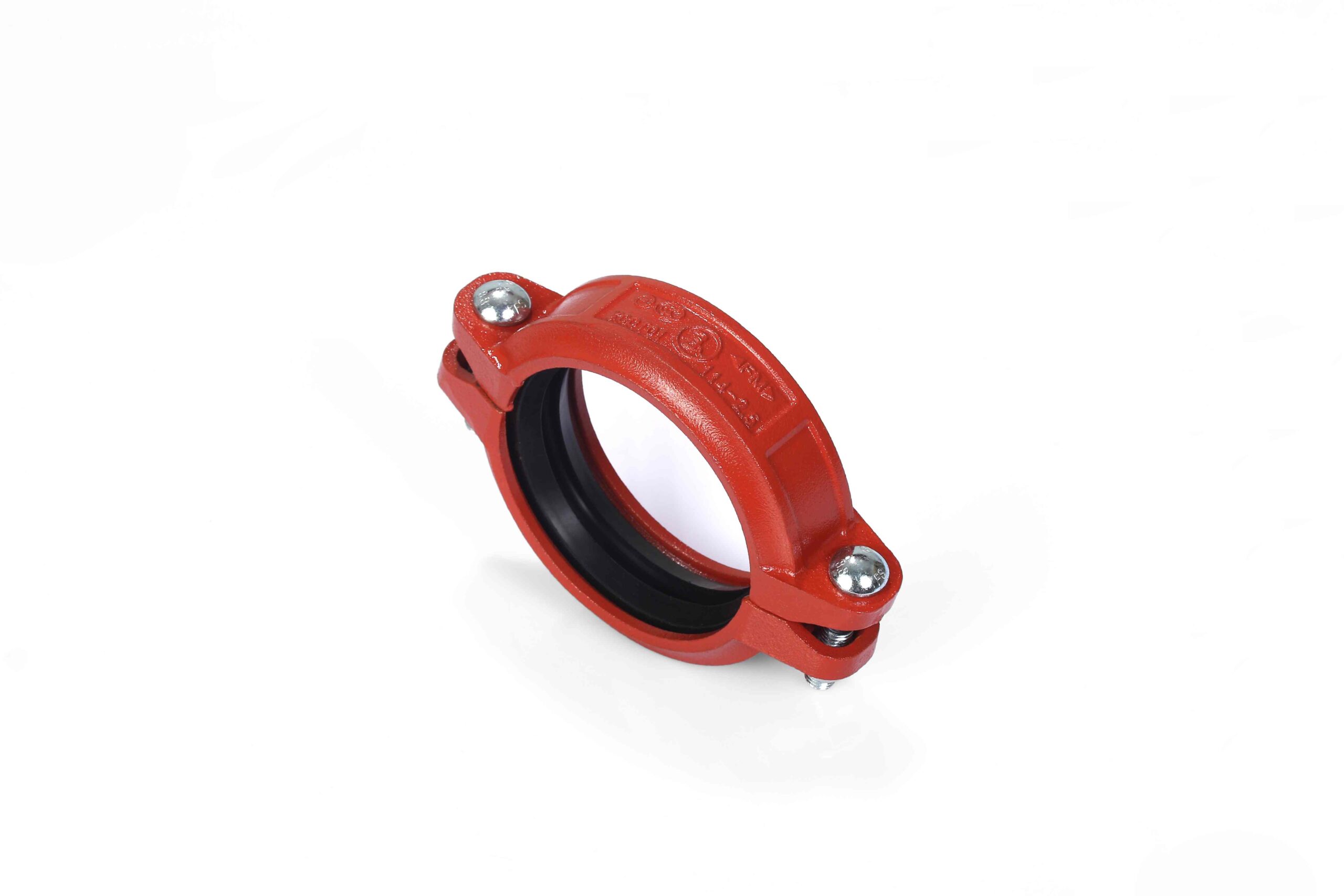
A grooved coupling works because its housing keys fit into both pipe grooves. At the same time, the gasket forms a tight seal around the pipe exterior. If the groove ends up too shallow, too deep, too wide, off-center, or outside the allowed diameter limits, the coupling might fail to close or seal properly.
These exact same installation troubles can happen with either preparation method if the finished groove is incorrect.
What Can Go Wrong With a Roll Groove?
A poorly shaped roll groove can stop the housing keys from locking in fully. Installers might also discover that the housing fails to close evenly.
Adding extra force to the bolts is never the right fix. Instead, the pipe end must be inspected. If needed, it should be prepared again to match the approved groove measurements.
What Can Go Wrong With a Cut Groove?
A cut groove might be carved too deeply or placed in the wrong spot. It could also be left covered in sharp burrs and loose metal chips. Cutting away too much metal can also thin the pipe wall more than desired.
Before putting things together, the groove and the nearby gasket seating area must be totally clean. They should be free from sharp edges, any damage, and loose dirt.
What Should Contractors Check After Grooving?
A thorough final inspection must be a core part of pipe preparation. It is never an optional extra. Contractors need to check the pipe outside diameter and the mandatory groove dimensions. After that, they should examine the sealing area closely for scratches, dirt, thick coating spots, burrs, and any rough patches.
Different pipe sizes or varying wall thicknesses will likely demand different tools and machine adjustments.
Why Is the Gasket Seating Area Important?
The gasket creates a seal directly against the pipe surface right next to the groove. A perfectly sized groove cannot make up for a damaged or dirty sealing zone.
Wiping down the pipe and inspecting the gasket contact area can stop unnecessary leaks during the final pressure tests.
Why Consider VICAST for Grooved Coupling Applications?
VICAST provides grooved fittings and couplings designed for fire protection, HVAC, and industrial piping setups. Its XGQT02 flexible grooved coupling comes in sizes ranging from 1 to 12 inches, or DN25 to DN300. It features a listed temperature range of -20°F to +180°F (-29°C to +82°C). The official product details reference ASTM A536 Grade 65-45-12, ASTM A395 Grade 65-45-15, ISO 6182, AWWA C606, and GB 5135.11.
For distributors and busy contractors, VICAST serves as a reliable grooved coupling provider. This is especially true when pipe preparation and fitting compatibility must align perfectly with clear product specifications.
Conclusión
Both roll groove and cut groove methods can successfully ready a pipe for grooved couplings. However, they achieve this goal in very different ways. Roll grooving shapes the pipe wall without taking away any metal. Conversely, cut grooving slices material right off the outer surface.
The ideal method relies on the specific pipe, its wall thickness, the groove rules, the available tools, and the project guidelines. Even more crucially, the completed groove must undergo a strict inspection before the coupling goes on. Accurate measurements, a pristine gasket seating area, and a solid housing fit are far more important than just picking a preparation method out of habit.
Preguntas frecuentes
Can Roll-Grooved Pipe Be Used With Any Grooved Coupling?
No. The pipe outside diameter and the groove dimensions must perfectly match the strict demands of the specific coupling system being used.
Is Cut Grooving Always Better for Thick-Wall Pipe?
No. It can be a good choice for certain approved thicker-wall jobs. However, the specific pipe and coupling rules must dictate the final preparation method.
What Is the Most Important Check After Grooving a Pipe?
You must verify the required dimensions. Also, inspect the gasket seating surface for any damage, burrs, dirt, or coating buildup before you start the assembly.