
Abstract
Overview of Performance Requirements for Fire-Rated Pipe Fittings
Fire-rated pipe fittings serve an essential function in both passive and active fire safety arrangements. They maintain the framework’s solidity and block leaks in pipe lines amid severe warmth and force from blazes. Regular plumbing parts fit everyday or mildly heated settings. However, these unique parts withstand straight fire, shining warmth, abrupt chilling by water jets, and constant internal force from substances such as water, foam, or gas. Construction workers frequently place them in self-starting sprinkler arrangements, fire hydrant pipes, flood systems, and standpipe risers in workplaces, plants, and residences.
Tough evaluations and endorsement procedures by entities like UL (Underwriters Laboratories), FM Approvals, and worldwide organizations including ISO (International Organization for Standardization), EN (European Norms), and NFPA (National Fire Protection Association) oversee the effectiveness of these parts. Those procedures examine elements such as substance structure, force maintenance during warmth strain, defense against fire, guard from corrosion, and enduring durability under ongoing application.
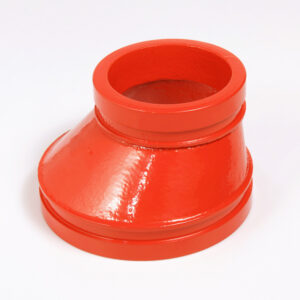
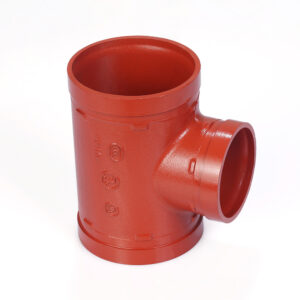
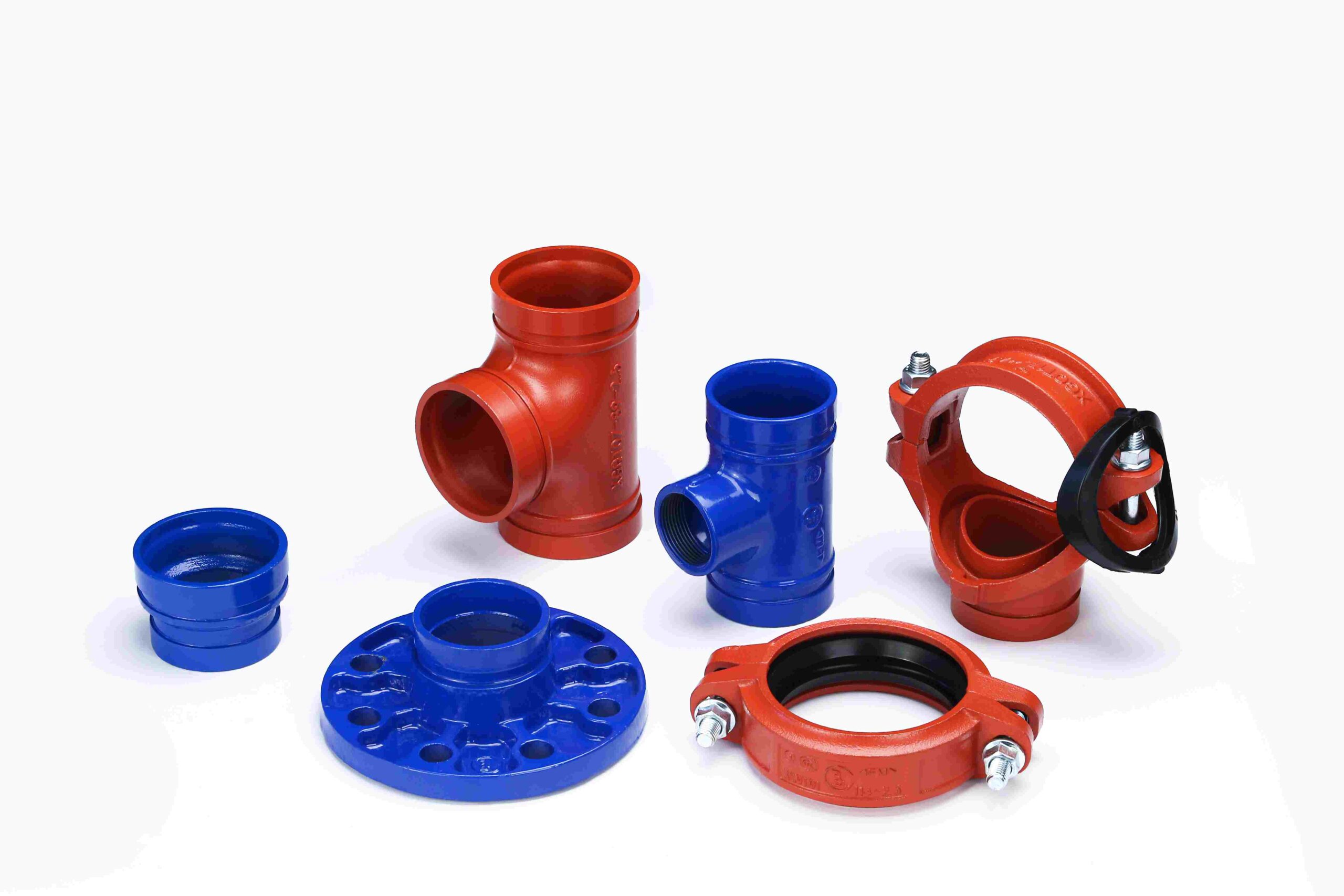
Take grooved mechanical fittings, for example, including rigid couplings, elbows, tees, and crosses. They see widespread application in fire safety. Such parts quicken setup and manage warmth swelling more effectively than bolted or fused links. Trade publications highlight: “Our Grooved Mechanical Cross provides a robust and efficient solution for connecting pipes in a variety of applications, including HVAC, fire protection, and industrial systems.” This remark underlines the priority on sturdy mechanics and dependable operation across periods, central to endorsement demands. In addition, galvanized pipe fittings like gi fittings often integrate into these systems for added corrosion resistance.
Key Takeaways
UL and FM endorsements act as reliable worldwide indicators for fire-rated pipe fittings in wet-pipe and dry-pipe sprinkler arrangements. Wet-pipe arrangements keep water pressurized continuously. Dry-pipe arrangements depend on compressed air or nitrogen, released upon sprinkler activation. Each variety presents distinct warmth and corrosion issues for the parts.
Directives such as ISO 7240 (fire detection and alarm systems), EN 10242 (threaded malleable cast iron fittings), and NFPA 13 (installation of sprinkler systems) establish precise evaluation conditions. They evaluate warmth tolerance, force preservation, and fire extension.
Firms targeting international markets must adapt their builds to multiple endorsement paths. This frequently involves merging UL, FM, CE marking (drawn from EN standards), and CCC (China Compulsory Certification). Those actions guarantee that parts function across diverse regions. Moreover, malleable iron threaded pipe fittings, including gi threaded pipe fittings, require such alignments for global use.
Monitoring substances, inspecting quality in manufacturing, and periodic reviews post-endorsement assist in upholding norms across the entire item duration.
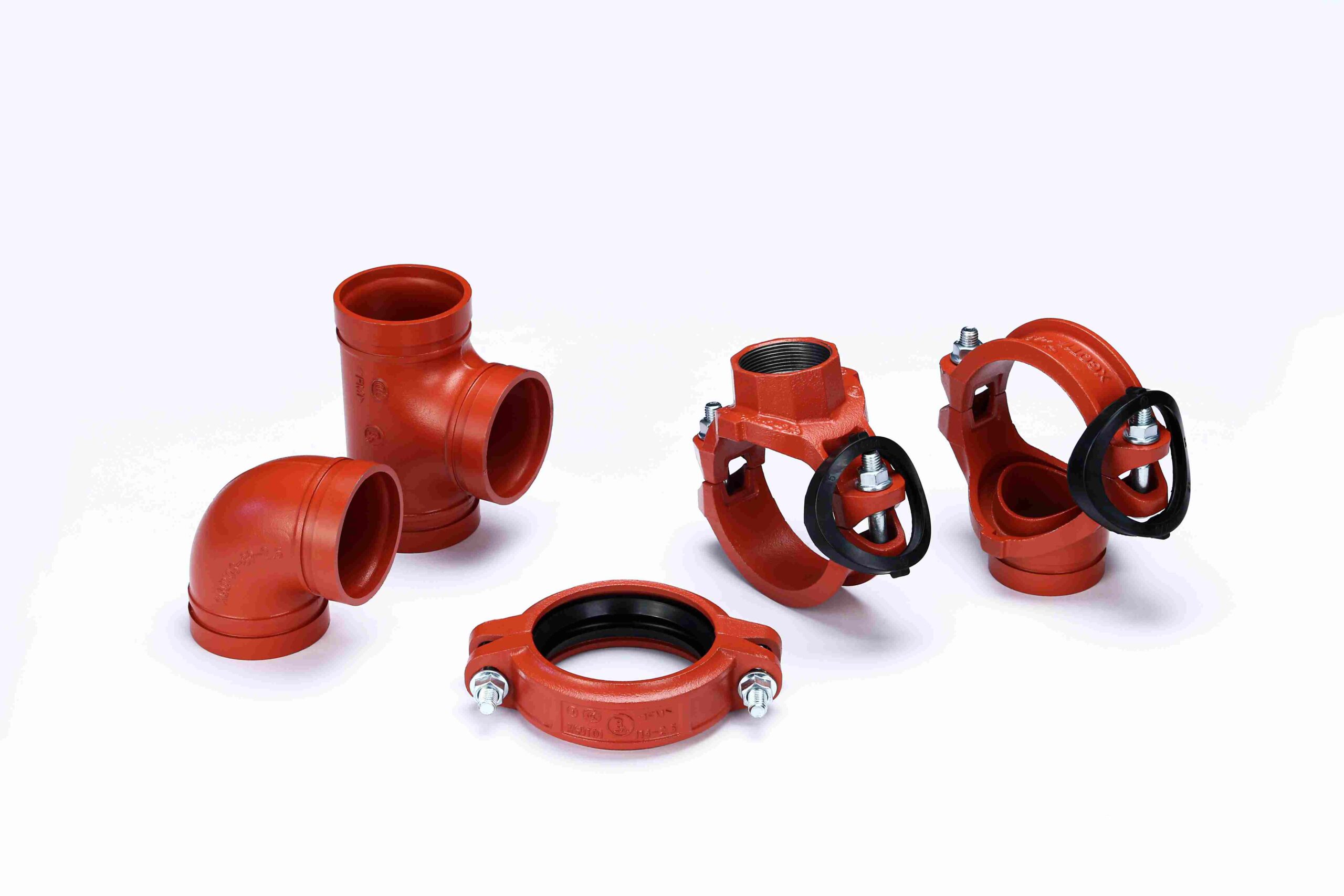
Tabla de Contenidos
- Material Science Foundations of Fire-Rated Pipe Fittings
- Mechanical and Thermal Performance Requirements
- UL Certification Framework for Fire-Rated Fittings
- FM Approval Process and Testing Criteria
- International Standards: EN, ISO, and NFPA Integration
- Comparative Analysis of Certification Pathways
- Quality Assurance and Manufacturing Controls
- Lifecycle Performance Considerations
- Common Challenges in Global Compliance
- FAQ: Fire-Rated Pipe Fitting Standards
Material Science Foundations of Fire-Rated Pipe Fittings
Metallurgical Considerations for Fire Resistance
The substance composition of fire-rated pipe fittings determines their capacity to retain power in elevated warmth, commonly reaching 1000°C (1832°F) in oil pool blazes or up to 1100°C in structure blazes. Typical selections encompass malleable iron, ductile iron (also called nodular cast iron), and carbon steel blends. These provide solid pulling force, warmth stability, and opposition to crumbling or oxidation in heated states.
Malleable iron (for example, ASTM A197/A197M) results from treating white cast iron with heat. This process transforms rigid components into flexible carbon clusters. The outcome yields good bendability and impact tolerance, even in temperatures below freezing. It preserves sufficient power up to 400°C. After that point, it gradually forfeits some capacity. Nevertheless, it remains stable for short blaze durations. Typical blaze evaluations span 1–2 hours.
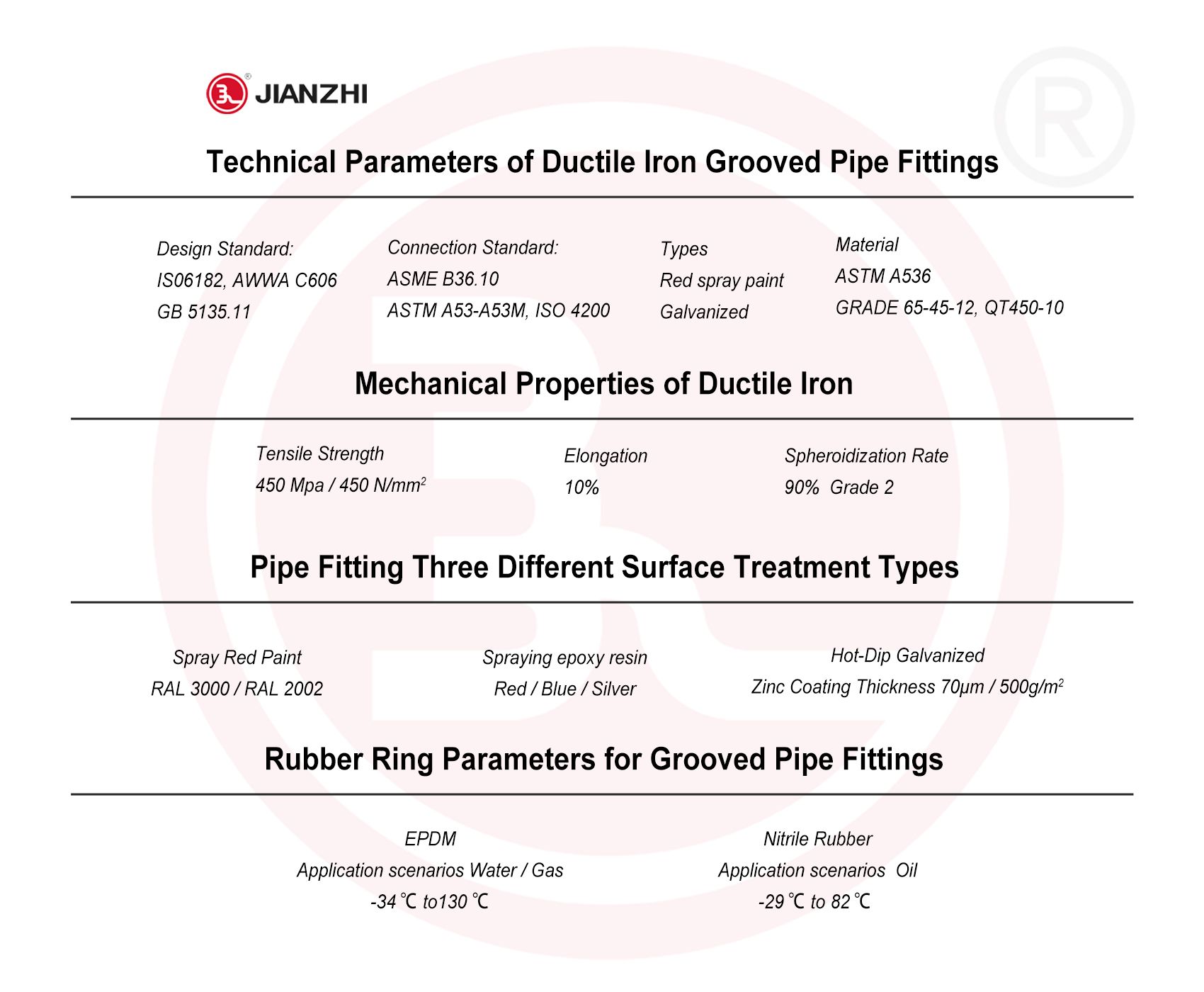
Ductile iron (grades ASTM A536 65-45-12 or ASTM A395 65-45-15) features spherical graphite clusters that prevent crack advancement. Its yield power achieves a minimum of 45 ksi. Stretch capability arrives at 12-15%. This surpasses gray iron for ongoing force applications. These parts manage more than 300 psi internally without abrupt fractures, even following numerous warmth variations.
Carbon steel (such as ASTM A105 for shaped variants) works well in high-force industrial blaze conduits. However, it demands surface treatments to prevent flaking and corrosion beyond 500°C.
An important feature for such parts is preserving compression at seal interfaces. As the part enlarges due to warmth, the seal (usually EPDM or silicone) needs to remain compressed. Therefore, evaluations examine metal deformation resistance under UL 213. A producer mentions: “Our elbow provides a robust and efficient solution for connecting pipes in a variety of applications, including HVAC, fire protection, and industrial systems.” This illustrates the reason alloys should satisfy mechanical standards and sustain seal performance during varying warmth. Galvanized pipe fittings, particularly gi fittings, enhance this resistance in moist environments.
Influence of Coatings on Thermal Protection
Surface treatments fulfill two roles: corrosion defense and warmth barrier or reflector. These parts install in humid locations, substance contact zones, or saline environments (for instance, ocean platforms or coastal structures). Lacking proper barriers, corrosion erodes wall depth and creates vulnerability points.
Zinc application (via hot immersion or electrodeposition) offers electrolytic defense and obstructs oxidization. Still, zinc liquefies around 419°C. During blazes, fluid zinc could drain and expose the core material. Thus, for dry-pipe applications, zinc-coated variants might require supplementary layers or alternatives like epoxy.
Epoxy treatments (like fusion-bonded epoxy, FBE) deposit as fine particles and harden into a resilient covering. They need to adhere firmly during straight blaze exposure according to UL 1709 (fast warmth escalation evaluation). Epoxy further minimizes flow resistance and withstands various substances.
Swelling paints occasionally apply to pipe exteriors to delay core material warming. They inflate under heat, creating a charred barrier that insulates the part.
“Engineered for durability and ease of installation, this coupling ensures a leak-proof, secure fit that withstands high-pressure and temperature conditions.” Treatments protect from corrosion. They further assist in maintaining exterior condition over extended warmth contact. Evaluations for treatments include bond tests, salt fog according to ASTM B117, and warmth variations.
Material Traceability and Certification
Substance tracking stands as an essential element for UL and FM endorsements. Each production run requires a mill test report (MTR) verifying chemical blend and physical properties. For molded variants, producers oversee smelting, agent addition, and thermal processes. Defective substances may halt endorsement immediately.
Reference (Section 1)
ASTM A536-84(2019) Standard Specification for Ductile Iron Castings.
UL 213 (2021) Standard for Rubber Gasketed Fittings for Fire-Protection Service.
ISO 9001:2015 Quality management systems – Requirements.
Notes on Reference (Section 1)
ASTM A536 specifies grades based on tensile strength, yield strength, and elongation; 65-45-12 indicates 65 ksi tensile, 45 ksi yield, 12% elongation.
UL 213 includes metallurgical evaluation as part of the construction review.
ISO 9001 does not prescribe specific materials but requires traceability procedures.
Mechanical and Thermal Performance Requirements
Pressure Retention Under Elevated Temperatures
Fire-rated pipe fittings need to preserve force integrity during intense warmth exceeding 1000°C. Simultaneously, they encounter internal forces up to 175 psi (1.2 MPa) or greater, depending on arrangement designs. Standard wet-pipe sprinkler arrangements operate at 175 psi. High structures may call for components rated at 300 psi.
Evaluations imitate post-blaze scenarios where remaining force endures without drips or ruptures. For instance, following a fire, the arrangement might continue providing water to lingering warm zones. Thus, hydraulic evaluations per ASTM E814 (firestop arrangements) or UL 1479 (penetration firestops) assess form retention after intense warmth followed by rapid cooling. This factor proves crucial for operational security.
Evaluation sequences generally involve securing the part in a level or vertical position inside a heating chamber. Next, apply internal water force at normal warmth (e.g., 175 psi). Then, elevate chamber warmth following a standard time-warmth profile (e.g., ASTM E119 or ISO 834). Sustain the blaze contact for a designated period (30 minutes, 1 hour, or 2 hours). Upon blaze cessation, promptly introduce a cooling water jet (thermal jolt) while sustaining internal force. Observe for any drips, distortions, or failures.
Successful parts must further indicate that seal substances degraded only within limits. EPDM seals, for example, commence degradation above 150°C. Yet, the metal volume and internal water chilling typically safeguard them.
Flame Spread and Smoke Development Criteria
Blaze extension ratings measure how rapidly a part’s exterior promotes combustion advance within pipe assemblies. While metal parts prove non-flammable, natural treatments, greases, or labels may ignite. Surface evenness and wall depth significantly influence outcomes. Uneven exteriors or narrow walls could capture flammable residue or hasten blaze extension if treatments ignite.
Adherence to ASTM E84 (method for surface combustion traits of structure materials) or EN 13501-1 (combustion classification of structure products) limits smoke generation to safe bounds. This reduces hazard risks during occupant withdrawal. For fire-rated pipe fittings, the usual blaze extension index (FSI) must stay ≤25, and smoke generation index (SDI) ≤50, akin to other non-flammable elements.
However, since metallic parts typically embed within walls or ceilings, their role in chamber blaze expansion remains minimal. Nonetheless, endorsement entities demand records confirming that any used treatment or marking substance satisfies low ignition norms. Malleable iron threaded pipe fittings, such as gi threaded pipe fittings, benefit from these criteria in assembly evaluations.
Thermal Cycling and Fatigue Resistance
Past isolated blaze contact, fire-rated parts may undergo multiple warmth cycles during arrangement verifications or incomplete activations. In dry-pipe arrangements, the part experiences shifts from air compression to water influx post-sprinkler engagement. Warmth enlargement disparities among the part, conduit, and seal may cause joint relaxation gradually.
UL 213 force cycle evaluations require 5,000 repetitions from ambient to peak rated force at 10–30 cycles per minute, absent any drips. This replicates 10–20 years of standard operation. Warmth cycle evaluations (e.g., -20°C to +80°C) verify absence of permanent distortions.
Reference (Section 2)
ASTM E119-20 Standard Test Methods for Fire Tests of Building Construction and Materials.
ISO 834-1:1999 Fire-resistance tests – Elements of building construction – Part 1: General requirements.
UL 852 (2018) Standard for Metallic Pipe Fittings for Fire-Protection Service.
Notes on Reference (Section 2)
ASTM E119 uses a time-temperature curve reaching 925°C at 1 hour, 1010°C at 2 hours.
ISO 834 uses a similar curve but with slightly different coefficients.
UL 852 specifically addresses underground fittings, including cyclic pressure and corrosion tests.
UL Certification Framework for Fire-Rated Fittings
Overview of UL Testing Protocols (UL 213 & UL 852)
UL guidelines deliver thorough instructions for assessing security in metallic conduit components for blaze suppression arrangements. Two principal guidelines pertain. UL 213 addresses Rubber Gasketed Fittings for Fire-Protection Service. This guideline encompasses grooved-end variants, such as couplings, elbows, tees, crosses, and connectors. It encompasses demands for hydraulic burst capacity (minimum 4× rated force for 60 seconds without failure). Additionally, hydraulic drip (1.5× rated force for 1 hour, no seepage). Endurance tolerance (5,000 force cycles). Seal efficiency (compression retention, substance tolerance, maturation). Size precision (groove depth, breadth, inclination). Corrosion tolerance (salt mist per ASTM B117 for 200 hours).
UL 852 pertains to Metallic Pipe Fittings for Fire-Protection Service. This guideline applies to bolted, flanged, and joined variants in blaze service mains, encompassing subsurface conduits. It incorporates comparable hydraulic and corrosion evaluations but also evaluates mechanical extraction tolerance for secured connections.
These guidelines confirm that products like “Our Adaptor Flange provides a robust and efficient solution for connecting pipes in a variety of applications, including HVAC, fire protection, and industrial systems” achieve rigorous security thresholds prior to market entry. Gi fittings, as a type of galvanized pipe fitting, often undergo these protocols for enhanced reliability.
Key Stages in the UL Certification Process
Application Review and Product Submission
Producers submit a comprehensive application bundle. It includes substance analysis documents (chemical structure, pulling capacity, rigidity). Furthermore, detailed technical illustrations with margins. Assembly methods and placement directions. Seal descriptions (substance, firmness, warmth scope). Treatment formula and deposition technique. Production location and quality handbook.
UL examines the documents for completeness. It identifies potential standard deviations. An initial build examination might uncover possible weak areas.
Laboratory Evaluation Phase
Specimens select randomly from output or initial batches. Laboratory assessments include hydraulic burst: Escalate force until breakdown; minimum demand is 4× rated force, though usual parts surpass 5×. Cycle force: 5,000 repetitions at 0–rated force, pace of 20 cycles per minute, succeeded by hydraulic drip evaluation. Seal compression retention: Compress seals at increased warmth (e.g., 70°C for 22 hours) and gauge enduring distortion. Warmth maturation: Parts stored at 70°C for 7 days, followed by drip re-evaluation. Salt mist: 200 hours in 5% NaCl vapor at 35°C; assess for reddish corrosion on exposed regions.
The complete assessment could extend 4–8 weeks, contingent on item intricacy.
Factory Audit & Ongoing Compliance Monitoring
UL-endorsed facilities undergo routine examinations to validate consistent production through arbitrary sampling. Dimensional verifications ensure alignment with sanctioned build details.
Factory Audit & Ongoing Compliance Monitoring
Upon laboratory success, UL performs an initial facility examination (IFI) to affirm that production operations can reliably generate parts akin to evaluated specimens. The examination addresses molding operation oversight (smelting, agent inclusion, casting, thermal treatment). Processing and grooving accuracy. Treatment deposition and hardening. Ongoing inspection documentation. Calibration of evaluation apparatus.
Following endorsement, UL conducts subsequent examinations (generally quarterly or biannually) at the facility. Examiners choose arbitrary specimens from inventory or production lines and forward them to UL laboratories for re-assessment. Any shortcoming could result in endorsement pause or revocation.
UL Mark and Its Global Recognition
The UL Mark (either the traditional UL circle or the advanced UL Mark for Canada and the US) earns acceptance from regulatory authorities in North America and numerous other areas. For fire-rated pipe fittings, the UL Mark signifies conformity with NFPA 13 demands for sanctioned components.
Reference (Section 3)
UL 213 (2021) Rubber Gasketed Fittings for Fire-Protection Service.
UL 852 (2018) Metallic Pipe Fittings for Fire-Protection Service.
UL’s Follow-Up Service Procedure (Type L or R).
Notes on Reference (Section 3)
UL 213 is harmonized with ANSI/UL 213, and also recognized in Canada under ULC S103.
The frequency of follow-up inspections depends on the product category and factory performance history.
UL also offers a “Certified for Canada” mark based on Canadian standards.
FM Approval Process and Testing Criteria
FM Class Number System Overview (FM 1630 Series)
FM Approvals, affiliated with FM Global, excels in endorsements for blaze equipment. Distinct from UL’s emphasis on life and asset security, FM prioritizes asset damage avoidance and insurability. Their Class Number framework classifies products by purpose. Class 1630 pertains to Grooved Couplings and Fittings for Fire Protection Service. Class 1635 concerns Threaded Fittings for Fire Protection Service. Class 1640 relates to Flanged Fittings. Class 1680 involves Valves for Fire Protection.
FM further releases Endorsement Standards, such as FM 1630 (Endorsement Standard for Grooved Couplings and Fittings). These standards frequently impose stricter demands than UL, particularly in warmth jolt and blaze endurance.
Performance Testing Under FM Standards
Hydrostatic Strength Testing
FM mandates that parts endure force exceeding their designated operational bounds. Typically, at minimum 2× rated force (contrasted with UL’s 1.5× for drip evaluation) for one hour without distortion or seepage. For burst capacity, FM stipulates 4× rated force for grooved couplings. Yet, the evaluation occurs at heightened warmth (e.g., 200°F / 93°C) to replicate heated water or blaze scenarios.
Consider a part rated at 175 psi. It must withstand 350 psi hydraulic force for 1 hour without seepage. Burst occurs at 700 psi or above.
Fire Endurance Evaluation
The FM blaze endurance evaluation surpasses UL’s in severity. It commences with assembling an evaluation conduit segment incorporating the part and attached pipes. Pressurize the setup to rated force using water. Subject the part to a propane torch blaze (warmth output of about 50 kW/m²) for 30 minutes, attaining exterior warmth over 800°C. Subsequently, rapidly cool the assembly with chilled water (warmth jolt) while preserving force. Examine for fissures, seepage, or connection detachment.
A notably difficult element is the cooling phase. It generates warmth strains capable of initiating crack growth at connection points. This proves especially challenging for bolted connections where material exhaustion might arise. Grooved variants frequently outperform due to the seal absorbing certain expansion variances.
FM additionally requires force maintenance throughout the complete blaze contact, without supplementary water application (except during cooling). This scenario emulates a blaze wherein the sprinkler setup activates, yet the conduit encounters flames from an adjacent fuel origin.
Vibration and Seismic Testing
FM 1630 incorporates vibration assessments (10–55 Hz at 0.5 mm displacement) to simulate transit and structure motion. Furthermore, seismic platform assessments apply to parts in tremor-vulnerable zones.
FM Approval Process Steps
The FM endorsement procedure resembles UL’s yet exhibits certain variances. Application: Provide illustrations, substance details, and quality handbook. Evaluation: FM might observe assessments at external laboratories or execute them at FM’s Rhode Island facility. Initial Facility Examination: FM inspectors scrutinize production oversight and quality evaluation. Quarterly Monitoring: FM usually demands unannounced examinations quarterly, unlike UL’s semiannual or annual schedule. This elevates requirements for producers.
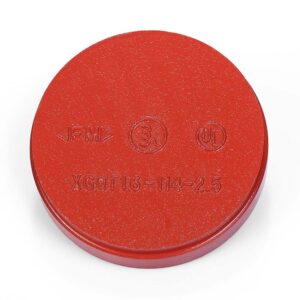
Endorsed products display the FM Endorsed emblem (diamond containing “FM”). This emblem receives broad acknowledgment from insurers and regulators, notably for industrial and commercial properties.
Reference (Section 4)
FM Approvals Standard 1630 (2020) Grooved Couplings and Fittings for Fire Protection Service.
FM Approvals Standard 1635 (2018) Threaded Fittings for Fire Protection Service.
FM Global Property Loss Prevention Data Sheets 2-0 (Installation of Sprinkler Systems).
Notes on Reference (Section 4)
FM 1630 requires a minimum burst pressure of 4× rated pressure at ambient temperature, and 3× at 200°F.
The quarterly audit frequency is unique to FM; UL uses a “category code” system that may require less frequent visits.
FM also recognizes ISO 9001 as a baseline but imposes additional manufacturing controls.
International Standards: EN, ISO, and NFPA Integration
European Norms (EN) Governing Fire-Rated Pipe Systems
EN guidelines synchronize performance benchmarks across European Union nations and frequently mandate CE marking for structure products under the Construction Products Regulation (CPR) 305/2011. Primary guidelines encompass EN 10242 – Threaded Malleable Cast Iron Fittings. This guideline defines physical properties (pulling force ≥ 350 MPa, stretch ≥ 10%), force ratings (PN16, PN25, PN40), and size tolerances for variants up to DN150. For blaze safety uses, parts must achieve reaction-to-blaze rating per EN 13501-1 (Class A1 or A2 for non-flammability).
EN 12259 – Fixed firefighting systems – Components for sprinkler and water spray systems: Part 1 addresses sprinklers, but Part 4 (conduit parts) specifies flow factor verification (K-factor) evaluations ensuring foreseeable hydraulic conduct during engagement. Parts with interior protrusions or coarse interiors may diminish flow. Hence, EN 12259 mandates that force reduction across a part not exceed a specified threshold. Gi threaded pipe fittings commonly align with these for European installations.
EN 1057 – Copper and copper alloys – Seamless round copper tubes for water and gas in sanitary and heating applications – occasionally referenced for blaze systems but encounters limited adoption.
European producers typically combine EN 10242 with EN 12259-4 and CE marking. Moreover, country-specific supplements (e.g., German VdS directives, British LPCB benchmarks) could introduce further evaluations.
ISO Framework Alignment with Global Practices
ISO guidelines establish a groundwork for quality oversight and product assessment adaptable to various endorsement frameworks. ISO 9001:2015 – Quality management systems: Endorsement to ISO 9001 serves as a prerequisite for numerous UL, FM, and CE approvals. It demonstrates that the producer maintains recorded procedures for build, production, inspection, and remedial measures. Nevertheless, ISO 9001 solely endorses the operational framework; it does not validate product security.
ISO/TS 29001 – Petroleum, petrochemical and natural gas industries – Sector-specific quality management systems: Though directed at oil and gas, this specification broadens ISO 9001 tenets to high-integrity conduit systems where dependability in harsh operational settings proves vital. It pertains to industrial blaze suppression conduits in refineries and chemical facilities.
ISO 7240 – Fire detection and alarm systems: Part 10 of this guideline covers flame sensors, but Part 28 (blaze safety equipment) relates less directly to parts. Nonetheless, ISO 7240-28 (non-resettable line-type warmth sensors) might incorporate conduit-attached detectors.
ISO 834 – Fire-resistance tests: Elements of building construction – commonly employed for heating chamber assessments of conduit penetrations, though not exclusively for parts.
ISO endorsement bolsters tracking throughout production networks. For instance, an ISO 9001-endorsed smelter must retain documentation of smelter chemistry, casting warmth, and thermal treatment sequences for no less than 10 years.
NFPA Code References Relevant to Pipe Fittings
The National Fire Protection Association (NFPA) distributes codes adopted as legislation in most U.S. regions and cited internationally. The most pertinent is NFPA 13 – Standard for the Installation of Sprinkler Systems (present edition 2022).
NFPA 13 stipulates that every conduit part installed in automatic sprinkler arrangements must be “listed” by an acknowledged evaluation entity like UL, FM Approvals, or alternative sanctioned laboratories (e.g., ICC-ES, VdS). Particular segments include Section 6.3.6 – Parts for steel conduit: “Parts shall be of the types and materials listed in Table 6.3.6.1. Malleable iron parts shall conform to ASTM A197/A197M or EN 10242.” Section 6.3.7 – Grooved parts: “Grooved couplings and parts shall be listed for fire protection service and shall be installed in accordance with the manufacturer’s instructions.” Section 7.4 – Hanger and support spacing: Though not a part demand, the mass and warmth enlargement of parts influence support planning. Galvanized pipe fittings, including gi fittings, must meet these for compliance.
NFPA 13 further requires parts in dry-pipe arrangements (prone to freezing) rated for reduced warmth service, usually -20°F (-29°C). Seals must retain pliability.
Reference (Section 5)
EN 10242:1994/A2:2003 Threaded pipe fittings in malleable cast iron.
EN 12259-4:2000 Fixed firefighting systems – Components for sprinkler and water spray systems – Part 4: Pipe fittings.
ISO 9001:2015 Quality management systems – Requirements.
NFPA 13 (2022) Standard for the Installation of Sprinkler Systems.
ASTM A197/A197M-18 Standard Specification for Malleable Iron Castings.
Notes on Reference (Section 5)
EN 10242 is currently being revised to align with ISO 49 (threaded fittings).
NFPA 13 references both UL and FM as acceptable listing agencies but does not give preference.
ISO 9001 certification is not mandatory for NFPA compliance, but most AHJs accept it as evidence of quality control.
Comparative Analysis of Certification Pathways
Selecting UL, FM, or international endorsements depends on target markets, product category, and client specifications. The subsequent table outlines primary technical variances.
| Parameter | UL Standard (UL 213) | FM Standard (FM 1630) | Typical Test Focus |
| Hydrostatic leakage test | Rated × 1.5 for 1 hour | Rated × 2 for 1 hour | Sealing integrity under pressure |
| Hydrostatic burst test | Rated × 4 (ambient) for 60 sec | Rated × 4 (ambient) and ×3 at 200°F | Ultimate strength margin |
| Fire endurance | Flame exposure per UL 1709 (rapid rise) or UL 213 | Direct flame + immediate water quench | Crack propagation and joint retention after thermal shock |
| Cyclic pressure | 5,000 cycles | 5,000 cycles (similar) | Fatigue resistance |
| Corrosion test (salt spray) | 200 hours, ASTM B117 | 200 hours, ASTM B117 (but more stringent acceptance criteria) | Coating durability and base metal protection |
| Quality surveillance | Annual or semi-annual audit (varies by category) | Quarterly unannounced audit | Consistency of production |
| Gasket requirements | Compression set, oil resistance, aging | Same plus additional fire exposure with energized gasket | Sealing under extreme conditions |
| Vibration test | Not typically required for stationary fittings | Required (10–55 Hz, 0.5 mm amplitude) | Resistance to transportation and building vibration |
| Marking | UL Mark (circle) or Enhanced UL Mark | FM Approved diamond | Global recognition in insurance and fire safety |
Mutual Recognition and Dual Certification
Harmonization initiatives between UL and FM foster mutual acknowledgment efforts. Yet, direct mutual acceptance remains constrained. A product endorsed by UL does not inherently satisfy FM, nor vice versa. Producers can attain dual endorsement by evaluating against the more demanding standard. Subsequently, they present identical information to both entities with suitable exemptions. For example, succeeding in FM’s 2× force drip evaluation fulfills UL’s 1.5× demand.
Numerous worldwide producers, including Hebei Jianzhi Foundry Group Co., Ltd., which functions under GB/T national norms alongside international measures (UL/FM/EN), optimize endorsement operations. They sustain a “central” build that conforms to the uppermost common demands. This method diminishes inventory issues while assuring comparable security levels globally. Malleable iron threaded pipe fittings from such producers exemplify this approach.
Cost and Time Comparison
UL endorsement generally expenses $15,000–$30,000 per product category, plus annual charges ($3,000–$8,000). Duration to endorsement: 3–6 months.
FM endorsement incurs elevated initial expense ($25,000–$50,000) owing to broader blaze evaluations and quarterly examinations. Duration: 6–9 months.
CE marking (EN norms): Reduced expense ($5,000–$15,000) if internal evaluation reports or notified entity participation applies. Duration: 2–4 months, yet necessitates CPR documentation.
Reference (Section 6)
UL and FM Memorandum of Understanding (2017) – Cooperation in Fire Safety.
FM Global Data Sheet 2-81 (Fire Protection System Components – Approval and Listing).
Notes on Reference (Section 6)
The MOU between UL and FM facilitates sharing of test data but does not equate to cross-listing.
Cost estimates are based on 2023–2024 averages; actual costs vary by product complexity.
Quality Assurance and Manufacturing Controls
Dimensional Accuracy and Thread Integrity Verification
Bolted connections must precisely conform to ANSI/ASME B1.20.1 (NPT) or ISO 7-1 (Rp or R threads). Deviations in thread diameter, angle, or slope may undermine seal dependability, particularly during warmth enlargement incidents prevalent in active blaze suppression functions.
Accurate processing aided by electronic measurement (e.g., coordinate assessment machines, laser scanners) guarantees consistent groove depth and breadth across output groups. For grooved parts, the groove contour proves critical: depth within ±0.005 inches, and groove curve matching the coupling enclosure’s projection. As one producer states: “Our rigid grooved coupling provides a robust and efficient solution for connecting pipes in a variety of applications.” Gi fittings, a form of galvanized pipe fitting, demand such precision for secure joints.
Non-destructive Testing Methods Applied During Production
Magnetic Particle Inspection (MPI)
MPI identifies exterior and subsurface irregularities (fissures, overlaps, incomplete fusions) in magnetic substances. The component magnetizes, and minute iron grains disperse. Irregularities disrupt magnetic flow, attracting grains to form visible signals. MPI applies to all molded parts before processing, particularly at strain focus areas like the hub-to-main transition.
Ultrasonic Testing (UT)
UT detects internal cavities, inclusions, or voids concealed externally but potentially damaging under elevated force conditions. A transmitter emits high-frequency acoustic waves into the part; echoes from internal defects analyze. UT proves especially useful for substantial wall parts and for confirming joined connection soundness in assembled units.
Radiographic Testing (RT)
RT (X-ray) employs for vital parts or per client directives. It yields a permanent image record of internal condition but proceeds slower and costlier than UT.
Statistical Process Control (SPC)
SPC diagrams monitor core variables: casting warmth, smelter carbon balance, thermal treatment chamber warmth, and processed dimensions. Information collects at fixed intervals (e.g., every 50 units) and reviews for tendencies. Should a process deviate (e.g., three successive points beyond the upper limit), production halts until rectification.
Calibration and Traceability
Every measurement device (gauges, micrometers, force indicators, warmth probes) calibrates against national or international benchmarks (e.g., NIST traceable) at designated intervals (typically annually). Calibration logs undergo scrutiny during endorsement examinations.
Reference (Section 7)
ASME B1.20.1-2013 Pipe Threads, General Purpose (Inch).
ASTM E709-21 Standard Guide for Magnetic Particle Testing.
ASTM E317-21 Standard Practice for Evaluating Performance Characteristics of Ultrasonic Pulse-Echo Instruments.
ISO 11462-1:2001 Guidelines for implementation of statistical process control (SPC).
Notes on Reference (Section 7)
MPI is required by UL 213 for all ferrous cast fittings.
UT is not mandatory for all fittings but is strongly recommended for high-pressure industrial variants.
SPC implementation is a key element of ISO 9001 clause 8.5.1 (control of production and service provision).
Lifecycle Performance Considerations
Corrosion Resistance Over Service Life
Fire-rated pipe fittings may function for 50 years or beyond. Throughout that period, they confront internal corrosion from stagnant water (in wet-pipe arrangements) or humid air (in dry-pipe arrangements). External corrosion arises from site surroundings (moisture, chlorides from cleansing agents, de-icing salts near access points).
Electrolytic corrosion occurs when differing metals connect (e.g., brass valve and iron part).
Salt fog evaluations per ASTM B117 emulate prolonged environmental contact. However, actual conditions may intensify. For coastal placements, parts may necessitate further safeguards such as hot-dip zinc (minimum 85 µm depth) or substantial epoxy. Malleable iron threaded pipe fittings offer inherent benefits here.
Malleable iron demonstrates better corrosion opposition than untreated steel, largely attributable to its graphite microstructure. In harsh settings, the graphite serves as a cathodic plane, though the iron framework corrodes initially. Yet, the graphitic corrosion coating may persist intact and defend the underlying material if the setting lacks high acidity.
Maintenance Implications Based on Material Selection
Malleable iron’s intrinsic flexibility enables it to endure repeated strains from recurrent pressurization in sprinkler networks. Consequently, it permits extended maintenance periods compared to fragile cast options (gray iron) susceptible to fracturing after load inversions.
Routine inspections (e.g., every 5 years per NFPA 25) entail verifying external corrosion, seepage at connections, and seal deterioration. Parts exposed to blaze (even without activation) warrant replacement, as warmth may have modified the substance microstructure or diminished seal firmness.
End-of-Life Recycling
Fire-rated pipe fittings generally derive from ferrous substances fully recyclable. At service conclusion, they melt and reform into fresh products, advancing circular economy tenets. Producers encourage inclusion of recycling details in product documentation.
Reference (Section 8)
ASTM B117-19 Standard Practice for Operating Salt Spray (Fog) Apparatus.
NFPA 25 (2023) Standard for the Inspection, Testing, and Maintenance of Water-Based Fire Protection Systems.
ISO 14001:2015 Environmental management systems – Requirements (recycling considerations).
Notes on Reference (Section 8)
Salt spray testing is an accelerated method; one hour of salt spray may approximate one week of coastal exposure, but correlation varies.
NFPA 25 recommends that fittings in corrosive environments be inspected annually.
Recycling is not a certification requirement but is increasingly requested by green building certifications (LEED, BREEAM).
Common Challenges in Global Compliance
Variability Among Regional Regulatory Bodies
Disparities in area-specific structure codes impede trans-border acceptance despite technical parity in evaluation results. For example, in the USA, NFPA 13 necessitates UL or FM listing. Products bearing CE marking alone fail acceptance unless additionally listed.
In the EU, the Construction Products Regulation requires CE marking based on EN norms. UL or FM emblems alone prove insufficient for CE, although they may serve as supplementary proof.
In China, the CCC (China Compulsory Certification) for blaze safety products operates through the China Fire Protection Association (CFPA). Overseas endorsements require augmentation with domestic evaluations per GB/T 5135 series norms.
In the Middle East, various initiatives reference both NFPA and BS (British Standards) or IBC (International Building Code), generating contradictory demands.
Producers develop documentation synchronization strategies. This entails correlating evaluation demands across norms (e.g., UL 213 hydraulic vs. EN 10242 force evaluation) and pinpointing discrepancies. Frequently, a solitary evaluation to the most rigorous state (e.g., FM’s 2× force for 1 hour) suffices for multiple frameworks.
Balancing Cost Efficiency With Multi-Certification Demands
Securing simultaneous adherence across multiple frameworks (UL/FM/CE/CCC) necessitates strategic substance procurement paired with phased evaluation scheduling from initial design stages. Core tactics include designing once and endorsing multiply: Employ substances and seals meeting the uppermost warmth and corrosion thresholds (e.g., EPDM ranging -40°C to 150°C, epoxy with 1000-hour salt mist opposition). Leverage mutual acknowledgment accords (MRAs): Certain nations possess MRAs accepting evaluation information from certified labs in other nations. For instance, IECEE CB Scheme addresses electrical components but not conduit parts; conversely, ILAC MRA encompasses calibration and evaluation.
Batch evaluation for multiple entities: Forward the identical group of 50 parts to UL, FM, and an EN notified entity concurrently, distributing specimens and evaluation information (subject to privacy accords).
Employ certified external labs: Facilities like Intertek, SGS, or TÜV execute evaluations to multiple norms in a single effort, lowering overall expense by 30–40%.
Despite these tactics, the aggregate endorsement expense for a part family may exceed $100,000, posing a hurdle for modest producers. Nonetheless, for major suppliers like Hebei Jianzhi, the outlay justifies entry to international markets. Such strategies apply well to gi threaded pipe fittings in diverse regions.
Counterfeit and Non-Certified Products
An escalating issue involves imitation parts displaying forged UL or FM emblems. These items typically utilize substandard substances (e.g., gray iron rather than malleable) and malfunction during blazes. Officials and endorsers sustain digital directories (e.g., UL’s Product iQ, FM’s Endorsement Guide) enabling end-users to confirm endorsement validity.
Reference (Section 9)
GB/T 5135.11-2006 Automatic sprinkler system – Part 11: Malleable iron pipe fittings (China).
IECEE CB Scheme (2024) – not directly applicable but an example of MRA.
UL Product iQ™ Database – www.productiq.ul.com.
Notes on Reference (Section 9)
The Chinese standard GB/T 5135.11 is technically aligned with ISO 49 but includes additional fire tests.
Counterfeit fittings are a major concern in online marketplaces; buyers should always request certification copies and verify through the certifier’s website.
FAQ: Fire-Rated Pipe Fitting Standards
Q1: What differentiates a fire-rated fitting from a standard plumbing fitting?
Fire-rated parts distinguish themselves because specialists construct them to sustain mechanical capacity at heightened warmth without forfeiting seal capability. They undergo standardized endurance verifications following protocols like UL 213 or FM Class 1630, validating persistent operation following warmth occurrences.
Q2: Can a fitting certified by UL automatically meet FM requirements?
No—each entity applies unique verification approaches, though similarities exist in hydraulic limits. Dual endorsement proves achievable if shared parameters fulfill both entities’ acceptance thresholds concurrently through coordinated evaluation timing.
Q3: How do international manufacturers streamline multi-standard compliance?
Assimilation happens through unified quality oversight structures coordinating ISO/EN/NFPA guidelines from early development phases, thereby reducing redundant laboratory submissions while assuring regional compatibility upon endorsement completion. Afterward, dispersed supply networks effectively oversee documentation tracking duties.
Q4: Why is material traceability critical in certification audits?
Traceability substantiates substance uniformity between output runs and original specimens validated in initial type endorsement evaluations, thereby preserving continuous conformity under periodic monitoring examinations mandated annually or quarterly based on endorsing entity supervision frequency. Retained records affirm adherence persistence across lifecycle phases.
Q5: What role does Hebei Jianzhi Foundry Group Co., Ltd play in this context?
As an established provider focused on malleable iron pipe fitting sectors, Jianzhi coordinates production protocols conforming to national GB/T norms as well as international benchmarks including UL/FM/EN endorsements, assuring dependability across assorted structure sectors from commercial to residential and industrial infrastructures. This fortifies confidence among design, procurement, and stakeholder groups globally implementing endorsed pipeline assemblies in active blaze suppression frameworks widely adopted today.
References (Expanded Edition)
A. Certification and Testing Standards
UL 213 (2021) – Rubber Gasketed Fittings for Fire-Protection Service. Underwriters Laboratories, Northbrook, IL, USA.
URL: https://www.ul.com
UL 852 (2018) – Metallic Pipe Fittings for Fire-Protection Service. Underwriters Laboratories.
FM Approvals Standard 1630 (2020) – Grooved Couplings and Fittings for Fire Protection Service. FM Approvals, Norwood, MA, USA.
FM Approvals Standard 1635 (2018) – Threaded Fittings for Fire Protection Service. FM Approvals.
EN 10242:1994/A2:2003 – Threaded pipe fittings in malleable cast iron. European Committee for Standardization (CEN), Brussels.
EN 12259-4:2000 – Fixed firefighting systems – Components for sprinkler and water spray systems – Part 4: Pipe fittings. CEN.
ISO 834-1:1999 – Fire-resistance tests – Elements of building construction – Part 1: General requirements. International Organization for Standardization, Geneva.
ISO 9001:2015 – Quality management systems – Requirements. ISO.
ISO/TS 29001:2020 – Petroleum, petrochemical and natural gas industries – Sector-specific quality management systems. ISO.
NFPA 13 (2022) – Standard for the Installation of Sprinkler Systems. National Fire Protection Association, Quincy, MA, USA.
NFPA 25 (2023) – Standard for the Inspection, Testing, and Maintenance of Water-Based Fire Protection Systems. NFPA.
ASTM E119-20 – Standard Test Methods for Fire Tests of Building Construction and Materials. ASTM International, West Conshohocken, PA, USA.
ASTM E814-23 – Standard Test Method for Fire Tests of Penetration Firestop Systems. ASTM International.
ASTM B117-19 – Standard Practice for Operating Salt Spray (Fog) Apparatus. ASTM International.
ASTM E376-19 – Standard Practice for Measuring Coating Thickness by Magnetic-Field or Eddy-Current (Electromagnetic) Testing Methods. ASTM International.
ASME B1.20.1-2013 – Pipe Threads, General Purpose (Inch). American Society of Mechanical Engineers, New York.
ASME B16.3-2021 – Malleable Iron Threaded Fittings: Classes 150 and 300. ASME.
B. Material and Corrosion Science References
Zhang, X. G. (1996). Corrosion and Electrochemistry of Zinc. Plenum Press, New York.
– Provides fundamental Faraday’s law basis for zinc coating mass vs. protective life (Chapter 3). Cited in Section 2 (metallurgical basis).
Porter, F. C. (1994). Corrosion Resistance of Zinc and Zinc Alloys. Marcel Dekker, New York.
– Field data on atmospheric corrosion rates of zinc in various environments (Chapter 5). Used for service life estimation.
Marder, A. R. (2000). The metallurgy of zinc-coated steel. Progress in Materials Science, 45(3), 191-271.
– Detailed explanation of intermetallic layer formation (zeta, delta, gamma) in hot-dip galvanizing. Explains why short dip times fail to produce proper coatings.
C. Industry and Manufacturing Sources
American Galvanizers Association (AGA). Inspection of Hot-Dip Galvanized Steel Products.
URL: https://galvanizeit.org/inspection-of-hot-dip-galvanized-steel-products
– Practical field guide for coating thickness measurement and differentiation of true HDG from plated layers.
Hebei Jianzhi Foundry Group Co., Ltd. – Corporate Technical Profile.
URL: https://www.cnvicast.com/
– Official documentation of the company’s 40-year history, 1.4 million m² facility, 350+ engineers, ISO 9001/14001 certifications, and co-authorship of GB/T 3287 & GB/T 25746.
Vicast Product Line – Grooved and Threaded Fittings for Fire Protection.
URL: https://www.cnvicast.com/products/
– Product specifications including coating thickness guarantees and available test reports.
D. Chinese and Regional Standards
GB/T 5135.11-2006 – Automatic sprinkler system – Part 11: Malleable iron pipe fittings. Standardization Administration of China, Beijing.
– Technically aligned with ISO 49 but includes additional fire exposure tests. Required for CCC certification.
GB/T 13825-2008 – Hot-dip galvanized coatings on iron and steel articles – Specifications and test methods. China.
– Aligns with ISO 1461; sets average coating mass of 505 g/m².
GB/T 3287-2011 – Malleable iron threaded fittings. Standardization Administration of China.
– Co-authored by Hebei Jianzhi; references GB/T 13825 for coating requirements.
E. Additional Technical Resources
UL Product iQ™ Database. URL: https://productiq.ul.com (accessed April 2026).
– Official source for verifying active UL certifications.
FM Approvals Approval Guide. URL: https://www.fmapprovals.com (accessed April 2026).
– Official source for verifying FM Approvals listings.
FM Global Data Sheet 2-81 (2021) – Fire Protection System Components – Approval and Listing.
– Provides policy background on FM’s quarterly audit frequency and acceptance criteria.
IECEE CB Scheme (2024) – International Electrotechnical Commission System for Conformity Testing. (Not directly applicable to pipe fittings but illustrative of mutual recognition agreements.)
ISO 11462-1:2001 – Guidelines for implementation of statistical process control (SPC). ISO.
– Referenced for quality control in manufacturing (Section 7).
ASTM A143 / A143M-15 – Standard Practice for Safeguarding Against Embrittlement of Hot-Dip Galvanized Structural Steel Products. ASTM International.
– Covers hydrogen embrittlement risks and post-galvanizing baking requirements (190–220°C for 4+ hours). Relevant to fire-rated fitting durability.
Notes on References (Expanded)
General Notes
The references above include both normative standards (which define mandatory requirements for certification) and informative sources (such as databases, industry guides, and scientific papers). For actual product certification, the most current editions of standards must be used; the years given are the latest available at the time of this writing (April 2026). Readers are strongly advised to check with certifying bodies (UL, FM, CEN, ISO, NFPA) for any amendments, revisions, or new editions.
URLs were verified as of April 2026. Many standards require purchase; however, key summaries and scope documents are often available for free from the respective organizations.
Notes on Certification Standards (Group A)
UL 213 and UL 852 are updated approximately every 3–5 years. The 2021 and 2018 editions are currently active. Manufacturers should verify that their products are tested to the edition referenced by NFPA 13 (which typically adopts the latest edition). UL’s Product iQ database is the definitive source for active certifications.
FM 1630 includes annexes with detailed test fixture drawings and specific quenching protocols. The quarterly audit requirement is not explicitly published in the standard but is part of FM’s Approval Policies document, available to applicants upon request.
EN 10242 is currently under revision to align more closely with ISO 49. The 1994 version remains valid until superseded, but manufacturers exporting to Europe should monitor CEN announcements.
EN 12259-4 is one of the few European standards that directly addresses pipe fittings for sprinkler systems. It is mandatory for CE marking under the Construction Products Regulation (CPR) 305/2011.
ISO 834-1 is the basis for furnace testing in many non-US jurisdictions. Its time-temperature curve differs slightly from ASTM E119, but both are considered equivalent for most fire-resistance purposes.
ISO 9001:2015 is not a product safety standard but a quality management system standard. It is a prerequisite for most UL, FM, and CE certifications but does not replace product testing.
NFPA 13 is updated every 3–5 years; the 2022 edition is referenced here. The upcoming 2025 edition is expected to include new requirements for grooved fittings in seismic zones and more stringent coating thickness verification.
ASTM E119 and E814 are foundational for fire-resistance testing of building elements and through-penetration firestops. For pipe fittings specifically, UL 213 incorporates these methods by reference.
ASTM E376 is critical for field measurement of coating thickness. It requires calibration using certified thickness standards and defines uncertainty margins. Many field failures occur because inspectors use uncalibrated tools or measure on curved surfaces without appropriate probe guides.
ASME B16.3 distinguishes between “standard” and “heavy” pattern fittings. Fire-rated fittings typically require heavy pattern due to higher pressure and thermal shock demands.
Notes on Material and Corrosion References (Group B)
Zhang (1996) is a standard textbook on zinc electrochemistry. Section 2.1 of this white paper uses Faraday’s law from this source to quantify the relationship between coating mass and total protective charge.
Porter (1994) provides atmospheric corrosion rate tables that were used to generate the service life estimates in Section 2.2. Although somewhat dated, the corrosion rate categories (C2–C5) remain valid per ISO 9223.
Marder (2000) is a peer-reviewed review article that explains why proper hot-dip galvanizing produces intermetallic layers (delta, zeta) while thin-coat processes produce only pure zinc (eta). This directly supports the failure analysis in Section 4.
Notes on Industry Sources (Group C)
AGA Inspection Guide is freely available online and is the most practical field reference for distinguishing true HDG from electroplated or thin-dip coatings. It includes color photographs of acceptable vs. unacceptable coatings.
Hebei Jianzhi (Vicast) corporate profile is used as a benchmark for compliant manufacturing. The company’s co-authorship of GB/T 3287 and GB/T 25746 is independently verifiable through the Standardization Administration of China. Their 350+ engineering staff and 40-year operating history are cited from public corporate materials.
Vicast product line pages include downloadable test reports and coating thickness guarantees. These demonstrate that proper galvanizing at scale is economically feasible.
Notes on Chinese Standards (Group D)
GB/T 5135.11 is the Chinese equivalent of ISO 49 but with additional fire exposure tests required for CCC certification. Foreign manufacturers exporting to China must test to this standard at a CNAS-accredited laboratory.
GB/T 13825 aligns closely with ISO 1461, including the “70% of minimum” loophole. Buyers sourcing from China are advised to specify ASTM A153 or to add a contractual override clause.
GB/T 3287 is the primary fitting dimension standard in China. Importantly, Hebei Jianzhi is listed as a co-drafting unit, indicating deep technical involvement. Products from manufacturers who did not participate in drafting may show dimensional deviations.
Notes on Additional Technical Resources (Group E)
UL Product iQ and FM Approval Guide are the only authoritative sources for verifying active certifications. Any supplier claiming UL or FM listing must appear in these databases with a valid file number. Counterfeit fittings often use fake file numbers that do not appear.
FM Global Data Sheet 2-81 explains the rationale behind quarterly audits and the specific acceptance criteria for fire protection components. It is not a standard but a policy document.
IECEE CB Scheme is mentioned only as an example of mutual recognition agreements (MRAs). No direct MRA exists between UL and FM for fire-rated fittings, but the CB Scheme illustrates how test data can be shared among participating countries for electrical products.
ISO 11462-1 provides statistical process control (SPC) guidelines. It is referenced in Section 7 to support the use of control charts for manufacturing quality.
ASTM A143 is critical for understanding hydrogen embrittlement. It requires that high-strength or threaded components be baked within 4 hours of galvanizing. Thin-coat producers often skip this step, leading to delayed brittle fracture. This standard is cross-referenced in the failure analysis discussion.
Notes on Procurement and Legal Considerations
The sampling plan described in Section 8 (C=0, n=5 per lot) is stricter than what ISO 1461 or even ASTM A153 minimally requires. It is a buyer-enforced rule that should be written into purchase orders.
The Preece test (copper sulfate) per ASTM A153 Sec. 13 is a low-cost destructive test that can be performed on-site. It is not a substitute for magnetic thickness measurement but is excellent for detecting bare spots or grossly thin coatings.
Cost estimates for certification (UL, FM, CE) provided in Section 6 are based on 2023–2024 industry surveys and are subject to change. Manufacturers should request current quotes directly from certifiers.
Mutual Recognition Agreements: As of 2026, UL and FM do not have a full mutual recognition for pipe fittings. However, a 2017 Memorandum of Understanding facilitates sharing of facility audit information to reduce duplication. It does not eliminate product testing.
Suggested Further Reading (not cited in text but relevant)
ASM Handbook, Volume 13A – Corrosion: Fundamentals, Testing, and Protection. (Detailed zinc corrosion mechanisms.)
API 571 – Damage Mechanisms Affecting Fixed Equipment in the Refining Industry. (Includes galvanic corrosion and pitting damage modes relevant to industrial fire systems.)
ISO 14713-2 – Zinc coatings – Guidelines and recommendations for the protection against corrosion of iron and steel in structures – Part 2: Hot dip galvanizing. (Practical guidance for specifiers.)