
Grooved pipe fittings often leave the factory in great shape. However, they can still reach the job site with damage or missing parts. Sometimes, sizes get mixed up. Identification might also be hard to read. For contractors, distributors, QA/QC teams, and warehouse workers, the receiving inspection is a crucial step. It is their first chance to spot these flaws before the items go into project stock. A useful check must verify a few things. The delivery needs to match the purchase order. The fittings must be physically ready to use. Finally, workers must record any problems before they start installation.
What Should Be Verified Before the Shipment Is Accepted?
A proper receiving inspection begins with the paperwork. You should do this before opening any cartons or pallets. The main goal is simple. You need to link the physical delivery to your actual order.
Do the Product Type, Size, and Quantity Match the Purchase Order?
Always compare the packing list, purchase order, delivery note, and carton tags. Look closely at the product family and nominal size. Verify the exact quantity. Check the coating or finish, along with any needed pressure class. Larger fire protection or HVAC projects require extra care. On these jobs, you should count the cartons by size. Do not just treat the entire load as a single total number.
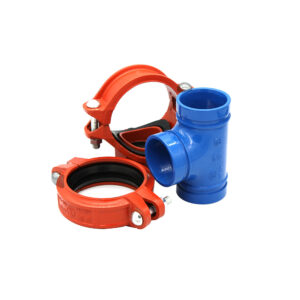
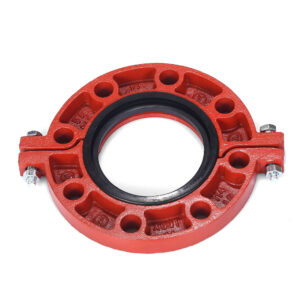
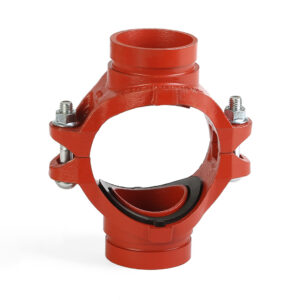
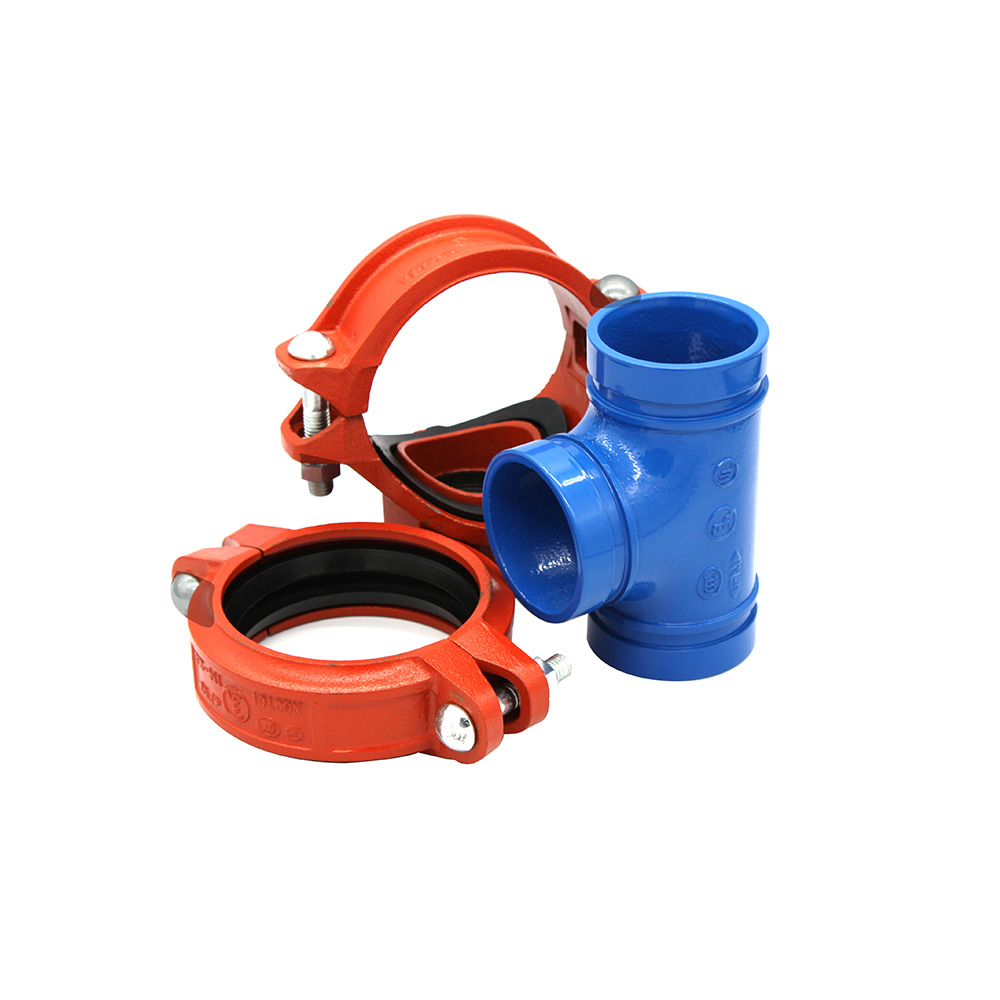
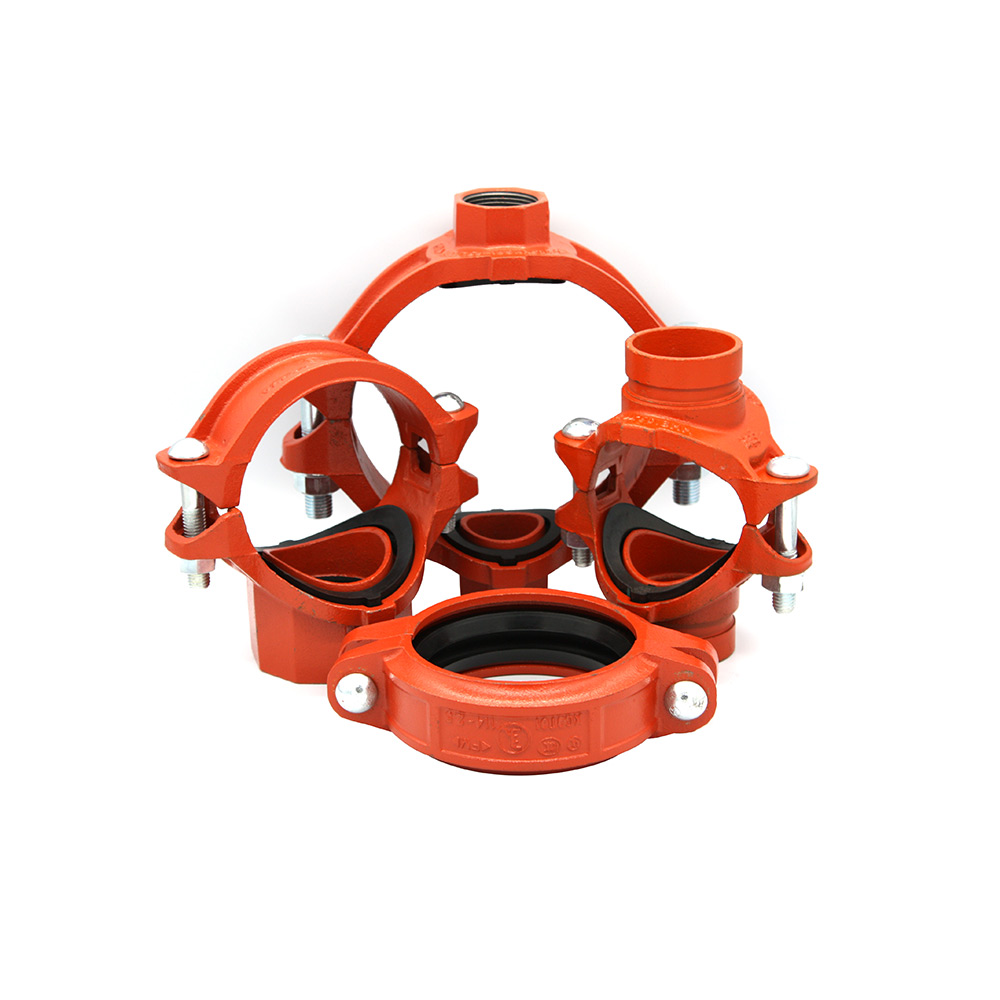
Your order might include various accesorios de tuberías ranuradas. If so, make sure to track the couplings, mechanical tees, and mechanical crosses carefully. Do the same for grooved flanges, elbows, reducers, and end caps. Keep them traceable from the moment of unloading all the way into storage.
Are Product Markings and Documents Clear?
Labels and product stamps must be easy to read upon delivery. Some projects require specific certificates, drawings, or data sheets. They might also need approved submittals. In these cases, ensure the received fittings match those exact records. Missing tags can cause major headaches later. This usually happens when workers store similar sizes right next to each other.
VICAST sorts its grooved pipe fittings into specific groups. These include couplings, mechanical tees, mechanical crosses, grooved flanges, and connection fittings. Buyers can rely on the approved product schedule. It serves as a handy guide during the receiving process.
What Physical Damage Should Be Checked?
Once the paperwork matches up, you must inspect the actual fittings. A loading dock is certainly not a testing lab. Still, workers need to spot any visible damage before moving products into stock.
Are the Casting and Connection Areas Intact?
Search carefully for cracks or deep impact marks. Watch out for clear bending, broken lugs, or ruined bolt pads. Also, check for connection zones that seem uneven. Grooved couplings require special focus. Damage near the housing keys is a major issue. These specific parts must lock into the pipe grooves properly later on.
A tiny surface scratch is quite different from a true structural flaw. A fitting might display a strange crack or bad twisting. It could also show impact marks that might ruin the assembly process. If so, isolate the item immediately. Do not pass it along to the installation crew.
Has the Coating Been Damaged During Transport?
Painted or coated fittings often get scratched in transit. This occurs when cartons shift or metal pieces scrape against one another. You should handle minor cosmetic flaws based on the project or supplier rules. However, large paint chips or exposed metal demand more attention. You must record any widespread coating damage right away.
This step becomes even more vital if the fittings will sit in storage for a while. Damaged finishes can easily turn into starting points for rust. This is especially true in damp environments.
What Should Be Checked on Couplings, Gaskets, Bolts, and Nuts?
A grooved coupling functions as a complete assembly. Because of this, the receiving inspection must cover the main housing. It also needs to check the smaller parts that will eventually form the joint.
Are the Gaskets Clean and Undamaged?
Inspect the gaskets for cuts, cracks, or tears. Look out for bending or dirt. Furthermore, the gasket material has to match the approved specs and service needs. Never use a gasket just because it happens to fit inside the metal housing.
Always keep the gaskets clean while checking them. Someone might drop a gasket on a dirty floor. They might also mix it with greasy hardware. Doing this can ruin the part long before installation begins.
Are All Bolts and Nuts Present?
Make sure the coupling hardware is fully complete. Search for missing nuts or ruined threads. Watch for bent bolts and heavy rust. Also, notice if any hardware looks different from the required set. Never swap out lost fasteners with random items from the site. Only do this if the strict product guidelines allow it.
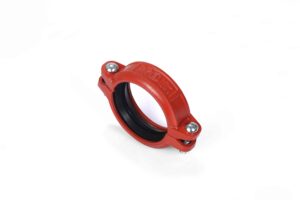
The VICAST XGQT02 flexible grooved coupling is a prime example. People use it in fire protection, HVAC, and industrial piping setups. Its official range spans from DN25 to DN300. It also references ASTM A536, ASTM A395, ISO 6182, AWWA C606, and GB 5135.11. A solid receiving check must keep the housing, gasket, bolts, and nuts clearly identifiable. Everything must remain complete.
How Should Receiving Problems Be Recorded?
Spotting an issue is only helpful if you take action. You must stop the affected fittings from entering the active installation stock. A basic control system helps a lot here. It prevents future arguments and stops workers from moving the same bad parts twice.
Should Damaged Products Be Quarantined?
Yes, absolutely. Place any doubtful items in a clearly marked holding zone. Keep them there until the supplier, QA/QC team, or project engineer makes a final choice. Be sure to log the carton or pallet number. Write down the product type, size, and the exact affected amount. Add a brief description of the issue. Take clear photos as well. These pictures should display both the flaw and the product tags whenever possible.
When Should the Supplier Be Contacted?
Reach out to the supplier if the delivery count falls short. Call them if the model is incorrect or the labels are blurry. You should also contact them if parts are missing or if damage might ruin the product’s function. Reporting things early makes life much simpler. It is very hard to prove shipping damage after workers have dragged the fittings around the site for weeks.
Procurement teams handle massive orders differently. They can compare the new delivery against specific guidelines. These helpful steps are outlined in the Global Buyer’s Guide to Grooved Pipe Fittings.
What Should Happen After the Fittings Pass Inspection?
Approved products still require careful handling. The receiving inspection is not truly finished right away. It only ends when workers move the fittings into safe storage. This step ensures their physical state and identity stay protected.
How Should Accepted Fittings Be Organized?
Sort the fittings by product family, size, and project package. Make sure all labels remain visible. Try to avoid opening more boxes than you actually need. Bolts, nuts, and gaskets must stay with their matching coupling size. Never dump them all into a giant, mixed hardware bin.
Sometimes, the actual installation will not start for a while. When this happens, proper storage conditions become your very next quality-control task.
Why Choose VICAST as a Grooved Pipe Fitting Supplier?
Hebei Jianzhi Fundición Grupo Co., Ltd. states that the company began in 1982. Meanwhile, the VICAST website displays a wide variety of grooved pipe fittings. These are ideal for fire protection, HVAC, and industrial uses. The main product lineup features couplings, mechanical tees, and mechanical crosses. It also includes grooved flanges and various connection fittings. This gives project buyers a highly consistent product family. They can easily review these items during procurement, receiving, storage, and final installation.
Conclusión
A solid receiving inspection checklist needs to answer three main questions. First, did the right products actually arrive? Second, are they physically ready for use? Third, can workers trace them back to the approved order? You must check the paperwork, casting shape, and paint coating. You also need to inspect gaskets, fasteners, and labels during the unloading phase. This is far easier than finding those exact same issues during a busy installation. Approved fittings must move straight into neat storage. On the other hand, damaged or confusing items must stay isolated until management makes a final call.
Preguntas frecuentes
What Is the First Thing to Check When Grooved Pipe Fittings Arrive?
Always begin with the purchase order and the packing list. Review the tags, product type, size, and total amount. You must confirm that the delivery matches the approved order. Do this before you start any deep physical checks.
Should Every Fitting Be Removed From Its Packaging?
No, not always. The depth of the check must follow the official project quality plan. You should pay close attention to visible boxes, tags, sample items, and broken packaging. However, unpacking things without a good reason is risky. It can easily expose perfectly clean products to dirt and dust.
What Should You Do If a Grooved Coupling Arrives With Missing Hardware?
Keep the incomplete coupling out of the active installation stock. Write down exactly which parts are missing. Then, contact the supplier immediately. Do not swap in random bolts or nuts. You should only do that if the strict product guidelines permit it.