
The two connection methods differ greatly in installation process, performance, and maintenance needs. Each method fits particular industrial or commercial settings. In those places, system flexibility, safety, and strength matter a lot.
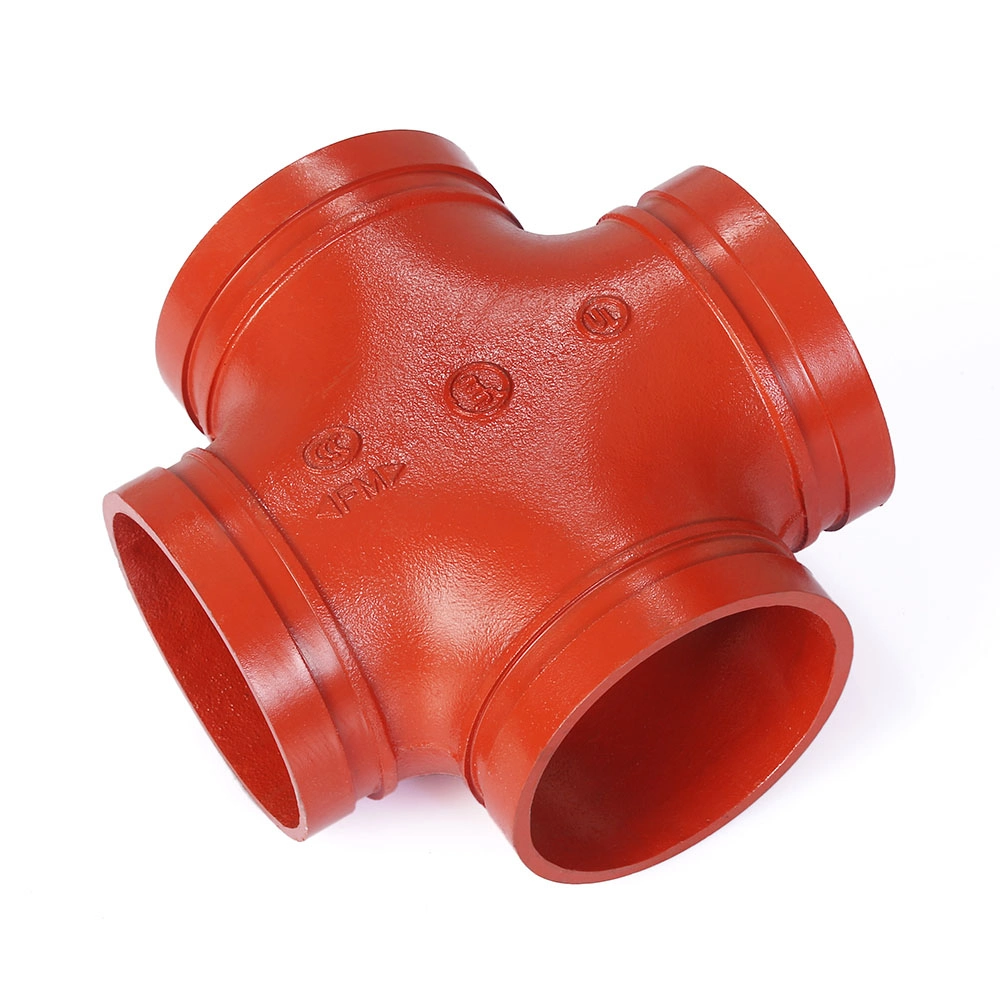
Key Characteristics of Grooved Pipe Connections
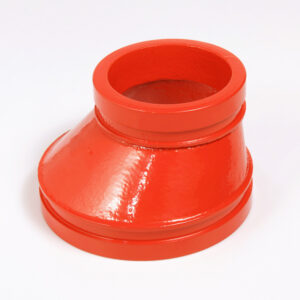
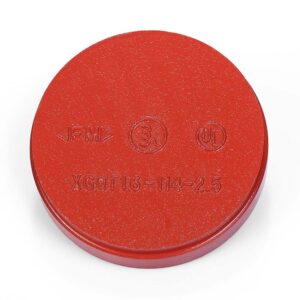
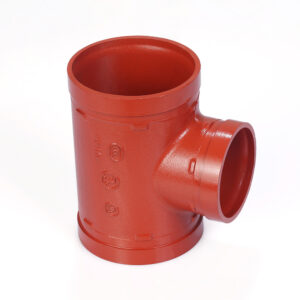
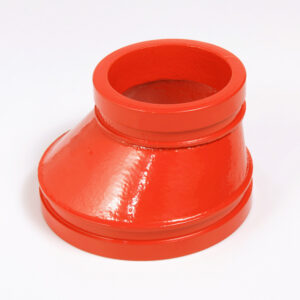
Grooved pipe connections use mechanical couplings to link sections in a fast and firm way. These fittings allow quick setup and takedown. They need no welding, threading, or flanging. This feature suits fast-paced projects well. It also works for systems that might change later. The setup offers some bend and shift. It handles heat growth, shrinkage, shakes, and poor alignment. At the same time, it cuts down on system strain. Since setup skips hot work, grooved systems boost safety in tight or delicate spots. Our Grooved Mechanical Tee Threaded gives a strong and effective fix for linking pipes in many uses. These include HVAC, fire protection, and industrial setups. This trait makes grooved pipe connections very useful in jobs that call for speed and changeability.
Key Characteristics of Welded Pipe Connections
Welded joints create lasting links by melting metal surfaces together. These joints stay stiff. They resist pressure or heat shifts strongly. They fit best in high-pressure pipes or spots with no room for movement. But welding calls for trained workers, special gear, and close safety rules. This is because it uses open fires or gases during setup. The lasting nature of welded joints keeps structure sound. Yet it blocks easy changes without cutting or re-welding.
How Does Installation Efficiency Compare Between the Two Methods?
Setup time impacts project timelines and cost management directly. The gaps between grooved and welded pipe systems show up clearly. They appear when we check time, work effort, and site safety overall.
Time and Labor Requirements
Grooved pipe systems install much quicker than welded ones. They can finish up to a few times faster. Welding needs pipe prep like edging bevels. It also requires exact alignment of sections. Then comes the weld run, cooling period, and later checks. Grooved systems just need end grooving and coupling tightening with basic tools. Welding and threading take a long time. They demand trained labor, unique tools, and safety steps. Grooved systems assemble fast and easily with everyday tools. Fewer work hours mean lower full project costs. And quality stays the same.
Safety Considerations During Installation
Mechanical grooved links remove fire risks from hot work. They avoid open flames or gas tanks. Grooved joints skip hot work. So they need less trained labor and fewer tools for setup. This cuts labor costs and site risks. Welding brings dangers like burns, bad fumes, or blasts if burnable items are close. Thus, in places like hospitals or data centers, fire safety comes first. There, mechanical links provide a safer choice. They make following health and safety rules simpler.
Which Method Offers Better Long-Term Performance and Maintenance?
System life span relies on work conditions. These include pressure changes, shake exposure, rust chance, and ease of upkeep.
Durability and System Integrity
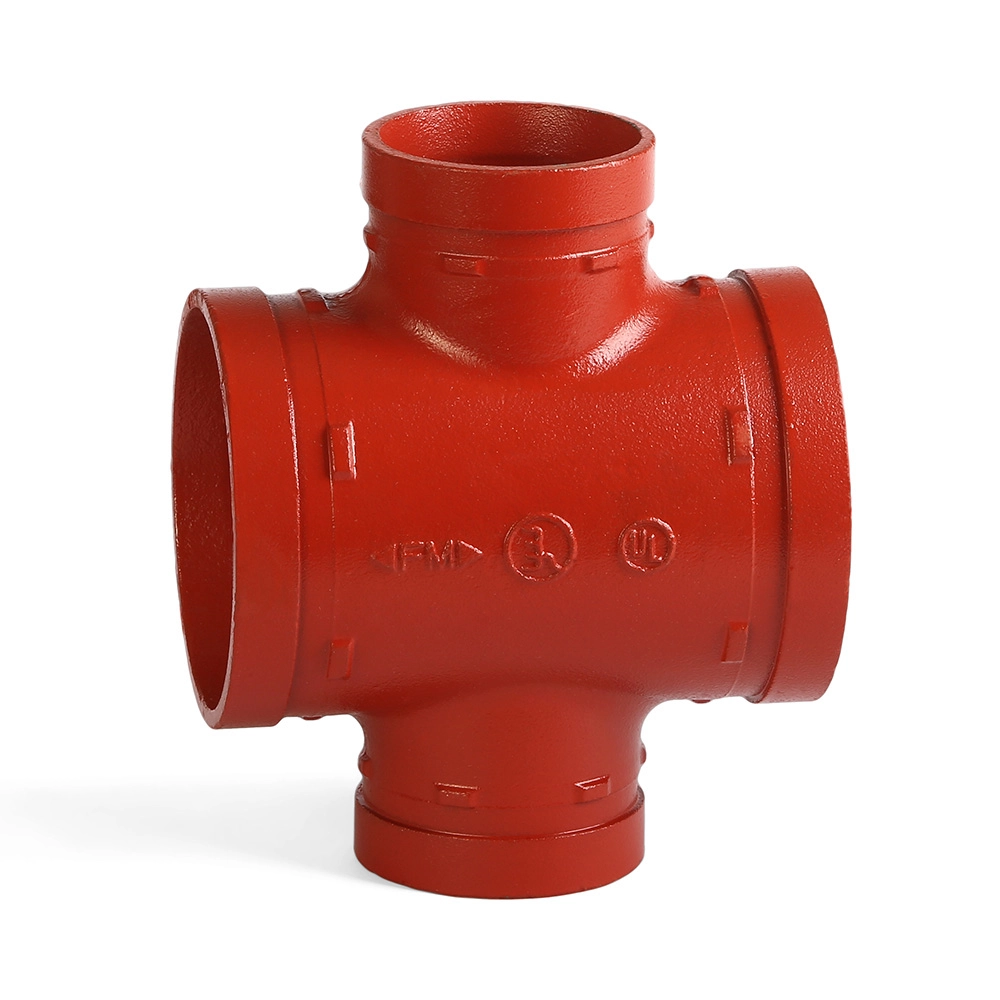
Well-done welded joints give great structure power with low leak risk. They form one smooth metal piece. Grooved systems keep seal strength via rubber gaskets. These allow some give under shifts or shakes. Our rigid grooved coupling offers a sturdy and practical answer for pipe links in various tasks. It ensures a no-leak, safe hold that stands up to high pressure and heat. Rust resistance hinges on material match. Ductile iron parts that meet ASTM A536 or A395 standards work well in both types.
Maintenance Accessibility and Repair Efficiency
Grooved setups allow quick takedown without pipe cuts. This suits checks or swaps perfectly. Systems with grooved pipe fittings are simple to check, fix, or adjust. They fit tasks that need regular entry or layout shifts. On the other hand, fixing welded setups often means grinding old welds. Or it requires swapping whole parts. These are slow jobs that raise downtime. The mechanical side of grooved couplings backs modular designs. Such designs are key in spots that need steady running.
How Do Cost Factors Influence the Choice Between Grooved and Welded Pipes?
Money review should look at upfront spending in building. It also needs to cover running costs over the system’s full life.
Initial Investment vs Lifecycle Cost
Single welded joints might seem cheaper per piece. This comes from basic parts. But full project costs jump due to longer work time. Grooved links have higher part prices. Yet their setup costs stay low overall. Life cycle review must factor in upkeep frequency. Reusable couplings cut future change costs. They do this compared to fixed welds that need breaking for updates.
Material and Equipment Expenses
Welding relies on supplies like filler rods and cover gases. It also needs pricey gear rental. Trained welders add more costs with their expert skills. Grooved setups use simple torque wrenches and grooving tools. This keeps gear needs low over many build stages. Standard couplings that work with carbon steel or ductile iron ease buying for different jobs.
When Should You Choose One Connection Type Over the Other?
Picking between these two link methods means weighing tech performance against setting limits.
Ideal Applications for Grooved Pipe Systems
Grooved piping shines in HVAC networks. It works well in fire suppression setups, water lines, mining builds, or any low-to-medium pressure job needing bend. Common uses cover HVAC systems. They include fire protection (sprinkler) systems. Industrial water lines fit too. So do modular and pre-made piping. Commercial mechanical rooms use them. Mining and process piping with shakes or moves also benefit. Jobs that expect growth later gain from modularity. Couplings come off easily for path changes. This happens without messing nearby parts.
Ideal Applications for Welded Pipe Systems
High-pressure steam lines in power plants or chemical sites often pick welded joints. They handle stiff stress well. Chemical process spots that demand full containment choose welding too. It skips gasket spots that can wear from harsh stuff.
Why Is Hebei Jianzhi Foundry Group Co., Ltd a Reliable Partner for Grooved Pipe Solutions?
Hebei Jianzhi Fundición Grupo Co., Ltd has earned a worldwide name as a trusted maker. They supply well-made grooved fittings that match ISO6182/AWWA C606/GB 5135.11 standards. This brings steady quality to markets everywhere.
Commitment to Quality Manufacturing Standards
Their modern foundry work uses auto casting lines. These make ductile iron parts that fit ASTM A536 Grade 65 45 12 specs. Products face tough tests for size accuracy and seal strength under varied conditions. These steps ensure top couplings. They keep no-leak work even under changing pressures in industrial pipes.
Global Supply Capabilities and Technical Support
Jianzhi’s shipping setup guarantees on-time delivery to many areas. It comes with skilled engineering help in design tune-up stages. Special tech teams help clients with design tune-up, item choice, and post-sale aid. Their skill in custom fixes boosts job flow. At the same time, it keeps to global safety rules for mechanical joint work.
Conclusion: Making an Informed Decision for Your Piping Project
The choice between grooved pipe connections versus welded joints comes down to weighing speed against stiffness needs. Mechanical coupling tech gives better fit where fast setup or upkeep entry counts. It does this without losing trust. Welding stays key where no movement under harsh conditions is a must.
Preguntas frecuentes
1. Can grooved pipe connections handle high-pressure applications?
Grooved couplings usually handle medium pressure levels. But strong versions can take higher ones. This depends on maker design like gasket makeup or housing depth.
2. Are welded joints more reliable than grooved ones?
Both link types reach trust when set up right. Welding gives top structure stiffness. Mechanical grooved links handle moving stresses well over time.
3. What factors should be prioritized when selecting between these two methods?
Choice should focus on work pressure levels. It needs to consider surrounding heat shifts that affect growth limits. Setup time limits matter too. Upkeep entry hopes come next. Budget plans follow. And matching ASME/ISO standards for pipe strength checks is key.