
Small variations in the dimensions of pipe and fittings can have a significant impact on how easy a system is to install, how tight the joints are sealed and the overall safety of the system over time. Use in fire protection, HVAC and industrial fluid applications means that تجهيزات الأنابيب المخدودة have to be compatible with each other and with the pipes to which they are to be connected. They also have to be compatible with gaskets to ensure a tight seal. For engineers, contractors and buyers this means being able to read and check the dimensional charts for individual fittings. This guide explains how to check the outer diameter of the pipe, the groove diameter and the C-to-E dimensions to ensure that each item of pipe and fittings that you order is correct for your application.
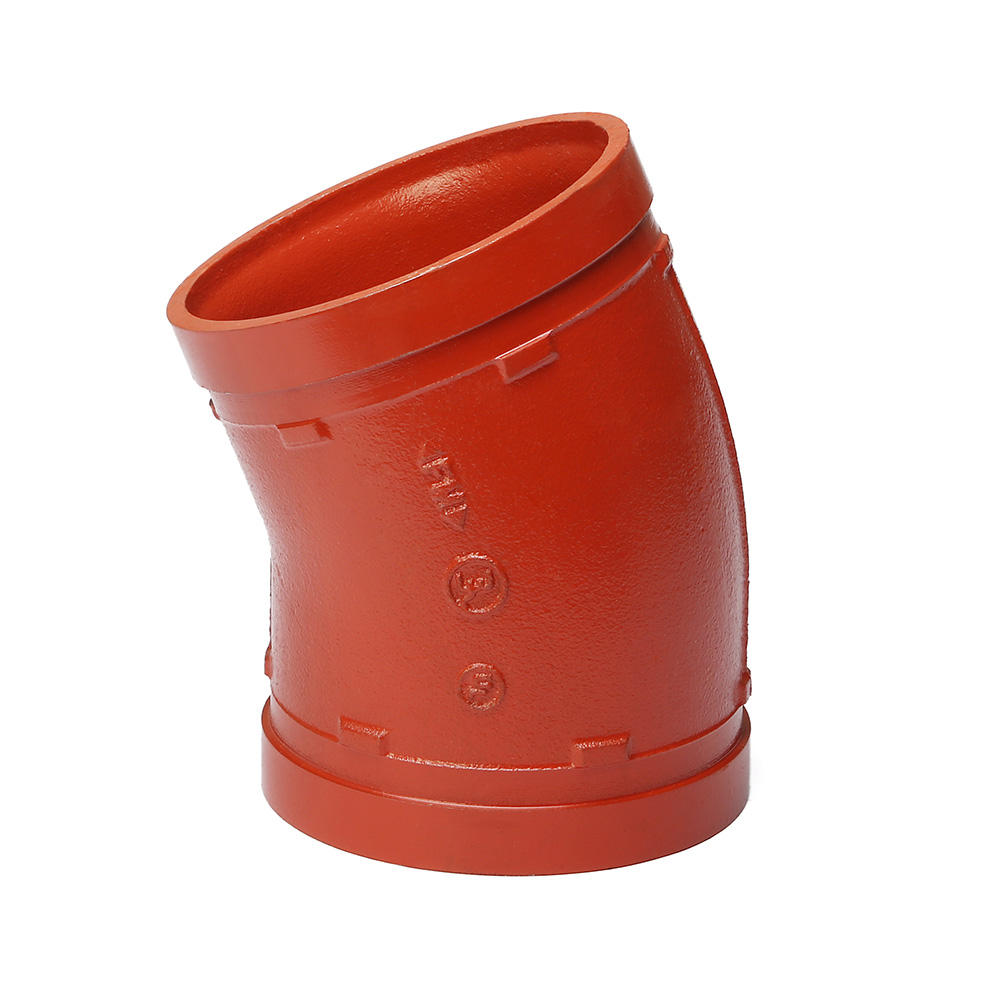
What Are Grooved Pipe Fittings and Why Are Dimensions Critical?
Grooved pipe fittings are a fundamental part of mechanical piping systems. Used in industrial, commercial and infrastructure projects around the world, these critical components make connecting pipes easy. Better than welding or using threads, piping fittings help engineers and contractors to complete jobs faster, allowing for greater flexibility when routing pipes through tricky spaces. But when working with complex systems such as HVAC or fire protection, accurate verification of critical dimensions is crucial in order to select the right components to perform under a variety of pressures and flow rates.
Key Features of a Grooved Piping System
A complete grooved piping system consists of grooved-end pipes, couplings, fittings and gaskets, all held together as a mechanical joint. By allowing quick connection without welds or threading, this piping system offers significant advantages compared to more traditional solutions. For example, its design allows for considerable thermal expansion and also for vibration. This is particularly important for very large piping installations as otherwise rigid connections can very quickly be put under stress by temperature fluctuations.
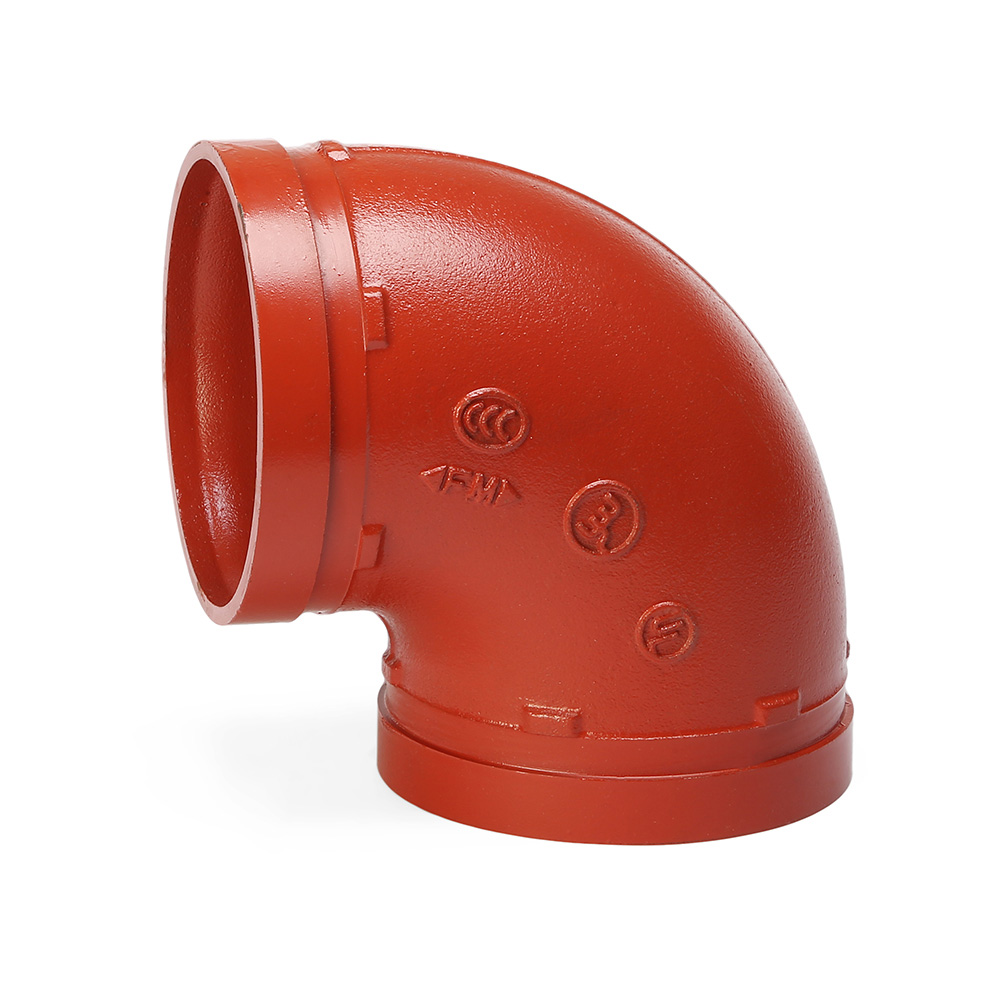
The elbow from our program for grooved fittings is a robust and efficient element for connecting pipes for various applications like HVAc, fire protection and industrial systems. Vicast says so!
Importance of Dimensional Accuracy in Pipe Connections
All components of our complete system are designed to exacting dimensions, allowing for the optimal use of the design. All connections between pipes are dimensionally accurate ensuring that leaks will not occur as a result of pressure fluctuations and that components will not become misaligned with resulting mechanical stress or failure. Our pipe connections are in compliance with internationally recognized standards such as ISO 6182 for water bombs and AWWA C606 for steel water pipe. The dimensional accuracy of our pipe components allows for consistent load on all joints to ensure long term reliability.
| Dimension Item | What to Measure | Recommended Tool | Key Standard Reference | Risk if Incorrect |
|---|---|---|---|---|
| Pipe Outer Diameter (OD) | Actual outside diameter at multiple points around pipe | Caliper / OD Tape | ISO 6182 / AWWA C606 | Coupling mismatch, leakage, installation failure |
| Groove Diameter | Distance across groove profile (bottom to opposite surface) | Inside Caliper | Manufacturer groove chart / Victaulic standard | Gasket misalignment, sealing failure |
| Groove Width | Width of groove engagement area | Vernier Caliper | AWWA C606 | Poor gasket compression, joint loosening |
| Groove Depth | Depth from pipe surface to groove bottom | Depth gauge | ISO / ANSI groove standard | Coupling slippage under pressure |
| Pipe Wall Thickness | Remaining thickness after grooving | Ultrasonic thickness gauge | ASTM A53 / A795 reference | Structural weakening, burst risk |
| C-to-E Dimension | Centerline to end face of fitting | Measuring tape / CAD data | Manufacturer dimension chart | Misalignment in piping layout |
| Ovality Check | Difference between max and min OD | Caliper (multi-point measurement) | ISO tolerance standard | Uneven sealing pressure, leakage risk |
How to Measure Pipe Outer Diameter (OD) Accurately?
It is very important to check the actual outer diameter (OD) of the pipe before selecting any of the grooved pipe fittings. This is to ensure that there is a proper engagement between the pipe and the inside of the coupling housing.
Tools and Techniques for Measuring OD
Record the outer diameter of all straight sections using a calibrated caliper or OD tape. Measure in several places on the circumference to check for ovalness. Record all readings in mm or inches as detailed in the project specification or relevant standard.
Common Tolerances in Pipe OD Measurements
Typical dimension tolerances for standard pipe are in the order of ±0.5 mm to ±1 mm and are defined by the relevant manufacturing standard. However, there can be additional variation due to coating thickness and other fabrication parameters. It is therefore very important to cross reference actual pipe measurements against the relevant manufacturer’s dimension chart prior to ordering associated fittings to avoid potential problems with fitted parts.
How to Verify Groove Diameter and Groove Width?
The groove diameter determines how well a coupling engages with the pipe’s groove profile—directly influencing sealing integrity and mechanical stability.
Steps for Checking Groove Diameter
For precise measurement of the groove diameter, use an inside caliper to measure from the bottom of the groove to the opposite side of the pipe. Compare your findings to the standard groove profiles found in manufacturers’ data, such as those found for Victaulic-style fittings. Our Grooved Mechanical Cross is a very robust and efficient connection for pipes in HVAc, fire protection and industrial systems. It is leak-tight at high pressure due to strict adherence to defined groove profiles.
Verify the groove depth is correct to match the design of the coupling. Insufficient depth of the groove can cause the gasket to move or displace during pressurization.
Evaluating Groove Width and Edge Conditions
The width of the groove has to correspond to the engagement areas of the gaskets as specified by the manufacturer. During deburring of hard-edged or burr-damaged areas care has to be taken not to damage the sealing gasket when assembling. The surface finish also has to be inspected for roughness, as this could affect sealing performance over time, due to non uniform compressibility of the elastomer.
What Is C-to-E Dimension and Why Does It Matter?
The center-to-end (C-to-E) dimension is defined as the distance from the centerline of the fitting to the end face of the fitting. This dimension is critical in ensuring accurate layout.
Calculating C-to-E Dimensions for Different Fittings
Each fitting type has unique C-to-E values:
- الكوع: Determine directional changes within confined layouts while maintaining consistent flow paths.
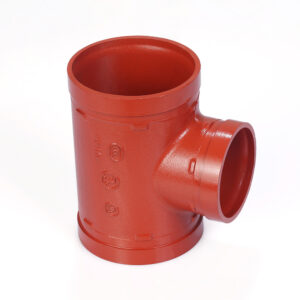
- Tees: Establish branch spacing essential for balanced fluid distribution.
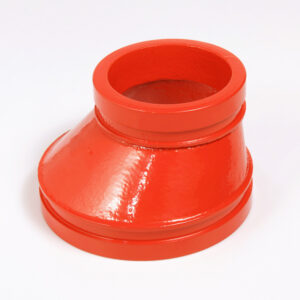
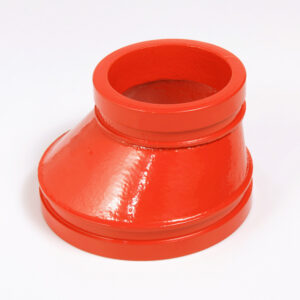
- مخفضات: Facilitate smooth transitions between different diameters without inducing turbulence.
Our rigid grooved coupling is a robust and effective pipe connection solution for a number of applications including HVAC, fire protection and other industrial systems. These precise engineered components are dependent on the C-to-E values remaining constant in order for the overall geometric accuracy of the assembly to be maintained.
Ensuring Compatibility Using Dimension Charts
The manufacturer’s dimension charts are used during design review to reference standardized information, including dimensional characteristics with allowable tolerances for all fittings. By referencing the charts, the engineer can avoid having to redesign and pay to make field changes for mismatched connections.
How Can Dimension Charts Simplify Your Ordering Process?
Dimension charts consolidate essential information such as OD measurements, groove diameters, groove widths, and C-to-E distances into one accessible reference document—streamlining both design validation and procurement workflows.
Benefits of Using Dimension Charts in Project Planning
Using dimension charts reduces risks associated with incorrect part orders by confirming compatibility before purchase orders are issued. It enhances coordination between engineering teams and procurement departments while improving installation efficiency through minimized on-site adjustments. For large-scale projects like those supported by Vicast across China’s landmark structures—such as Canton Tower—the use of standardized dimensional data ensures smooth execution across thousands of joints.
Vicast has been serving Chinese market for over 40 years and growing up together with China for 43 years. The brand’s long term experience shows that maintaining consistent dimensional control will deliver reliable performance in different construction scenarios.
Key Data Points Typically Included in Manufacturer Charts
Typical manufacturer dimension charts include:
- Nominal pipe size (NPS) versus actual OD values.
- Groove dimensions detailing diameter, width, and depth.
- Fitting-specific parameters such as C-to-E distances or overall lengths (OAL).
These datasets can be referenced by the engineers early in the project planning phase to select suitable components that fulfill the project specifications.
Why Choose Hebei Jianzhi Foundry Group Co., Ltd as Your Supplier?
هيبي جيانزي صب مجموعة المحدودة is a reputable manufacturer who specializes in high quality grooved pipe fittings for applications such as heating, ventilation, and air conditioning systems, fire protection systems, municipal water supply systems and mining systems etc.
Core Advantages of Hebei Jianzhi Products
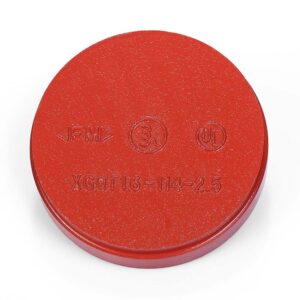
Our precision-engineered fittings are designed and manufactured to the highest quality and meet international certification standards. With ISO 9001 approval and FM/UL approval for safety compliance worldwide, our fittings are second to none. Our advanced casting facilities guarantee consistent dimensional accuracy with stringent inspection procedures in place to maintain surface quality to that of leading global brands such as Vicast.
With a precision design and top quality materials, our rigid grooved coupling is suitable for any application that requires the highest levels of strength, reliability and durability. This quality is at the core of Hebei Jianzhi’s philosophy, in order to supply high quality components and complete system solutions, including couplings, elbows and reducers, which are suitable for professional installers and have high levels of technical ability and operational reliability.
Conclusion: Ensuring Dimensional Accuracy Before Ordering Grooved Pipe Fittings
Accurate measurement of pipe OD, groove diameter, groove width, and C-to-E dimensions forms the foundation of reliable performance within any grooved piping system. Utilizing detailed dimension charts from trusted manufacturers enables professionals to validate every connection point before installation begins—reducing risks while optimizing workflow efficiency across projects involving critical infrastructure systems like fire protection or HVAC networks.
الأسئلة الشائعة
What happens if the groove dimensions do not match the coupling specifications?
Incompatible grooves can prevent proper seating of gaskets or cause slippage of couplings under pressure, which can cause leakage or failure of joints in service.
How often should dimensional checks be performed on incoming grooved fittings?
Quality assurance best practices are to randomly sample from all incoming deliveries, on receipt, particularly where installations are of a mission critical nature i.e. life safety such as fire suppression systems where reliability is paramount.
Are dimension charts standardized across all manufacturers?
Most water meters follow the guidelines of AWWA C606 or ISO 6182 standard frameworks. There are however slight variations between suppliers. Always check the dimension chart of your specific supplier before making any purchase decisions.