
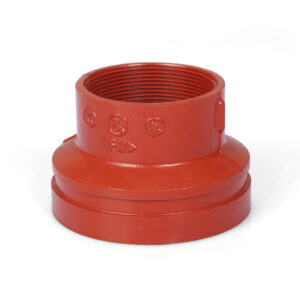
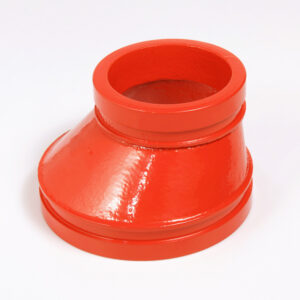
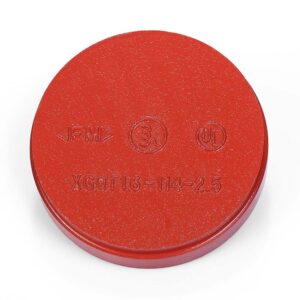
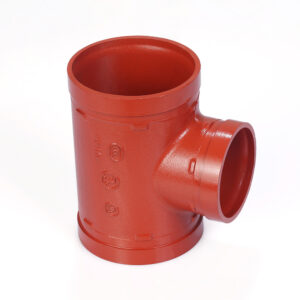
A threaded concentric grooved reducer combines a grooved pipe connection with a threaded outlet arrangement and a centered size transition. It can be relevant when a branch or equipment connection needs a threaded interface while the main piping remains part of a grooved system. Buyers should confirm the exact connection path, pipe sizes, thread requirement, service limits, and installation access before selecting this type of fitting.
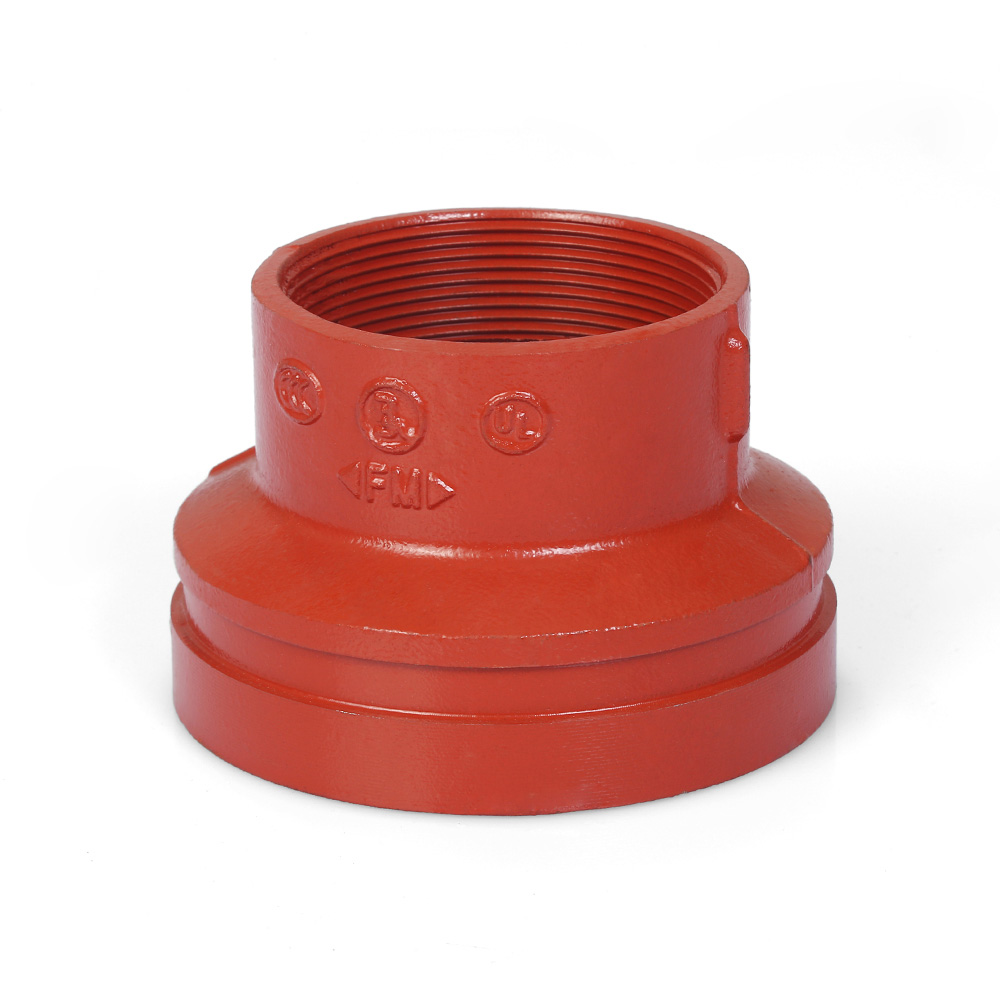
What is a threaded concentric grooved reducer
A concentric reducer changes pipe size along a centered axis. A threaded version adds a threaded connection at the specified outlet or connection point, allowing the fitting to interface with compatible threaded components. The grooved end still requires the correct pipe groove, gasket, and coupling. The threaded side must be matched to the required thread type and mating component.
This combination is different from a standard concentric reducer and different from a mechanical tee. It should be specified by its complete connection arrangement rather than by the word reducer alone.
When is this fitting useful for a branch connection
A threaded concentric reducer can be considered when a grooved main or branch line needs to transition to a smaller threaded component, instrument connection, valve accessory, or other approved threaded interface. The design should show the connection sequence and make clear whether the threaded side is part of the pressure boundary or connects to a separate fitting.
The connection sketch should identify the direction of flow, the pipe centerline, the equipment or branch component, and the access needed for assembly. This is useful in plant rooms where a threaded fitting may be close to a wall, valve body, cable tray, or insulation. Confirming the sequence early prevents the reducer from being installed where the mating component cannot be turned or inspected.
What should installers confirm at the connection
Confirm thread type, size, engagement, sealant or sealing method required by the project, and the space needed for assembly. Check that the threaded component does not impose excessive force on the reducer or connected pipe. The installer should also verify that the grooved side is aligned and supported before tightening the coupling.
How is a concentric transition different from an eccentric one
A concentric reducer keeps the connected centerlines aligned, which can be useful where the branch or equipment connection is designed around a common axis. An eccentric reducer shifts the transition to one side to preserve an elevation or clearance relationship. The choice should follow the drawing, not a general preference for one geometry.
What should buyers check for XGQT11S
The VICAST Threaded Reducer Concentric XGQT11S product page lists a 1¼ to 8 inch / DN32 to DN200 size range, a stated temperature range of -20°F to +180°F, ASTM A536 and ASTM A395 material standards, and ISO 6182, AWWA C606, and GB 5135.11 design standards. Confirm the exact threaded outlet and size combination in the current technical data. Confirm the wider range on the before issuing a purchase request.
The purchasing request should identify the pipe outside diameter, groove profile, thread specification, mating component, gasket requirement, working pressure, temperature, coating, and required documents. Do not rely on nominal size alone because a threaded connection can be incompatible even when the pipe diameter appears correct.
Ask the supplier to state the exact thread specification and mating component on the quotation. Keep that information with the approved material schedule so the receiving team can separate XGQT11S from other reducers and verify the threaded interface before installation.
How should the grooved and threaded sides be coordinated
Treat both ends as parts of one assembly. Prepare the grooved pipe end according to the approved groove dimensions, inspect the gasket seating area, and use a compatible coupling. On the threaded side, follow the project’s approved sealing and tightening procedure. Keep the fitting supported so that tightening the threaded connection does not twist the grooved joint or connected pipe.
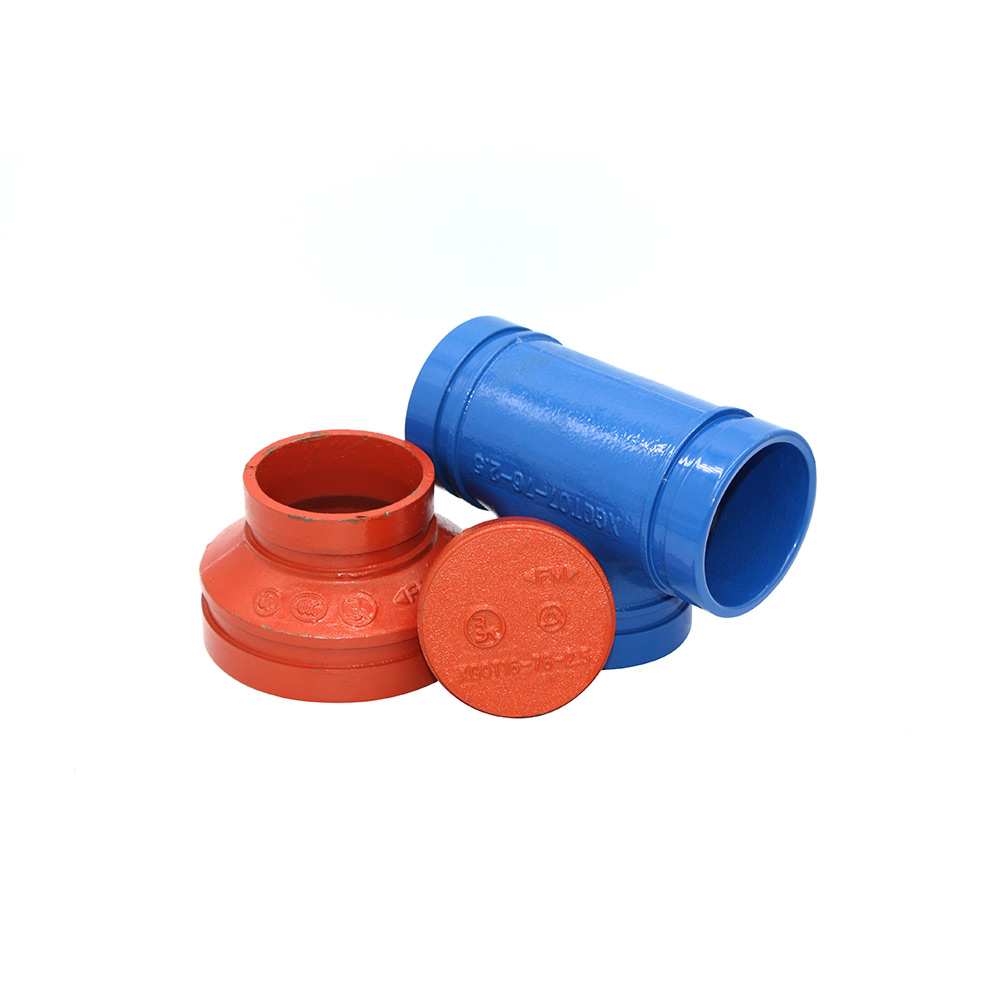
Review the wider VICAST grooved pipe fitting range when the line also includes tees, elbows, reducers, couplings, or end caps. A complete component review helps identify where a threaded interface is actually needed and where a fully grooved connection would be more appropriate. Related grooved pipe fitting components can be checked alongside the selected reducer.
What should be included in the quote request
List the XGQT11S model, large and small sizes, threaded outlet specification, pipe outside diameter, quantity, service, pressure and temperature limits, standards, gasket and coating requirements, and documentation needs. Include a simple connection sketch when the reducer is part of a branch or equipment assembly.
VICAST provides grooved pipe fitting products for fire protection, HVAC, and industrial piping applications. The final selection should be checked against the current product data and the project’s approved connection details.
Conclusion
Choose a threaded concentric grooved reducer when a centered size transition and a compatible threaded interface are both required in a grooved piping arrangement. Confirm the thread, groove, gasket, pressure, temperature, support, and mating component before ordering.
FAQs
Is a threaded concentric reducer the same as a mechanical tee
No. A threaded concentric reducer changes size along a centered connection path. A mechanical tee creates a branch from a run pipe and uses a different connection arrangement.
Can any threaded component be connected to XGQT11S
No. The mating component must match the specified thread, size, service, and sealing requirements. Confirm compatibility before assembly.
What is the main ordering mistake with a threaded reducer
Specifying only the nominal pipe size is a common mistake. Include the groove details, threaded outlet specification, mating component, service limits, and required documents.