
Selecting the appropriate fitting impacts setup speed, access for repairs, leak prevention, and overall system dependability. Pipe couplings and unions both link pipe sections. However, they fulfill entirely distinct roles. A coupling normally forms a snug joint meant to stay in its spot. Meanwhile, a union permits handy separation without slicing or turning the pipes. This guide contrasts their build, applications, advantages, and buying factors. It also gives extra focus to grooved coupling choices.
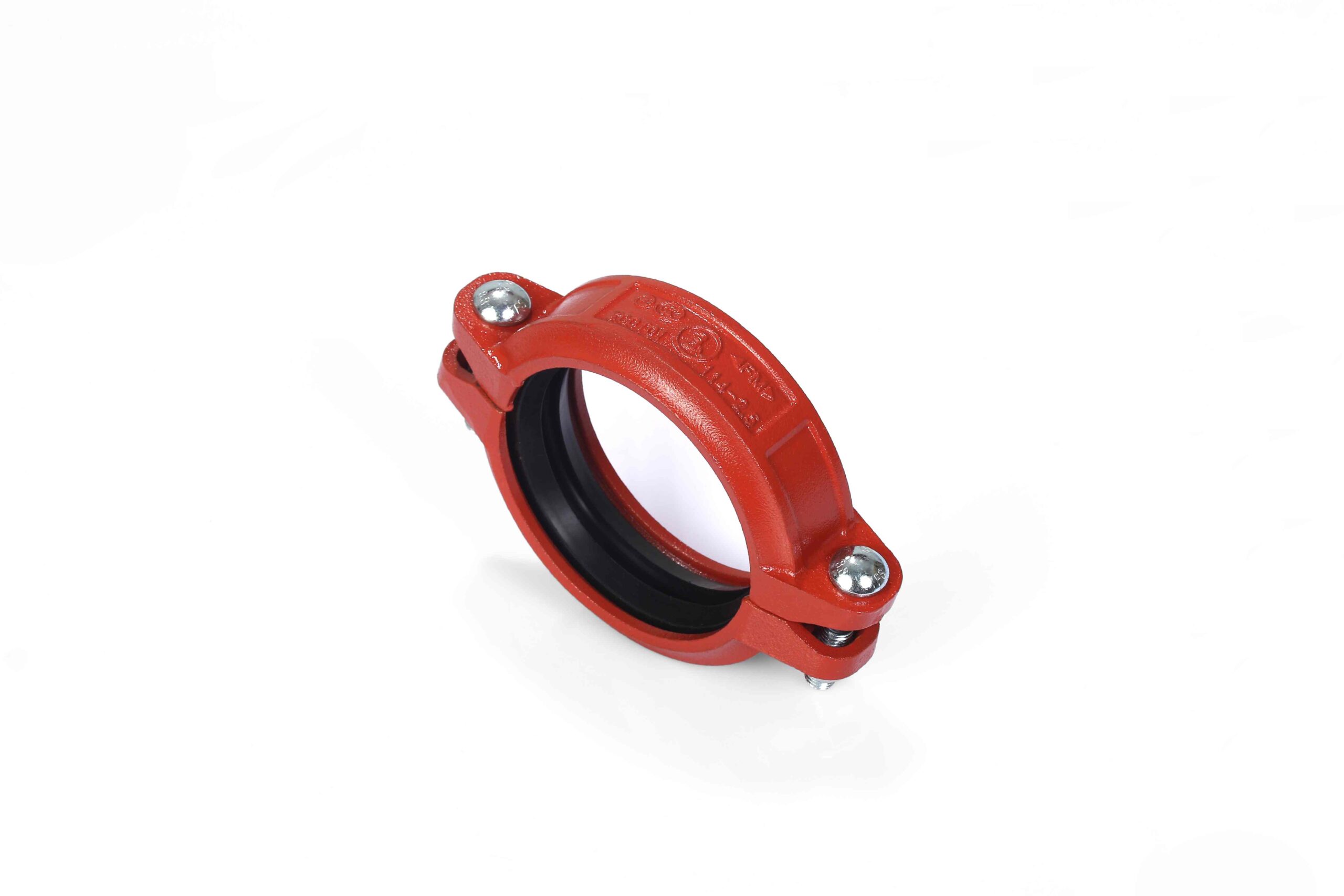
What Is a Pipe Coupling?
A pipe coupling links two pipes of matching or varying widths. Based on the setup, it might employ threads, grooves, squeezing, solvent glue, or welding.
How Does a Coupling Connect Pipes?
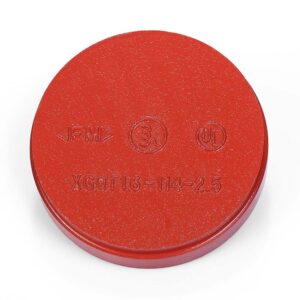
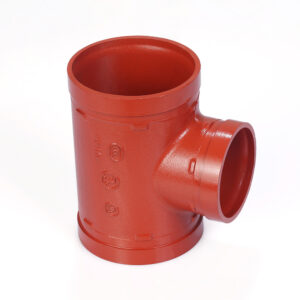
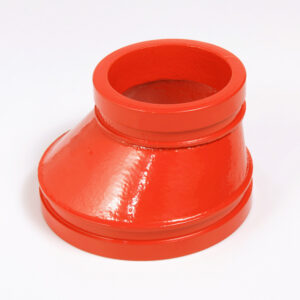
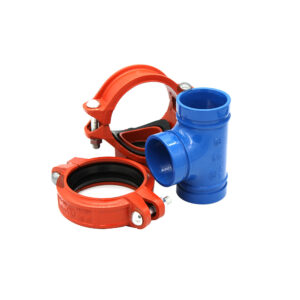
A threaded coupling takes in threaded pipe tips. A welded coupling, on the other hand, makes a lasting joint. A grooved coupling utilizes outer shell pieces, bolts, and a rubber seal to grip grooves close to the pipe ends. This physical layout helps with quick building and secure closing without heat work. Vicast supplies both rigid and flexible grooved coupling options.
Where Are Couplings Commonly Used?
Couplings appear often in water delivery, HVAC, fire defense, and factory pipelines. Rigid grooved couplings assist in keeping pipes straight. Flexible versions can handle slight shifting or shaking if the system layout permits it. Their small shape also fits well in packed piping areas.
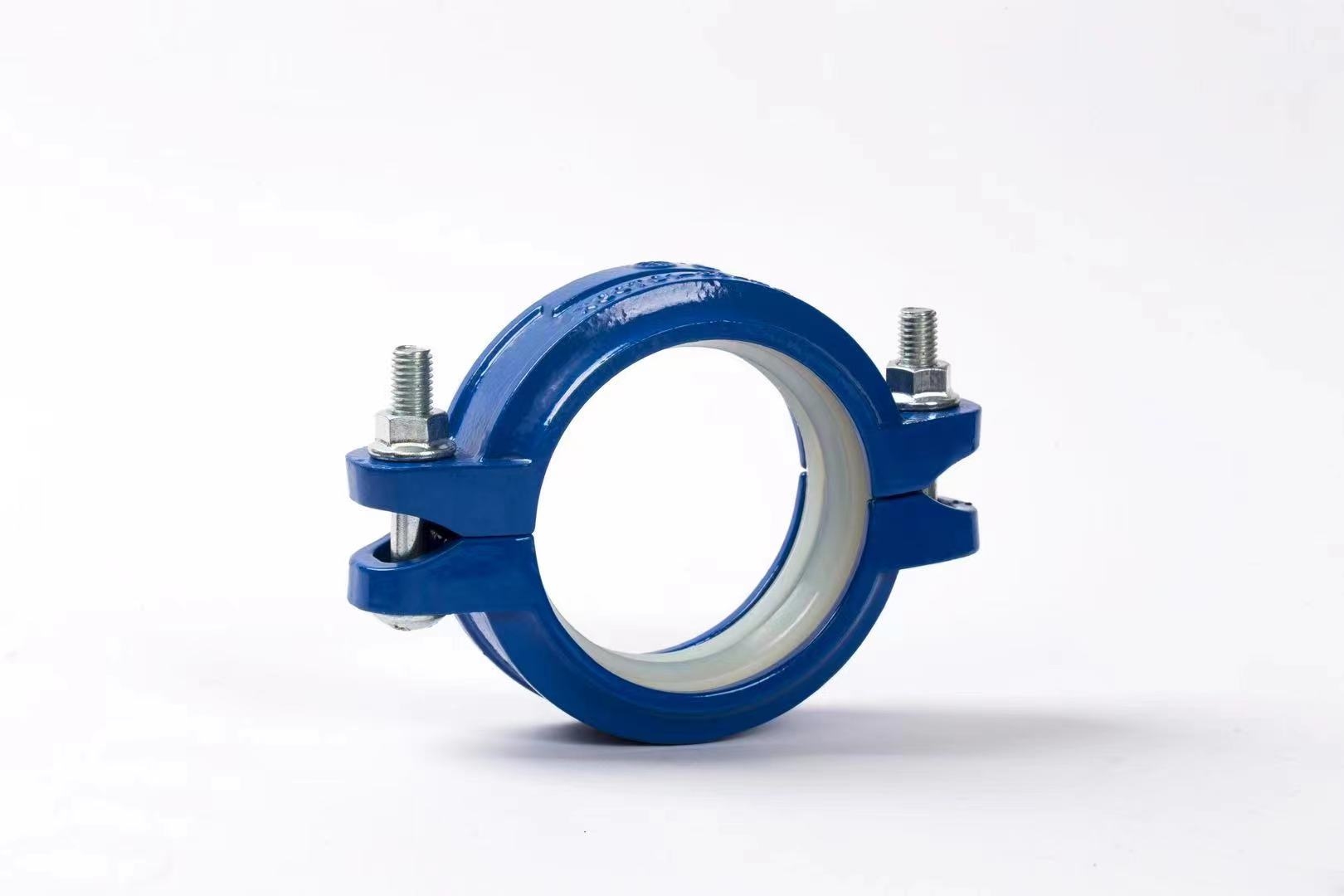
What Is a Pipe Union?
A union also links two pipes. Yet, its main trait is simple taking apart. Workers frequently put it close to machines that might require checking, swapping, or washing.
How Is a Union Constructed?
A normal union holds two end parts and a middle nut. Turning the nut tightly pulls the ends close and locks the joint. For upkeep, the nut can be loosened. Then, the link breaks apart without spinning lengthy pipe lines. This three-piece build sets a union apart from a standard coupling.
Where Do Unions Work Best?
Unions often sit next to pumps, valves, meters, filters, and storage tanks. They are highly handy in narrow lines needing frequent care. The material, gasket, pressure limit, and thread type must fit the working environment.
How Do Pipe Couplings and Unions Differ?
The primary contrast lies in how each fitting aids setup and upkeep. Linking style, taking apart, pressure needs, and open room should direct your choice.
How Do Installation and Disassembly Compare?
A coupling joins two ready pipe ends straight away. Based on its sort, taking it off might need turning the pipe, cutting, undoing threads, or loosening a grooved shell.
A union is built for frequent parting using its middle nut. This lets workers take out nearby gear without moving long stretches of pipe. Consequently, repair work becomes quicker and much simpler.
How Do Strength and Service Access Compare?
Couplings are mostly chosen for unbroken pipe lines and tough physical links. Grooved couplings prove helpful in bigger business and factory setups. They go in smoothly and come in rigid or flexible shapes.
Unions put repair access first around parts with known upkeep schedules. Their main perk is not always extra toughness. Instead, it is simpler taking off and putting back together.
How Do Size, Cost, and Space Compare?
A coupling is normally shorter and more basic. Thus, it slips into tight pipe paths easily. A union has extra pieces. It needs open room for its middle nut and fixing tools.
Even though a union might cost more at first, it can cut down work time during later fixes. A coupling might save money for pipe parts that are not likely to be taken apart.
When Should You Choose a Coupling or a Union?
The right pick relies on if the joint must stay mostly untouched or give easy entry. Pressure, heat level, pipe makeup, width, shifting, repair timing, and needed rules should all be checked before buying.
When Is a Coupling the Better Choice?
Pick a coupling for straight pipe add-ons and lasting or semi-lasting flow lines. A grooved coupling acts as a solid pick for fire defense, HVAC, water supply, and factory pipes where fast physical building is wanted.
Rigid couplings are mostly picked when keeping pipes straight and held tight are main goals. Flexible couplings might be put in where slight shifting, shake control, or tiny bending is asked for by the plan.
When Is a Union the Better Choice?
Pick a union close to pumps, control valves, meters, strainers, or other parts that might need taking out. It is also handy where turning the pipe during taking apart would be hard.
Before putting it in, check the union’s pressure class, seal match, rust fighting ability, material, and link rule. A union should not be picked just because it is simpler to open.
Why Is Hebei Jianzhi Foundry Group Co., Ltd. a Reliable Grooved Pipe Coupling Supplier?
Maker skill matters. Coupling sizes, shell toughness, seal fit, and making steadiness directly sway setup quality. Shoppers should look at making background, item choices, quality checks, tech help, and global shipping skills.
What Products and Capabilities Does the Company Offer?
Hebei Jianzhi Foundry Group Co., Ltd., linked with the Vicast item range, started in 1982. It gives a wide mix of grooved fittings. This includes rigid and flexible grooved couplings.
Its main site notes over 40 years of making past, ISO 9001 and ISO 14001 running systems, over 200 patents, and selling in more than 100 nations. These skills make Hebei Jianzhi Foundry Group Co., Ltd. a trusted grooved pipe coupling supplier for fire defense, HVAC, water supply, and factory jobs.
Conclusion
The last choice should rest on the job of the joint. Both items can form working pipe links. However, they fix varying setup and upkeep troubles.
How Can You Match the Fitting to the Project?
Apply a coupling when the main goal is a small, tough, and smooth pipe link. Apply a union when handy taking apart close to fixable gear matters the most.
For bigger physical setups, grooved couplings give a handy mix of setup speed, closing power, and layout choices. Always check pipe sizes, pressure and heat limits, seal matching, upkeep needs, and needed job rules before setting up.
FAQs
Can a Grooved Coupling Be Removed and Reused?
Many grooved couplings can be taken apart by undoing the bolts and lifting off the shell. Using them again relies on the maker’s steps and the shape of the shell, bolts, pipe grooves, and seal. Broken or old sealing pieces should be swapped out.
Is a Union Stronger Than a Coupling?
Not always. Joint toughness relies on the makeup, plan, width, pressure class, and setup quality. Couplings are often picked for hard unbroken pipe lines. Unions are chosen mostly for simpler repair access.
Can a Union Replace a Grooved Coupling?
Only when the pipe width, link kind, pressure limit, open room, and repair plan allow the swap. In fire defense or wide HVAC setups, a named grooved coupling should not be swapped without expert okay.