
A maglietta meccanica allows installers to create a branch connection on a run pipe without cutting the main line into separate sections. However, a reliable installation depends on one critical step: cutting the correct hole. A common mistake is to assume that a 1-inch threaded outlet needs a 1-inch hole or that a 2-inch outlet should be paired with a 2-inch hole saw. In practice, outlet size and hole diameter are different dimensions. Choosing the correct mechanical tee hole saw size helps the fitting locate properly, provides the gasket with the sealing surface it needs, and reduces the risk of leakage, misalignment, and costly rework.
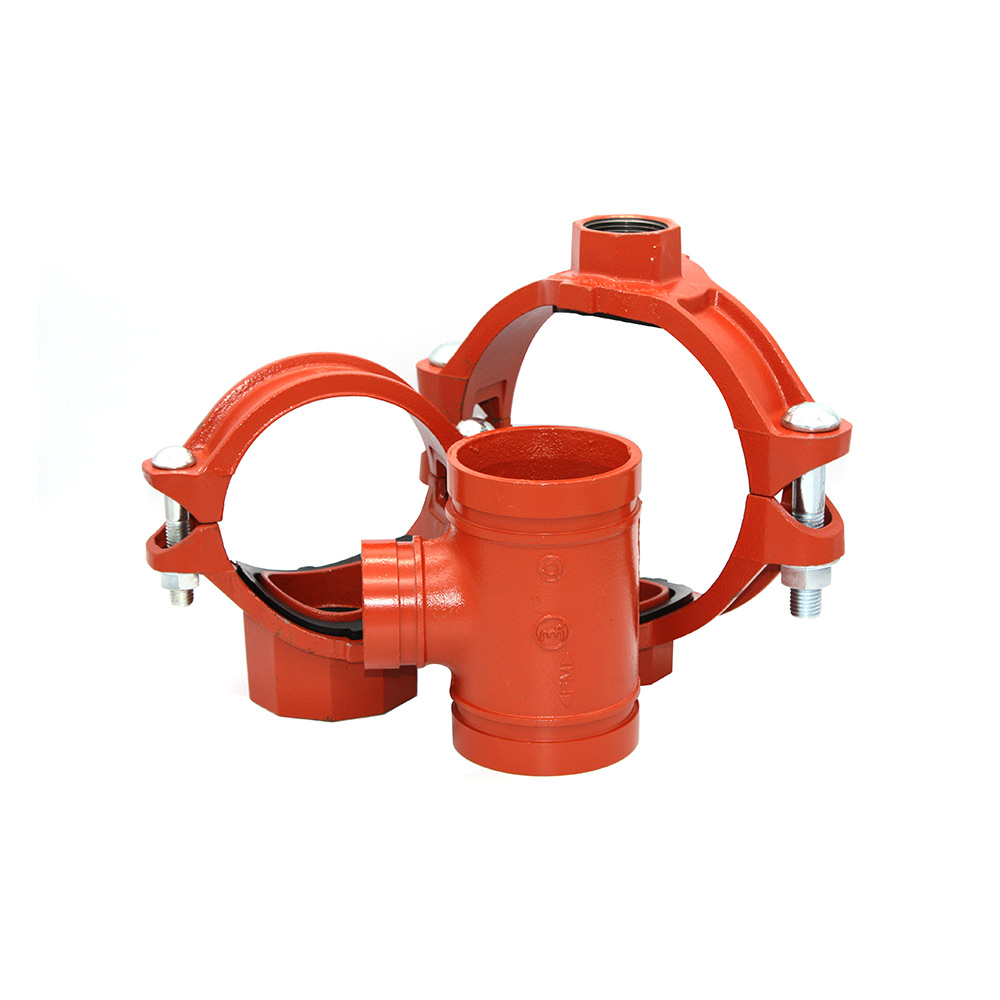
Why Isn’t the Mechanical Tee Outlet Size the Same as the Hole Diameter?
Outlet size describes the branch connection, while hole diameter is an installation dimension determined by the mechanical tee design. Using these terms interchangeably can result in incorrect pipe preparation.
Outlet Size Refers to the Branch Connection
For a threaded mechanical tee, the nominal outlet size identifies the threaded branch connection used to connect a nipple, valve, gauge, sprinkler connection, drain, or another compatible component.
It does not tell the installer which hole saw to use.
For example, seeing a 1-inch threaded outlet on a mechanical tee should not lead an installer to automatically select a 1-inch hole saw. The correct opening depends on the design of the complete fitting rather than the threaded outlet alone.
Hole Diameter Depends on Fitting Geometry
The hole must provide clearance for the fitting’s locating feature and flow passage while leaving enough pipe surface for the gasket to create a secure seal.
For this reason, manufacturers specify a required hole diameter or an acceptable hole-size range in their technical documentation. Installation instructions also typically require the hole to be centered, smooth, and free from burrs because poor preparation can affect fitting position and gasket sealing.
How Do You Find the Correct Mechanical Tee Hole Saw Size?
There is no single hole saw size that can be selected from the outlet size alone. Before drilling, identify the exact fitting model and pipe configuration.
Check the Exact Product and Size Combination
Confirm these basic parameters first:
- Run pipe size
- Mechanical tee model
- Branch or outlet size
- Pipe specification
- Manufacturer’s specified hole diameter
Two mechanical tees with the same nominal threaded outlet may not necessarily require the same opening. Differences in housing geometry, gasket design, locating collars, and product series can change the required hole size.
This is particularly important when replacing an existing mechanical tee or changing suppliers. Never reuse a previous hole dimension simply because the new fitting has the same outlet size.
Follow the Manufacturer’s Hole Size Limits
Some mechanical tee installation instructions provide both a minimum or recommended hole diameter and a maximum allowable diameter. Those dimensions are part of the fitting design.
An undersized hole can interfere with proper positioning, while an oversized hole can reduce the pipe surface available for gasket contact. Therefore, the product data sheet—not visual estimation—should determine which hole saw is used.
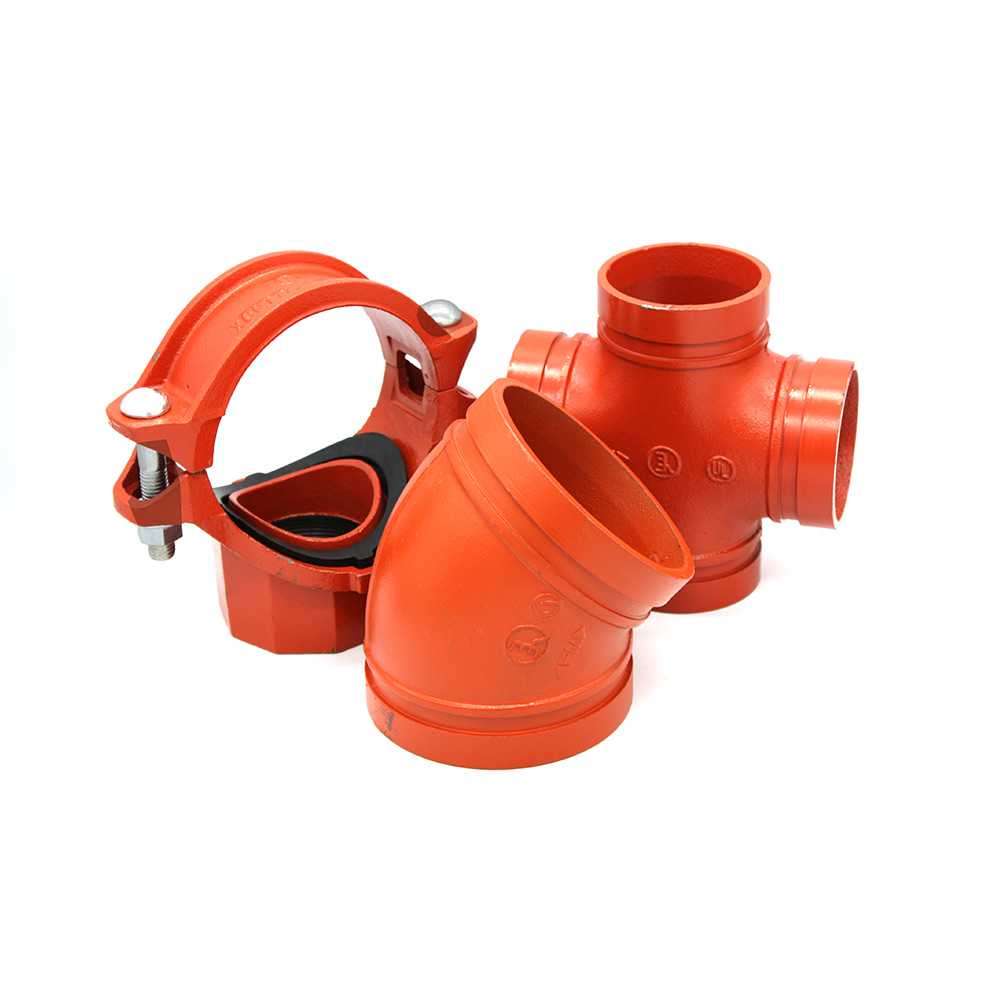
What Can Happen If the Mechanical Tee Hole Is the Wrong Size?
Incorrect hole diameter is more than a minor installation error. It can affect positioning, sealing, and the long-term performance of the branch connection.
Common Problems Caused by Poor Hole Preparation
A hole that is too small may prevent the mechanical tee’s locating feature from fitting correctly. A hole that is too large may compromise alignment or reduce the effective sealing surface.
Off-center and oval holes can create similar problems.
Burrs and sharp edges are another concern. Technical installation guidance specifically calls for burrs and sharp edges to be removed because they can interfere with the locating collar, outlet flow, or gasket sealing.
Installers should also avoid trying to correct an inaccurate hole with uncontrolled grinding. The final opening still needs to remain within the manufacturer’s dimensional requirements.
How Should You Cut a Hole for a Mechanical Tee Correctly?
Selecting the correct diameter is only one part of mechanical tee installation. Hole location and surface preparation are equally important.
Mark, Cut, Deburr, and Clean
First, identify the required branch location and mark the centerline of the run pipe. Support the pipe so that it remains stable during drilling.
Next, use a suitable hole saw of the diameter specified for the selected mechanical tee. The hole should be cut cleanly and accurately rather than produced with an unsuitable cutting method.
After drilling, remove chips, burrs, and sharp edges. Inspect and clean the area surrounding the hole so that dirt, scale, projections, or surface defects do not prevent the gasket and housing from seating correctly. This preparation helps create a more consistent sealing surface.
What Should You Check Before Installing a VICAST Threaded Mechanical Tee?
The same principle applies to VICAST products: do not estimate the required hole from nominal outlet size. Installation should follow the technical information for the exact mechanical tee and size combination.
Check the VICAST XGQT15S Specification Before Drilling
The VICAST XGQT15S Mechanical Tee Threaded is available in sizes from 1–10 inches / DN25–DN250. The official product page lists ASTM A536 Grade 65-45-12 and ASTM A395 Grade 65-45-15 material standards, along with ISO 6182, AWWA C606, and GB 5135.11 design standards. It is designed for applications including HVAC, fire protection, and industrial piping systems.
Because installation dimensions can vary with the fitting configuration, installers and purchasers should confirm the current VICAST technical data for the selected run and outlet combination before cutting the pipe.
Why Choose Hebei Jianzhi as a Reliable Mechanical Tee Supplier?
Correct installation starts with selecting the right product and obtaining accurate technical information. This makes manufacturing experience and product support important considerations for contractors, distributors, and project buyers.
A Manufacturer Behind the VICAST Product Range
Hebei Jianzhi fonderia gruppo Co., Ltd was founded in 1982 and manufactures pipe fittings including the VICAST grooved fitting range. The company states that it has more than 40 years of pipe fitting production history and supplies products for international markets.
For customers sourcing mechanical tees, working with an experienced manufacturer can make it easier to verify dimensions, material specifications, applicable standards, and other technical information before installation or bulk purchasing.
Conclusione
Never choose a mechanical tee hole saw size simply by matching it to the nominal outlet size. Outlet size identifies the branch connection, while hole diameter is a fitting-specific installation dimension.
Before drilling, confirm the exact mechanical tee model, run pipe size, outlet size, and manufacturer’s specified hole dimension. Cut the hole on the correct centerline, keep it within the specified limits, remove all burrs, and clean the gasket contact area.
A few minutes spent checking the correct technical data can help prevent leaks, poor alignment, damaged pipe, and unnecessary rework.
Domande frequenti
Can I Use a Hole Saw the Same Size as the Mechanical Tee Outlet?
Only if the manufacturer’s technical documentation specifically specifies that diameter. Nominal outlet size and required hole diameter are separate measurements. Always use the hole dimension listed for the exact fitting.
Can I Use the Same Hole Size for Mechanical Tees From Different Brands?
Not automatically. Different manufacturers or product series may use different housing, gasket, and locating-feature designs. Verify the required hole size before replacing one fitting brand with another.
What Should I Do If the Existing Hole Is Larger Than the Allowed Size?
Do not try to compensate by simply applying more bolt torque or sealant. Compare the existing opening with the permitted dimensions for the fitting. If the hole exceeds the specified limit, contact the fitting supplier or project engineer for an appropriate corrective solution before installation.