
An unfinished branch is common in a phased fire protection, HVAC, or industrial piping project. The main may be ready for its first operating stage while another area is still being designed, funded, or built. A grooved end cap can close a prepared pipe end at the planned termination point, allowing the existing section to be completed without installing the future branch immediately. That convenience does not make the cap a casual temporary plug. Its pressure suitability, connection method, end-load restraint, and the safe procedure for later reopening all need to be designed and documented from the start.
When Is a Grooved End Cap Appropriate for a Phased Project?
The decision belongs in the approved piping plan. It works best when the future extension point is deliberate, accessible, and compatible with the first stage of operation.
What Makes a Planned Extension Point Different From an Unfinished Pipe?
A planned extension has a documented location, identified pipe size, an approved isolation arrangement, and a defined method for completing the branch later. An unfinished line may have none of these. Before specifying a cap, the designer should determine whether the first stage can operate safely with that branch closed and whether the capped segment needs flushing, venting, draining, or testing. Leave enough clear space around the termination for a crew to reach the joint without removing unrelated equipment.
Can an End Cap Be Used on Every Open Grooved Pipe?
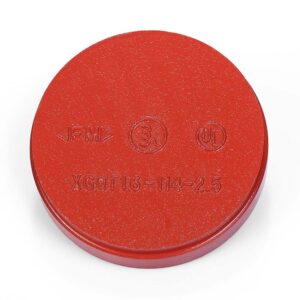
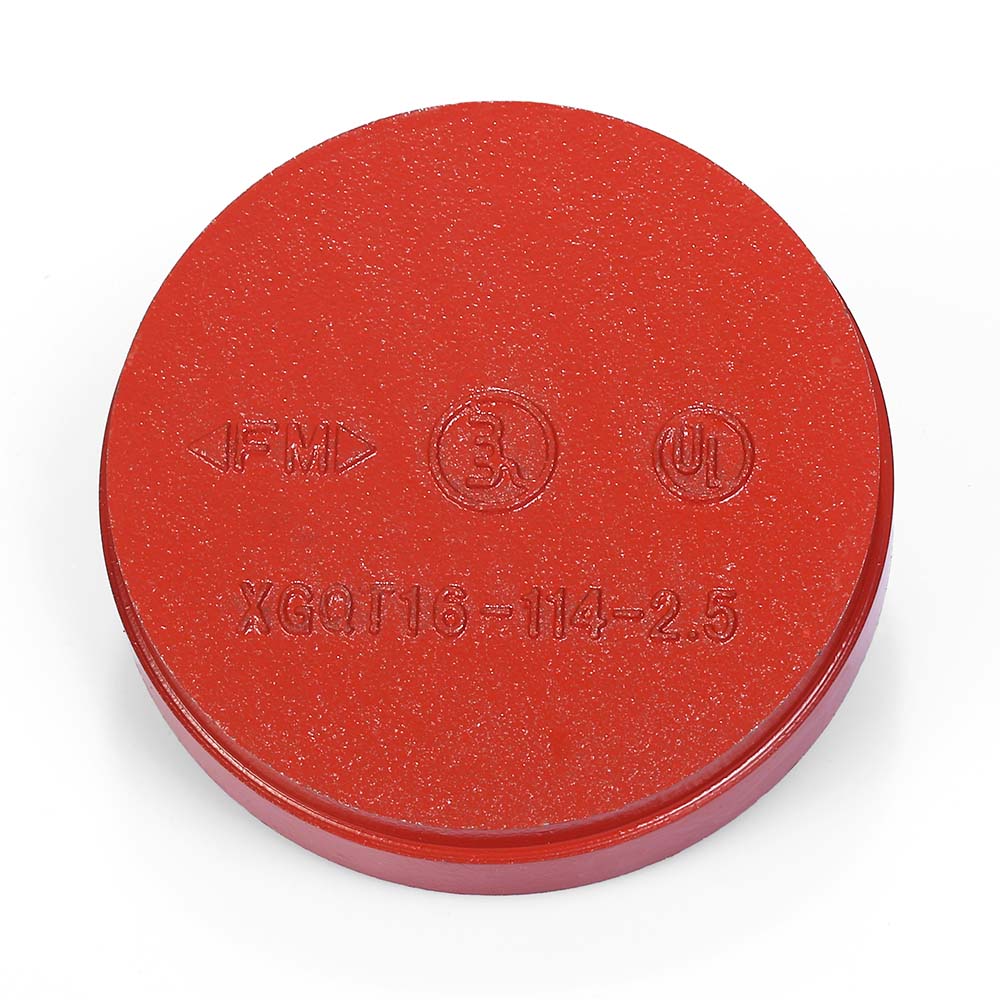
No. The cap, coupling, groove dimensions, gasket, pipe, supports, and pressure conditions must all suit the system. The VICAST Grooved End Cap XGQT16 is listed in 1¼–12 inch sizes (DN32–DN300), but its published size range does not establish approval for every possible pressure or service. A cap is also not a substitute for the valves, isolation points, or other measures required by the system design. Obtain the exact product documentation and project approval before closing a live or test-ready section.
What Should Be Verified Before a Cap Is Installed?
A closed pipe end can experience pressure-related axial forces. It should be treated as an engineered termination, not merely the last component on a shopping list.
Why Does End-Load Restraint Matter?
Pressure acts on the projected area of a closed end and produces an axial force. Its magnitude depends on the effective area and the design or test pressure. The joint and supporting arrangement must safely resist that force under the applicable system requirements. Do not assume that an ordinary support layout or a coupling selected for a straight through-joint automatically provides an adequate end restraint. The engineer should verify the approved design, relevant coupling instructions, and required anchors or restraints before the section is pressurized.
How Should the Cap, Coupling, and Pipe Be Matched?
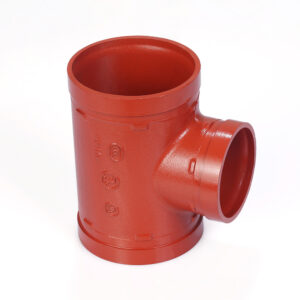
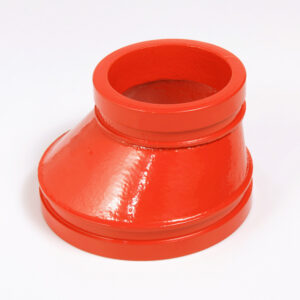
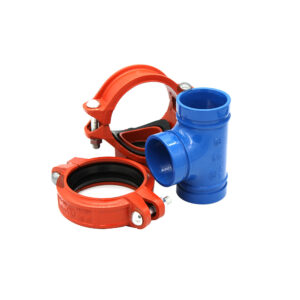
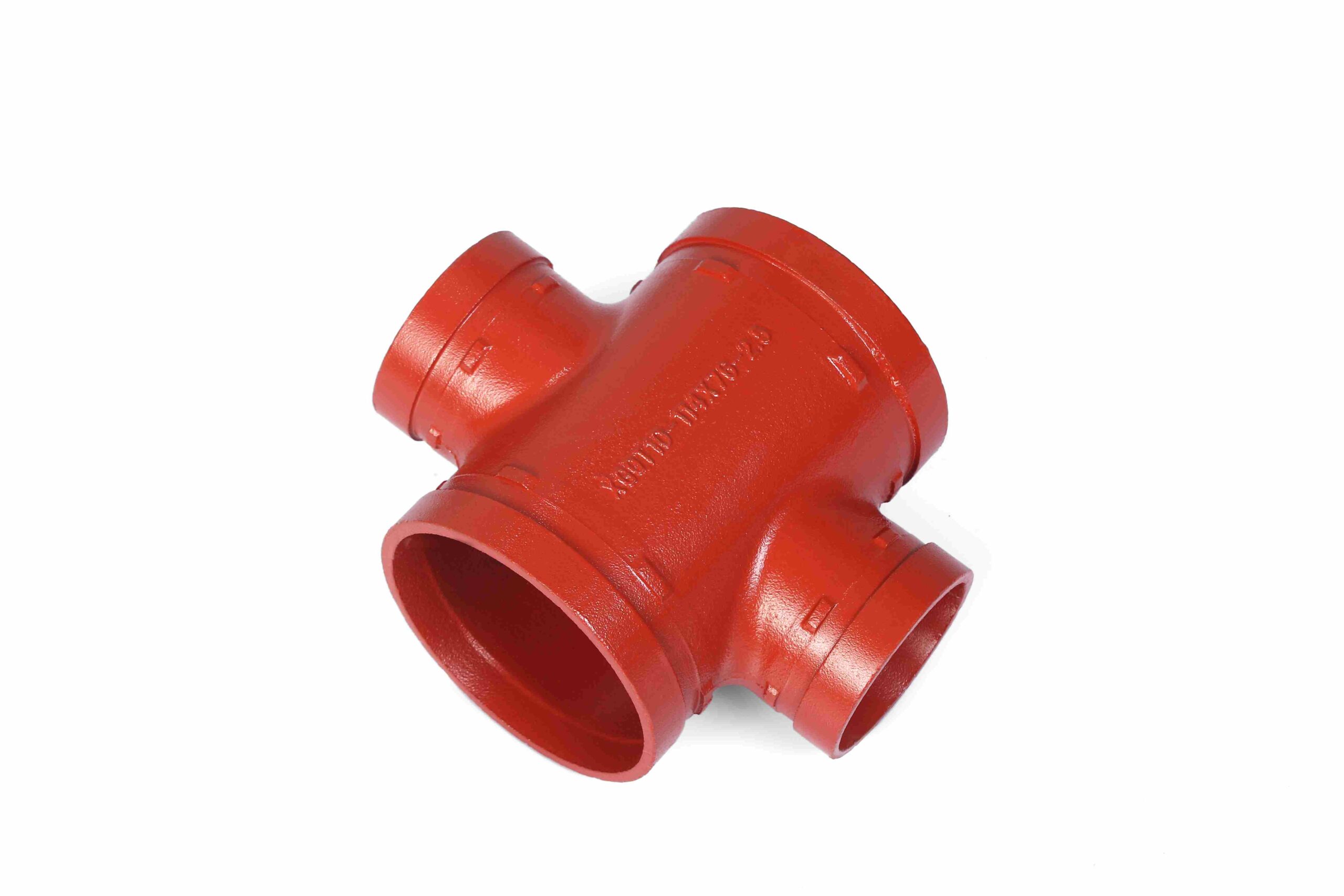
Confirm nominal and actual pipe size, pipe-end groove profile, gasket suitability, cap dimensions, pressure limits, and coating. Select a compatible accoppiamento a scanalatura for the cap-to-pipe connection and follow its specific assembly instructions. Inspect the cap and pipe sealing surfaces before the gasket is fitted; damage hidden under a housing may become apparent only at testing. The grooved connection fittings range is useful for viewing the surrounding fitting family, but component-level verification remains essential.
How Can the Future Extension Be Made Easier to Build?
A termination that works today may become costly to modify later if it is placed behind permanent building services or lacks a clear isolation plan.
Where Should the Future Connection Be Located?
Choose a location with access for safe isolation, drainage, disassembly, and the installation of the planned branch. Review ceiling closure, wall penetration, equipment clearances, and available space around the coupling housing. The future branch direction and the anticipated spool length may justify a different termination position. Where practical, mark the extension point on the current as-built drawing and identify the capped line clearly for maintenance personnel. A visible label does not replace an approved isolation and permit procedure.
What Documents Should Be Kept for the Next Phase?
Retain the approved drawing revision, component identification, pressure and gasket documentation, test records, and the intended expansion sequence. Note whether the closed branch contains water, another service fluid, or residual pressure. A future crew should not have to guess why the pipe ends at that point or whether an adjacent valve isolates it. Document any temporary restraints or supports and whether they will need redesign when the cap is replaced by a longer branch.
What Must Happen Before the Cap Is Removed Later?
The most important part of planning for a future extension is defining a safe reopening sequence while the system is still being designed.
Can a Bolted Grooved Cap Be Removed From a Pressurized Line?
No. A bolted mechanical joint must never be opened on the assumption that a nearby closed valve has removed all pressure. Follow an approved isolation and lockout procedure, verify zero pressure, drain or otherwise manage the contents, and confirm that the pipe section is safe to work on. A closed-end component may be subject to significant axial force while pressurized. Removal should be performed by qualified personnel under the site method statement, not as a quick maintenance shortcut.
What Should Be Checked After the Extension Is Connected?
Inspect groove condition, gasket seating, housing engagement, new supports, and any changes in the piping arrangement. Update the approved drawings and test the modified section under the applicable project procedure before return to service. VICAST’s hydrostatic test guidance discusses joint-testing considerations, although the relevant code and approved commissioning plan determine the actual test method and acceptance criteria. The new branch may also require revised hydraulic calculations or fire protection approvals.
Why Consider VICAST for Planned Pipe Terminations?
A clear model reference and verified documentation help purchasing teams specify a cap as part of a complete engineered joint.
Which Product Details Are Available?
VICAST offers grooved piping products for fire protection, HVAC, and industrial applications. Its XGQT16 end cap listing states a -20°F to +180°F (-29°C to +82°C) temperature range and references ASTM A536 Grade 65-45-12, ASTM A395 Grade 65-45-15, ISO 6182, AWWA C606, and GB 5135.11. Buyers should still request the pressure data, gasket details, compatible coupling instructions, and approval documents needed for the exact termination and its future extension.
Conclusione
Grooved end caps can support phased construction when the capped line is a designed and documented part of the system. Select the end cap and coupling for the actual service, check end-load restraint, keep the connection accessible, and record how it will be isolated and reopened. Planning those details at the first installation stage makes the future extension easier to execute without compromising the current system’s safety.
Domande frequenti
1. Is a grooved end cap intended only for temporary use?
No. A properly specified cap can close a pipe end for the intended service period, provided the complete joint and system meet their design requirements.
2. Does an end cap need additional pipe restraint?
It may. The engineer must evaluate pressure-induced end load, the coupling arrangement, supports, and any required anchors or restraints for the particular system.
3. Can an installer remove an end cap after shutting the nearest valve?
A closed valve alone is not proof of a safe condition. Follow the approved isolation procedure, verify zero pressure, and manage retained fluid before disassembly.