
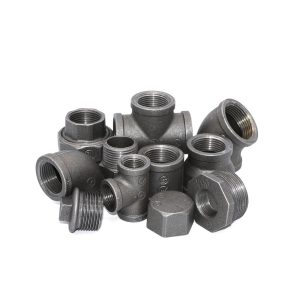
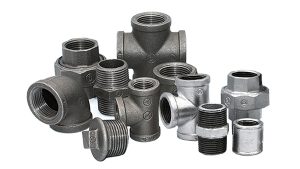
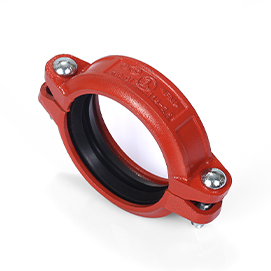
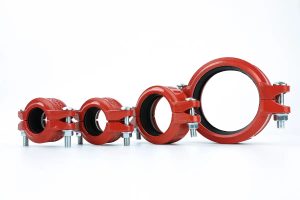
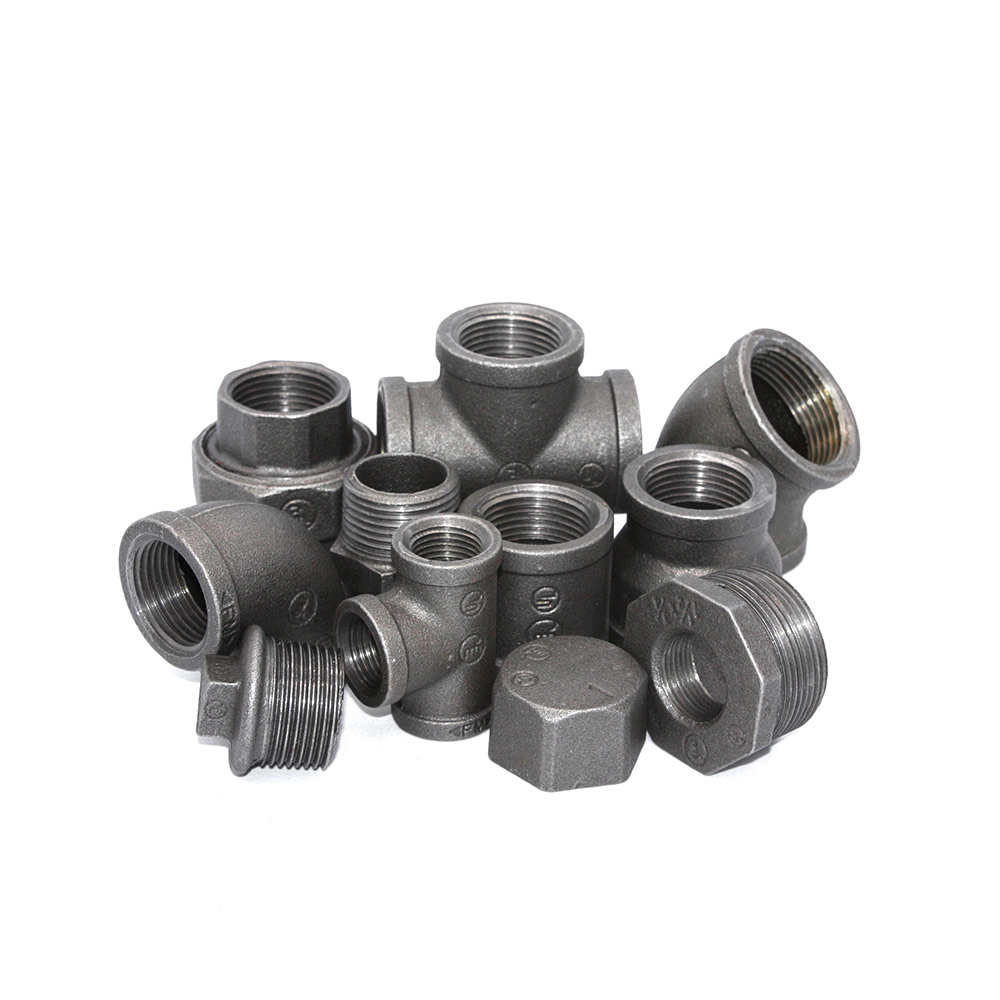
Compressed air systems keep the wheels turning in just about every manufacturing plant out there, feeding torque wrenches, cylinders, conveyors, and every other pneumatic device on the floor. The role of accesorios de tubería de hierro malleable in compressed air systems for manufacturing plants comes down to being the tough, threaded workhorse that ties black iron pipe together and takes the daily beating of 120–150 psi, constant vibration, and the occasional slug of condensate without popping loose or rusting out overnight. Elbows, tees, unions, couplings, reducers—these are the pieces that make the drops to each station and keep the whole network from bleeding pressure.
Understanding Malleable Iron Pipe Fittings in Compressed Air Contexts
Malleable iron fittings start life as whiteheart castings, then get annealed long and slow until the carbon turns into those little graphite clusters that give the stuff its give. That heat treat is what separates them from regular gray iron—gray iron snaps, malleable bends a hair before it lets go. End result is a Class 150 fitting good for 300 psi on paper at ambient temp, Class 300 when the boss wants overkill on smaller sizes. Threaded NPT every time, so they screw right into schedule 40 black iron pipe that most plants still run.
Walk into any older shop and the overhead headers are black iron with malleable fittings every branch and turn. The union right after the compressor room lets the maintenance crew break the line without cutting pipe when the dryer’s getting swapped. Tees drop air straight down to the assembly benches. The annealed body eats the vibration from the 50-ton press running next door instead of cracking like cast iron would.
Black fittings go in dry service lines. Galvanized gets spec’d wherever the air cools off and dumps water—roof-mounted compressors in summer, long runs along cold walls in winter. Threads bite deep, torque holds, and the zinc buys years before any rust flake ever reaches a valve or tool.
Key Roles and Advantages of Malleable Iron Fittings in Manufacturing Compressed Air Systems
Malleable iron fittings do three main jobs in plant air: branch the flow, change direction, and give a break-in point for service. A couple 2-inch tees off the main header feed the two sides of the line, 1-inch drops come off 90-degree elbows clamped every six feet, and a union every 50-60 feet means the crew can isolate a section without shutting the whole plant down.
The real edge shows up in vibration-heavy floors. Stamping plants, die-casting shops, anywhere with big reciprocating equipment—the fittings take the shake day after day and stay put. Torque them once at install, check them once a year, and they still seal. Leak surveys on systems ten years old routinely show the threaded malleable joints holding better than some of the welded steel sections.
Pressure spikes from quick-acting valves don’t faze them. Class 150 stuff carries a 4:1 safety factor at 150 psi operating, so a 200-psi kick from a bad actuator doesn’t blow the joint. Galvanized versions keep rust from forming inside the pipe where condensate sits over the weekend—common headache with plain black fittings once the pipe gets a few years on it.
Applications in Manufacturing Plants: Where Malleable Iron Fittings Excel
Auto assembly lines live on malleable drops. Every station has a 1/2-inch or 3/4-inch hose reel fed from a malleable elbow and union right off the main. When the line gets re-balanced, maintenance pulls the union, swings the drop to the new position, screws it back—job done in an hour instead of a shift.
Food plants run galvanized malleable all the way to the packaging room actuators. Washdown every night, humidity always high—the zinc keeps the fittings looking new and stops any rust flakes from hitting product. Unions every zone let sanitation crews isolate and drain without killing air to the whole building.
Metal fab shops use reducers right at the tool—drop from 2-inch header to 1-inch, then a short nipple and malleable 90 down to the grinder station. The reducer takes the turbulence instead of the pipe wall, and the malleable body shrugs off the inevitable wrench drop from the top of a ladder.
Chemical plants tie control valve air sets together with malleable crosses and tees. Even with a little solvent vapor in the air, galvanized fittings hold up long enough to get scheduled replacement instead of emergency calls at 2 a.m.
Install is straightforward: wire-wheel the pipe threads, two wraps of Teflon or good brush of dope, hand tight plus one-and-a-half to two turns with the wrench—30-40 ft-lbs on 1-inch, 50-60 on 2-inch. Hit the system with 150 psi soap test same day and fix any weepers before the paint crew shows up.
Preventing Common Issues: Maintenance and Best Practices for Malleable Iron in Compressed Air
Biggest headache is condensate sitting in low spots and eating black fittings from the inside. Fix is simple—pitch the mains 1 inch in 10 feet toward a drip leg, auto-drain the receiver and every low point, and run galvanized malleable wherever water is guaranteed. Second killer is vibration walking bolts loose. Clamp the pipe solid, check torque once a year, and the joints stay sealed.
Rust flakes breaking off and killing solenoid valves—another classic. Galvanized fittings plus a decent coalescing filter upstream keeps the air clean enough that valves last their full rebuild interval instead of choking at 18 months.
Never mix copper and galvanized without a dielectric union—lesson learned the hard way in plenty of shops. Keep the system all iron or isolate properly and the fittings give decades instead of headaches.
Comparing Malleable Iron Fittings to Alternatives in Manufacturing Settings
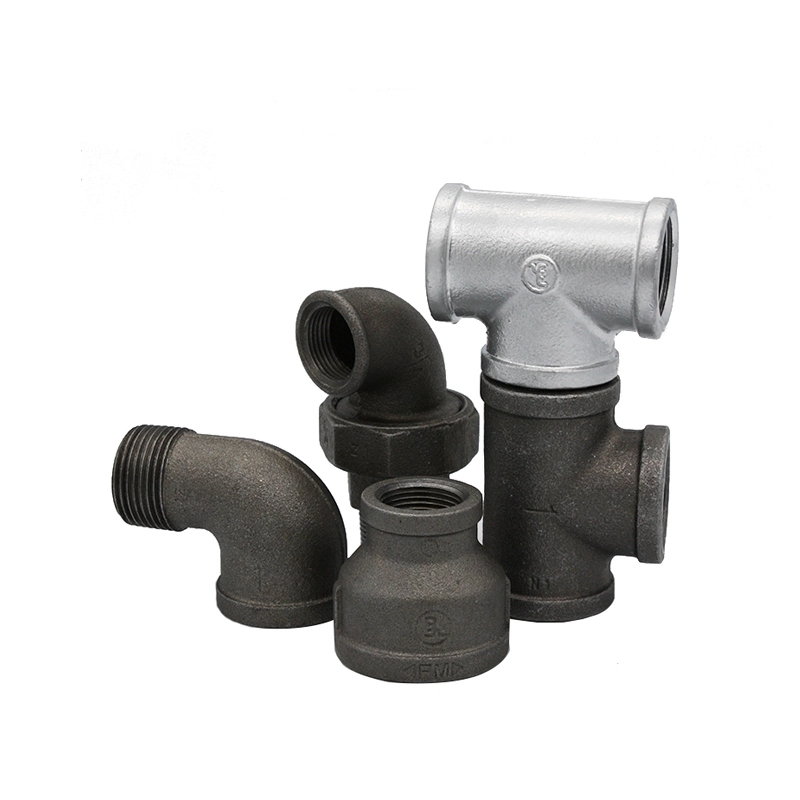
Black steel fittings rust faster once the inside film goes. Malleable gives the same pressure rating with better shock resistance and the option of galvanizing.
Aluminum drops weight and kills corrosion, but one good whack with a forklift tine and the fitting cracks. Malleable takes the hit and keeps sealing. Price difference usually pays for itself in repair calls on aluminum systems in rough shops.
Copper looks pretty and stays clean, but theft and cost push most plants back to iron for anything over small control air runs.
Stainless wins where aggressive chemicals ride the air, but for standard shop air it’s massive overkill. Malleable iron hits the sweet spot on cost, toughness, and availability for 90% of manufacturing plants still running black iron headers.
Real-World Case Studies from Manufacturing Plants
Southeast Asia tier-one auto supplier swapped all branch fittings to malleable unions and galvanized tees five years ago. Leak rate dropped from 18% to under 2%, energy bill on compressors came down enough to pay for the changeout in fourteen months.
European dairy plant runs galvanized malleable all the way into the packaging hall. Yearly audits show zero rust-related valve failures since the switch eight years back, even with nightly CIP washdown cycles.
Midwest heavy truck axle plant runs 2-1/2-inch headers with malleable reducers at every press. Vibration is brutal—ten 800-ton presses cycling all shift—and the fittings still test leak-free at annual shutdowns after twelve years in service.
Introduction to Hebei Jianzhi Foundry Group Co., Ltd.
Hebei Jianzhi Fundición Grupo Co., Ltd., started back in 1982, covers a million square meters and runs about 4,500 people including 350-plus engineers. National high-tech shop, helped write six national standards and over 200 patents on the books. ISO 9001 and 14001 certified, ships fittings to more than 100 countries worldwide, known for turning out heavy-duty cast iron goods that keep plants running.
Conclusión
Malleable iron pipe fittings remain the go-to threaded connection for manufacturing compressed air systems because they take abuse, seal tight, and cost less than the fancy alternatives over the long haul. Spec them right, install them solid, maintain the water knockout, and the air system stays up while everything else gets the work done.
Preguntas frecuentes
Are malleable iron pipe fittings safe for compressed air systems in manufacturing plants?
Malleable iron pipe fittings stay plenty safe in manufacturing plant compressed air when you stick to Class 150 or 300 ratings—300 psi on the ticket gives a solid margin over normal 125-150 psi running pressure. Annealed body laughs at vibration that would crack gray iron, and galvanized versions keep rust out of the tools downstream.
How do malleable iron fittings prevent leaks in factory compressed air lines?
Malleable iron fittings stop leaks cold with deep NPT threads and proper wrench turns—usually hand tight plus one-and-a-half to two flats. Clean threads, good dope or tape, and a 150 psi soap test right after install catches any weepers before the line goes live. Unions every zone make fixes quick without cutting pipe.
What makes malleable iron fittings better than aluminum for high-vibration manufacturing environments?
Malleable iron fittings eat vibration for breakfast in high-shake environments—stamping plants, foundries, anywhere big iron moves. Aluminum cracks when the forklift backs into it; malleable takes the dent and keeps sealing, all at half the price per fitting.
Can galvanized malleable iron fittings handle moisture in compressed air systems?
Galvanized malleable iron fittings handle condensate without turning into rust flakes, exactly what you need when the air cools overnight and dumps water in the low spots. Zinc burns off before the iron does, keeping the inside of the line clean for years longer than black fittings.
How to choose malleable iron fittings for a manufacturing plant’s compressed air upgrade?
Pick Class 150 malleable iron fittings for any standard 150 psi max system, jump to Class 300 on 2-inch and smaller if the compressor can spike higher. Run galvanized wherever condensate shows up, black in bone-dry aftercooler runs, and always throw a union in every branch so the next layout change doesn’t mean a full weekend shutdown.