
La mayoría problemas de fundición No aparezcas de repente. Construyen en silencio, durante revisiones de diseño que se ejecutan demasiado rápido, durante ajustes de proceso que se sienten inofensivos o durante rampas de producción donde el rendimiento importa más que la disciplina.
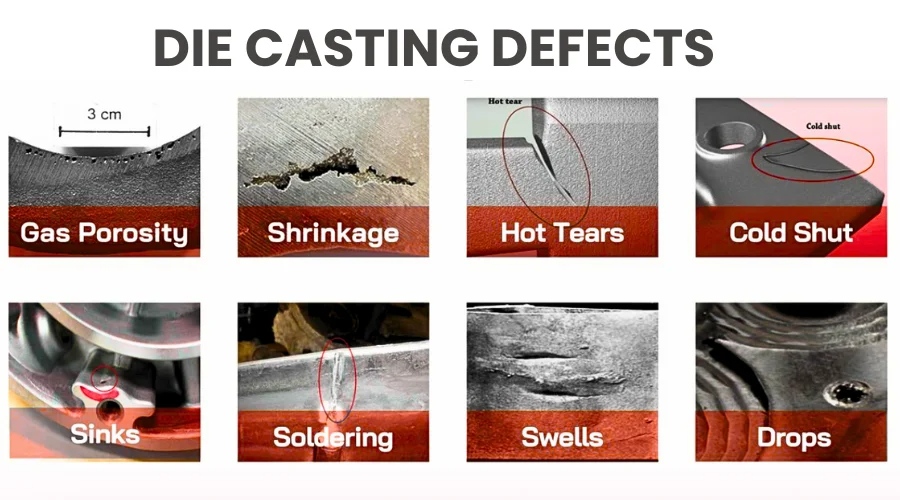
Contracción, porosidad, inclusiones, grietas.
Todos en la industria conocen los nombres. Menos personas están de acuerdo en por qué siguen sucediendo.
Este artículo no es un catálogo de definiciones de defectos. Es una mirada práctica de dónde realmente vienen estos fallos, cómo a menudo se diagnostican erróneamente, y Lo que se puede hacer antes—a veces mucho antes— para evitar repetir los mismos problemas a través de los proyectos.
El enfoque se mantiene en la resolución de problemas y el juicio de procesos, no en la metalurgia de libros de texto.
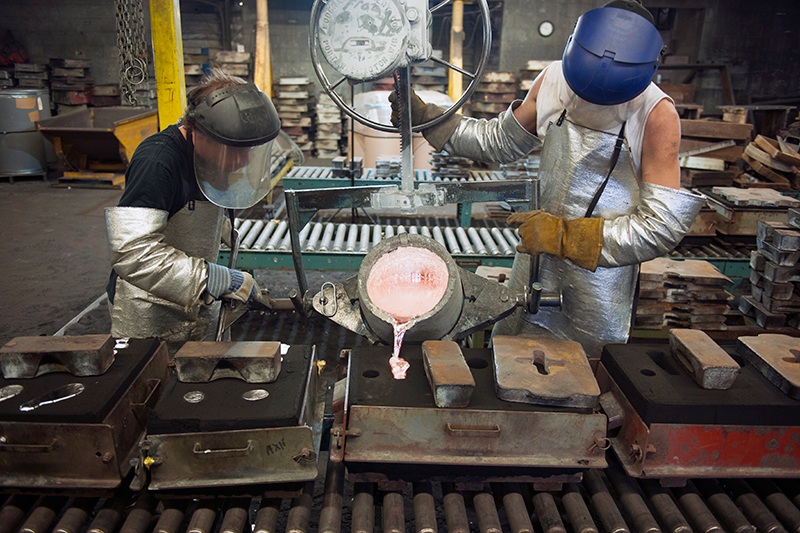
Por qué los defectos de fundición son generalmente un problema de proceso, no un problema material
Es tentador culpar al metal. La química es medible. La disciplina del proceso no lo es.
En realidad, la mayoría de los fallos se remontan a decisiones tomadas antes de la primera fusión: elecciones de geometría, suposiciones de alimentación, atajos de puerta o presión de programación. Una vez que el metal es líquido, muchos resultados ya están bloqueados.
Un patrón común aparece en todas las industrias:
Las piezas se rediseñan para el peso o el costo, las herramientas se ajustan para mantener el ritmo, y de repente aparecen defectos que “no estaban allí antes”.
Estuvieron allí. Sólo espero.
Contracción: Cuando la lógica de la alimentación se rompe
Las cavidades de contracción rara vez son misteriosas. Ocurren cuando las rutas de solidificación son mal entendidas o ignoradas.
Las secciones gruesas se enfrían por último. Esa parte es obvia.
Lo que es menos obvio es la frecuencia con que los ascensores se dimensionan para la teoría, no la realidad.
En la práctica, la contracción tiende a aparecer cuando:
- Las transiciones de sección son más agudas de lo esperado
- Los supuestos de distancia de alimentación se copian de las partes anteriores
- Los objetivos de rendimiento anulan silenciosamente los márgenes de seguridad
Las soluciones a corto plazo – elevadores más grandes, escalofríos adicionales – pueden ayudar. Pero a menos que se corrija la secuencia de solidificación, el mismo problema vuelve después del siguiente ajuste de diseño.
Es por eso que la coordinación temprana entre la geometría de la pieza y la estrategia de alimentación es más importante que cualquier cálculo único.
A veces la solución más barata es admitir que la forma de la pieza está luchando contra el proceso.
Porosidad de gas: un síntoma de muchos padres
Los defectos relacionados con el gas a menudo se tratan como un problema de fusión. La desgasificación es culpada. La humedad es culpada. Los operadores son culpados.
A veces se lo merecen, pero a menudo no lo hacen.
La porosidad a menudo proviene de una combinación de factores que se alinean simplemente mal:
llenados más lentos, moldes más calientes, aberturas de ventilación más estrechas o tratamientos superficiales que cambian la permeabilidad.
Un desencadenante pasado por alto es la excesiva confianza.
Los procesos que han estado limpios durante años pueden derivar lentamente hasta que el margen desaparece.
Cuando la porosidad aparece intermitentemente, rara vez es aleatoria. Por lo general significa que varias tolerancias pequeñas se apilan juntas.
La solución no siempre es más equipo.
A veces simplemente se ralentiza y se pregunta qué cambió en silencio.
Inclusiones: Cuando se asume la limpieza en lugar de verificarla
Las inclusiones rara vez se anuncian temprano. Esperan hasta el mecanizado, las pruebas de presión o la inspección final.
Para entonces, el costo ya está horneado.
A menudo entran en el sistema a través de lugares donde la gente deja de mirar:
cucharas que “se ven bien”, filtros que se reutilizan un ciclo demasiado largo, o sistemas de puertas que ya no están alineados con el comportamiento real del flujo.
Un patrón aparece repetidamente en las autopsias:
El proceso estaba limpio, hasta que el volumen aumentó.
Un mayor rendimiento aumenta cada acceso directo.
El metal limpio no es un solo paso. Es un hábito que debe sobrevivir a la presión del horario.
Cracking: el estrés encuentra el momento más débil
Las grietas no siempre significan que la aleación haya fallado. A menudo significan que el tiempo falló.
El desgarro en caliente y el agrietamiento en frío viven en extremos opuestos de la curva de enfriamiento, pero ambos están influenciados por la restricción, interna o externa.
Esquinas afiladas, núcleos rígidos, enfriamiento desigual.
Estas son decisiones de diseño, no accidentes en el taller.
La grieta se vuelve más probable cuando los gradientes térmicos se subestiman o cuando la retención de la parte se trata como inevitable en lugar de ajustable.
Las buenas fundiciones pasan más tiempo preguntando cuándo se desarrolla el estrés que dónde aparece.
El papel silencioso de las decisiones de diseño
Muchos defectos ya son inevitables en el momento en que se acaba la herramienta.
Saltos de grosor de pared, ubicaciones inaccesibles de ascensores, concesiones de mecanizado que ignoran el comportamiento de solidificación: estas opciones no causan problemas inmediatamente. Los causan más tarde.
Aquí es donde la prevención de defectos se superpone directamente con la planificación de costos y procesos.
Una pieza que se ve bien en papel puede ser costosa para mantener libre de defectos a escala.
Si está evaluando diferentes rutas de proceso o compromisos de geometría, esta discusión se conecta estrechamente con la cuestión más amplia de cómo las opciones de fundición influyen en la fabricabilidad y el riesgo, que se cubre con más detalle en
[Cómo elegir el proceso de fundición adecuado para componentes industriales y evitar las trampas comunes]
Cuanto antes se entiendan estos enlaces, menos “defectos misteriosos” aparecen aguas abajo.
La prevención comienza antes de la simulación
La simulación ayuda. No sustituye al juicio.
Muchos fallos recurrentes ocurren en proyectos donde los resultados de simulación son técnicamente correctos pero prácticamente incompletos. Se simplifican las condiciones fronterizas. La variabilidad del mundo real es ignorada.
Los ingenieros experimentados tratan la simulación como un inicio de conversación, no como un veredicto.
Todavía preguntan:
- ¿Qué sucede si la velocidad de llenado varía ligeramente?
- ¿Y si la arena se comporta peor de lo esperado?
- ¿Y si la producción impulsa el tiempo de ciclo?
La prevención de defectos vive en estas preguntas incómodas.
Escenarios del mundo real que se repiten en todas las industrias
Una carcasa de sección pesada que mecaniza fino, hasta que un menor cambio de geometría introduce contracción cerca de un jefe.
Un componente de presión que pasa las pruebas de fuga a bajo volumen, hasta que la porosidad se arrastre durante el aumento.
Una pieza que se agrieta solo en la producción de invierno, porque las condiciones ambientales cambiaron silenciosamente el comportamiento de enfriamiento.
No son casos exóticos. Son normales.
Lo que separa a los proveedores fiables no es evitar todos los defectos, sino reconocer los patrones lo suficientemente pronto como para dejar de repetirlos.
Donde el control de procesos realmente da sus frutos
La inspección detecta problemas. No los impide.
El control real proviene de una práctica estable de fusión, una preparación consistente del molde, estándares disciplinados de apertura y bucles de retroalimentación que no dependen solo de la chatarra.
Pequeñas correcciones, realizadas temprano, se convierten en grandes ahorros más tarde.
Y cuando aparecen defectos, la pregunta cambia de "¿Quién causó esto?" a "¿Qué suposición falló?"
Ese cambio de mentalidad importa.
Acerca de Hebei Jianzhi Foundry Group Co., Ltd.
Hebei Jianzhi Fundición Grupo Co., Ltd. se centra en fundiciones industriales donde la consistencia, la estabilidad del proceso y el rendimiento a largo plazo importan tanto como cumplir con las especificaciones dimensionales.
Con experiencia en diferentes aleaciones, complejidades de piezas y escalas de producción, la compañía hace hincapié en la alineación de procesos en las etapas tempranas, ayudando a los clientes a reducir el riesgo a continuación en lugar de reaccionar a los defectos después de que aparezcan.
Este enfoque refleja una comprensión más amplia: la prevención de defectos no es una solución única, sino un sistema construido con el tiempo.
Conclusión
Los defectos de fundición rara vez son sorpresas.
Son consecuencias retrasadas.
La mayoría de los fracasos se pueden remontar a suposiciones que parecían razonables en ese momento. Cambiar ese resultado no requiere perfección, solo decisiones más tempranas y honestas.
Cuando el diseño, el proceso y las expectativas se alinean, las tasas de defectos caen naturalmente.
No a cero. Pero lo suficientemente bajo como para dejar de dominar la conversación.
Preguntas frecuentes
¿Por qué siguen apareciendo los mismos defectos incluso después de los ajustes del proceso?
Porque la causa raíz a menudo se encuentra aguas arriba. Las correcciones locales ayudan, pero no reescriben las suposiciones originales.
¿Los defectos de fundición son más comunes en volúmenes mayores?
No inherentemente, pero un mayor volumen reduce la tolerancia a la deriva. Pequeñas variaciones que antes eran inofensivas se vuelven visibles.
¿Puede una mejor inspección eliminar fallas de fundición?
La inspección detecta los problemas más rápidamente. No los impide. La prevención vive más temprano en el proceso.
¿Cuándo deben discutirse los riesgos de defectos con los proveedores?
Antes de finalizar la herramienta. Después de eso, las opciones se estrechan rápidamente.
¿La simulación es suficiente para evitar defectos?
La simulación es útil, pero funciona mejor junto con la experiencia y el juicio conservador.