
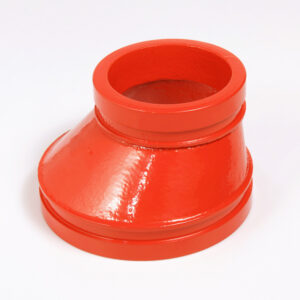
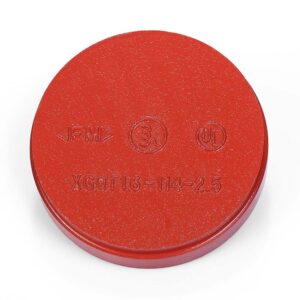
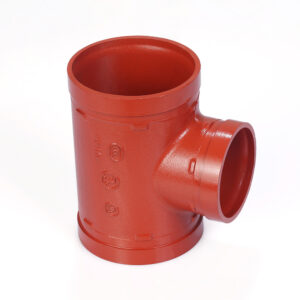
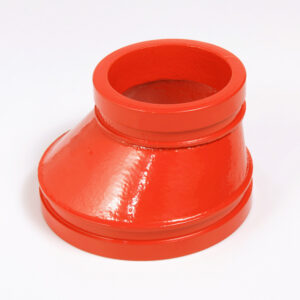
Grooved joint misalignment often happens in industrial pipe retrofits. It usually comes from structural differences, mechanical pressure, or mistakes in the installation process. When you add new grooved systems to old setups, even tiny shifts in position can cause leaks, shaking, or early wear on parts. You need to know the main reasons for this. That way, you can keep the system working well and avoid expensive fixes later.
Inaccurate Pipe Cutting and End Preparation
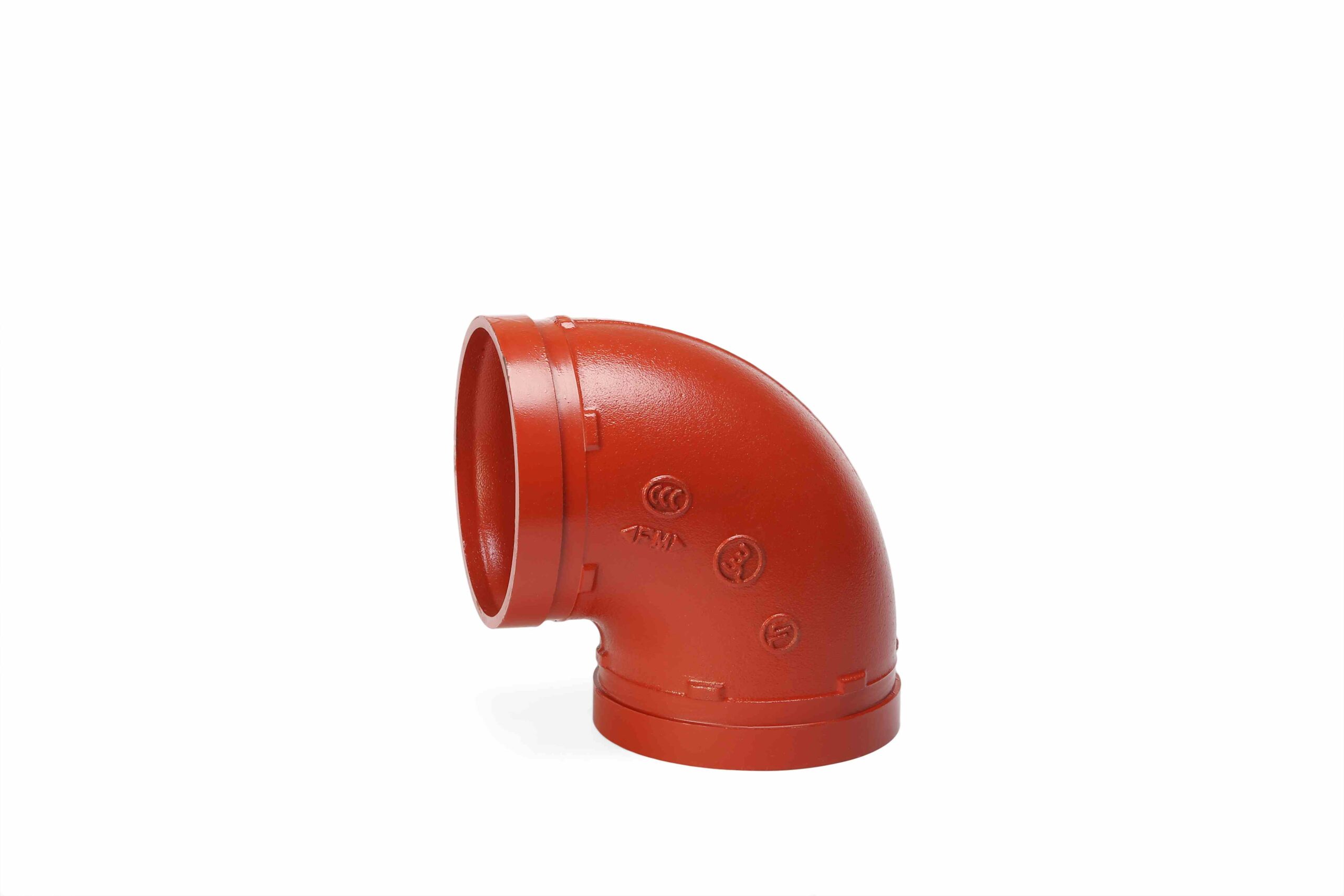
In retrofit jobs, poor pipe cutting leads to rough ends. These rough ends make it hard for couplings to fit right. If the grooves do not match—maybe they are too deep or not deep enough—the coupling won’t sit properly. This results in side shifts or angle problems. A grooved flange works based on several things. For example, it depends on the material quality and how deep the grooves are. When grooves get cut wrong, the seal between pipes might break under pressure. Also, dirt or rough edges on pipe ends can stop the gasket from pressing fully. That weakens the seal.
Improper Support and Hanger Placement
Pipe supports help keep joints in line during use. Wrong hanger spacing causes bending. This bending creates angle issues at couplings. Supports that carry too much weight focus stress in certain spots. That speeds up wear near grooved joints. Plus, if thermal growth isn’t handled by flexible supports, slow changes happen over time. These changes twist the alignment and add mechanical strain.
Retrofitting Constraints and Legacy System Issues
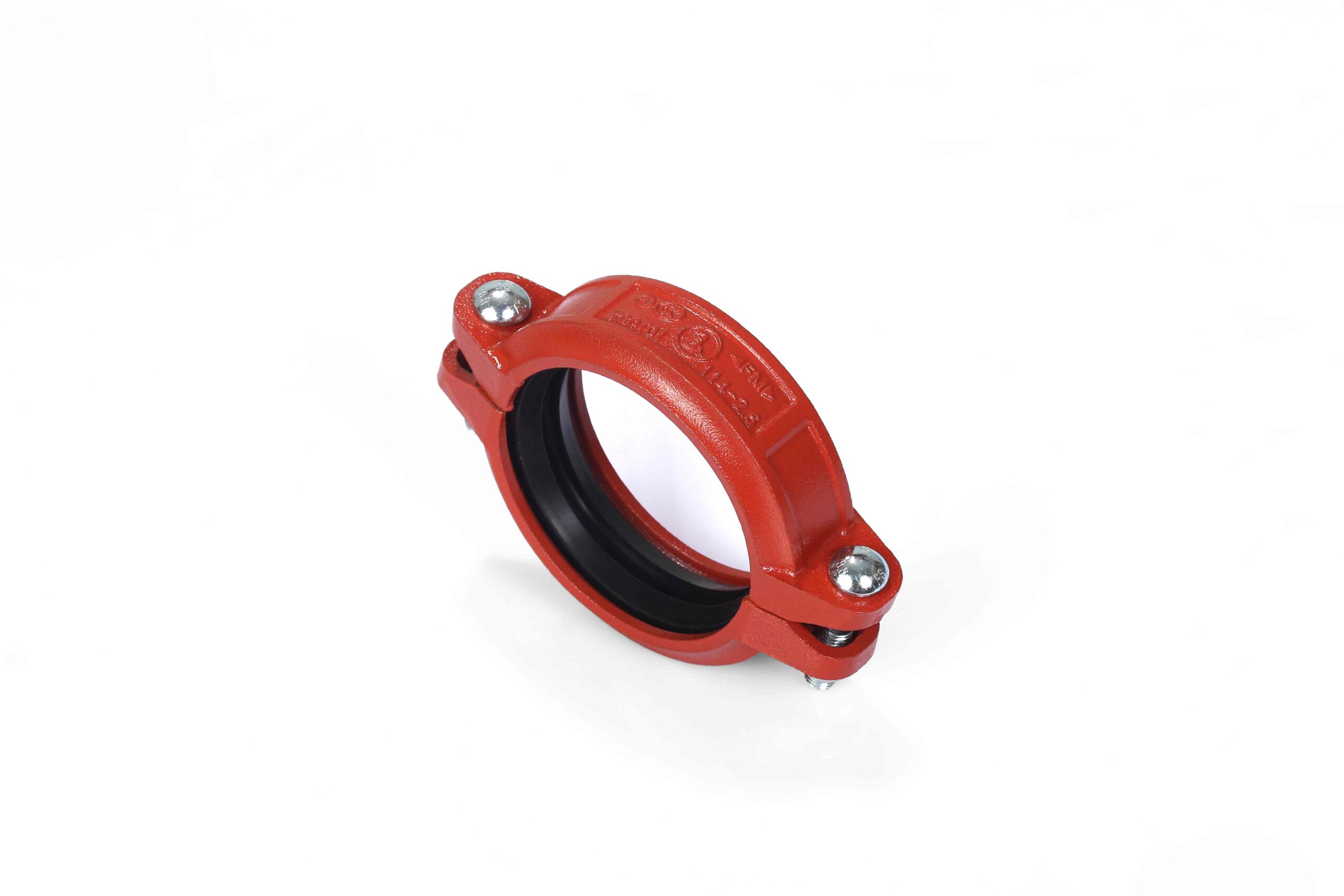
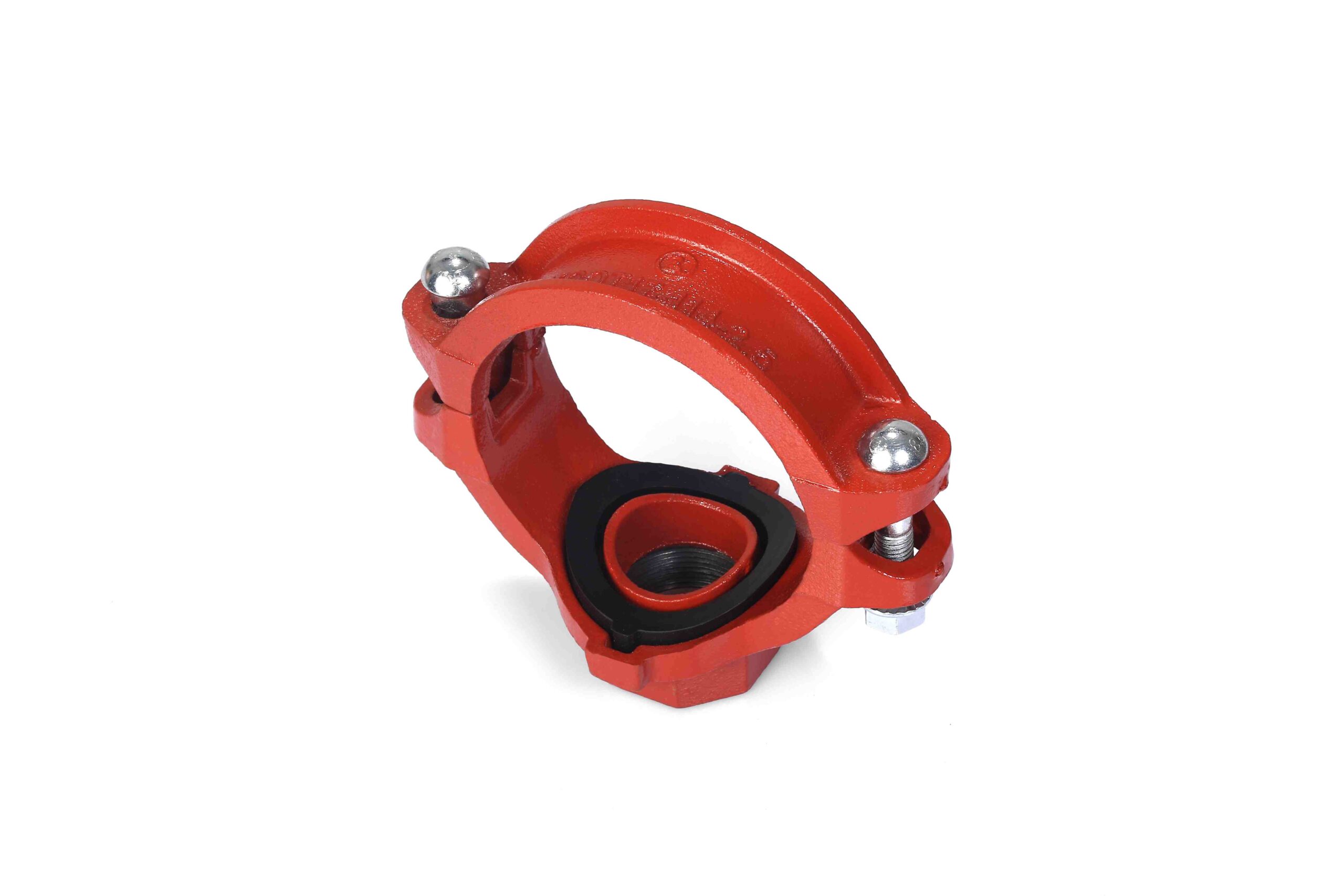
Old setups often limit space. This makes it tough to route pipes or space them ideally. Systems from the past followed different rules. Those rules do not match today’s grooved coupling limits. So, fitting in new parts gets tricky. Our rigid grooved coupling provides a robust and efficient solution for connecting pipes in a variety of applications, including HVAC, fire protection, and industrial systems. Tight spaces in retrofits also hinder exact assembly angles. You see this a lot in crowded mechanical rooms or underground work.
How Can Engineers Diagnose Grooved Joint Misalignment Effectively?
Finding misalignment early matters a lot. It stops leaks and stops system downtime after startup. Engineers use simple visual checks and better tools to check grooved joint strength during retrofit steps.
Visual and Dimensional Inspection Techniques
Looking things over by eye is the basic way to spot problems. Inspectors check coupling gaps for uneven spaces or twists around the edge. Laser tools help measure side shifts and angle differences between pipes accurately. Even gasket pressure across the joint shows good seating. If something looks off, it points to bad fitting or dirt on seal areas.
Pressure Testing and Operational Monitoring
Water pressure tests check if joints hold up under stress. Leaks in these tests often mean alignment mistakes or gasket damage. Sensors for vibration near couplings find weak spots once the system runs. Watching temperature changes ongoing can show shifts from growth. These shifts slowly change alignment as time passes.
What Are the Proven Methods to Fix Grooved Joint Misalignment?
After spotting misalignment, fixes aim to bring back the right shape. They do this without hurting strength or stopping work too much.
Adjusting Coupling Position and Orientation
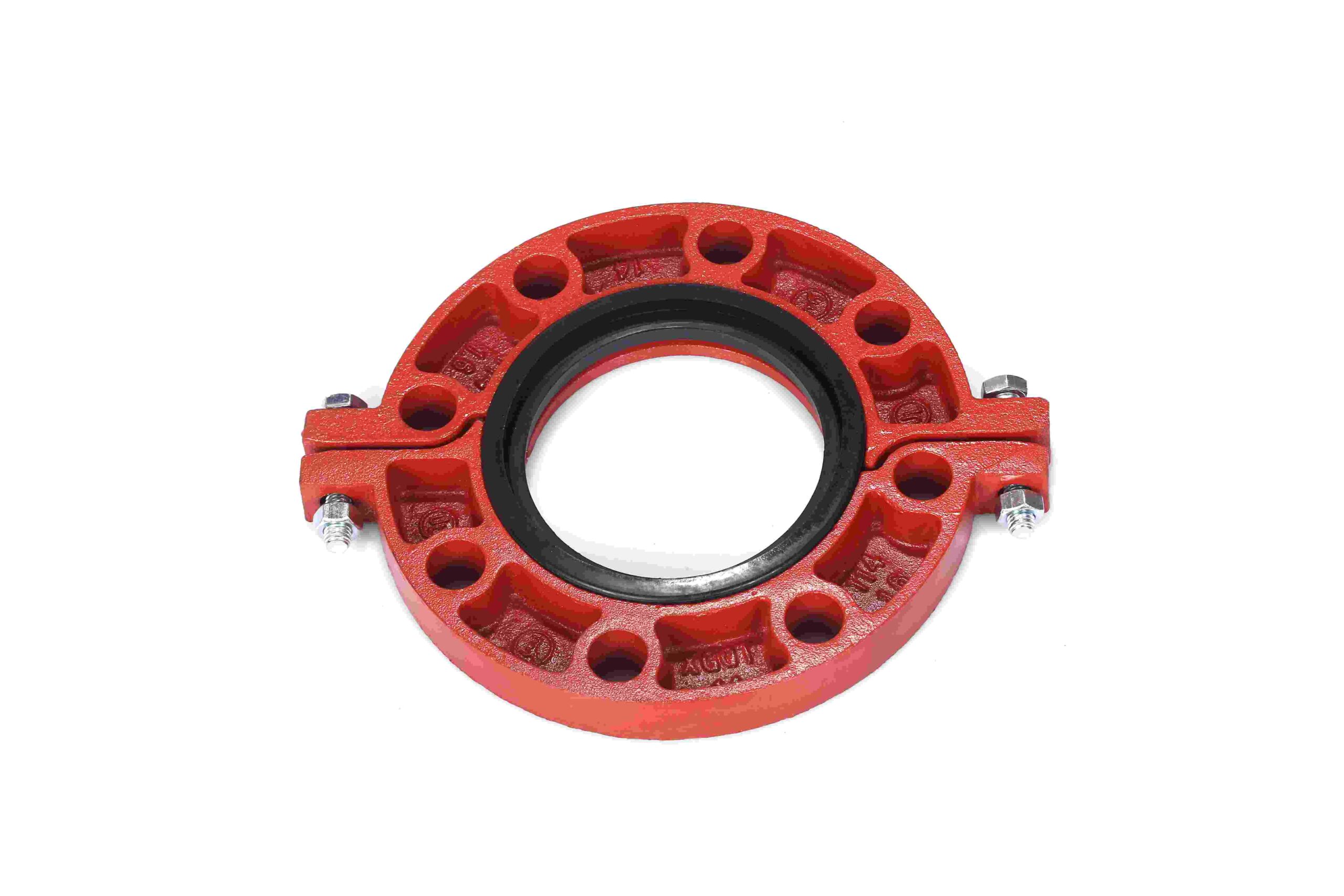
Fixing starts by easing couplings a bit. Then, move pipes to fit maker limits. Re-place gaskets evenly. After that, tighten bolts in a cross pattern for even pressure. Use special gauges to check how deep the coupling engages. This makes sure couplings like Our Adaptor Flange provides a robust and efficient solution for connecting pipes in a variety of applications, including HVAc, fire protection, and industrial systems. work well with changing pressures.
Reworking Pipe Supports and Alignment Controls
When bending affects the whole system, engineers redo hanger weight calculations. They base this on new pipe paths to spread forces evenly. Add supports that adjust easily. These let you tweak during fixes without taking apart big sections. In places with heat changes—like HVAC or water systems—extra flexible joints help. They cut down on movement effects after the retrofit.
Implementing Preventive Design Improvements for Future Retrofits
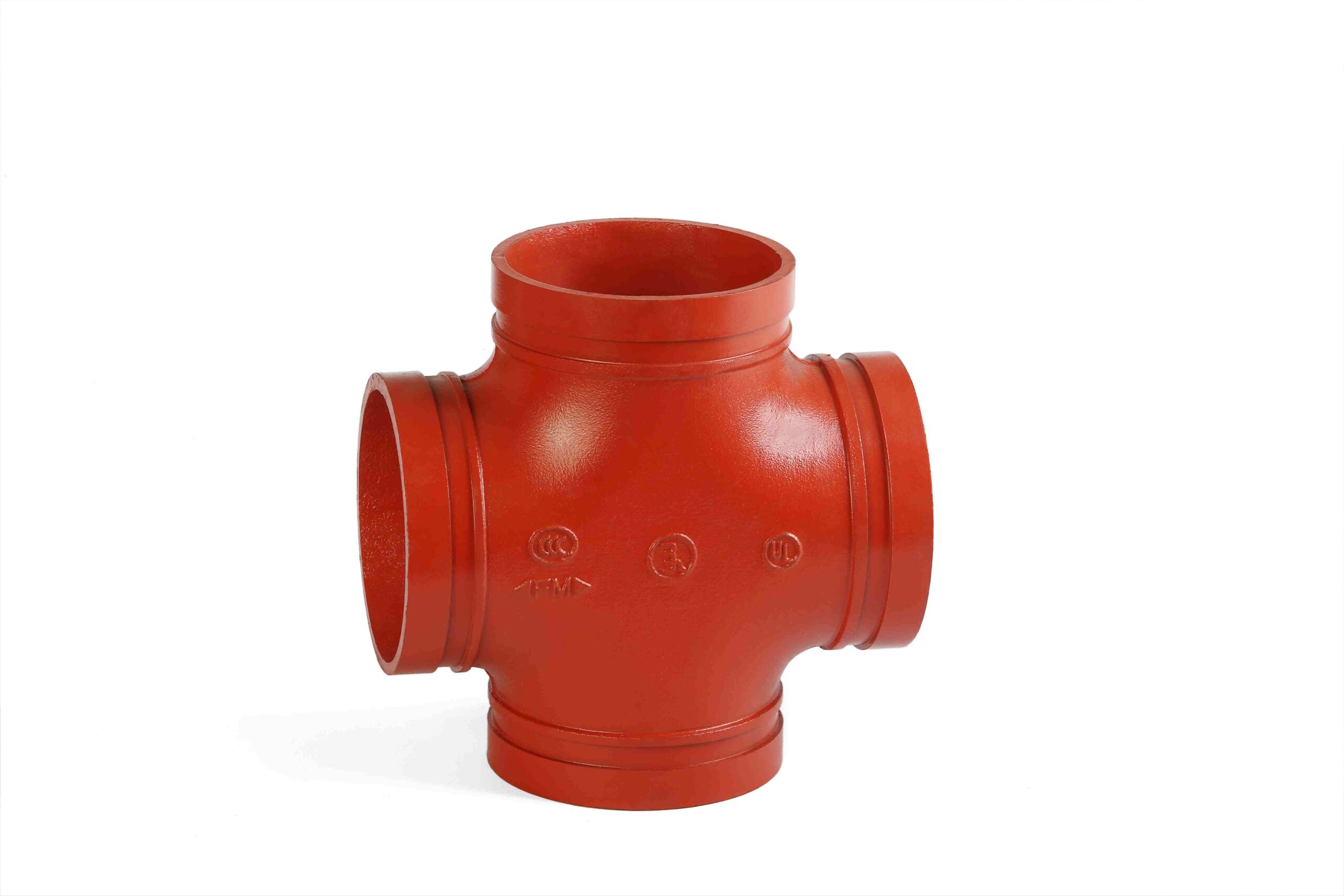
Success in later retrofits relies on planning ahead. Set stricter cutting limits. This matches new parts like Our Grooved Mechanical Tee Threaded provides a robust and efficient solution for connecting pipes in a variety of applications, including HVAc, fire protection, and industrial systems. Software for 3D models lets you test setups before real work. It spots clash areas or shift dangers early. Train install teams on torque rules too. This cuts down on differences in how things assemble at various sites.
Why Is Supplier Selection Critical for Reliable Grooved Pipe Systems?
Good installation matters, but lasting strength depends on part quality and steady supply. Picking makers who follow global rules ensures even work from all fittings in retrofit tasks.
Hebei Jianzhi Foundry Group Co., Ltd — A Trusted Source for Grooved Pipe Solutions
Hebei Jianzhi Gießerei Gruppe Co., Ltd shows top skill in making grooved pipes. They use exact casting methods and firm quality checks. The firm makes strong couplings for tough retrofit needs. These needs focus on exact alignment. Their know-how matches big names like Vicast®. That brand’s items last in changing pressure setups. This comes from meeting ASTM A536 Grade 65 45 12 material rules and ISO6182 design standards.
Key Takeaways from Managing Grooved Joint Misalignment in Retrofits
Handling grooved joint misalignment well needs a full plan. It mixes good finding methods with smart fixes. By fixing support setups and checking part quality from solid suppliers like Hebei Jianzhi Foundry Group Co., Ltd., engineers keep the structure solid. They do this through all retrofit work. At the same time, they lower risks of downtime from fix steps.
Häufig gestellte Fragen
What tolerance levels are acceptable for grooved joint alignment during retrofits?
Allowed limits change by coupling kind. But they usually permit small angle shifts—often under one degree. They also allow short side gaps between pipe ends. These stay within maker details.
Can grooved joint misalignment cause long-term operational issues?
Yes. Ongoing misalignment wears gaskets faster. It raises leak chances during pressure changes. It also causes shake-based wear. This can lead to early breaks in couplings or nearby supports as time goes on.
How can retrofit teams minimize misalignment risks before installation?
Teams should do test setups before real install. Use digital tools to check alignment ahead. Confirm groove sizes against rules like AWWA C606 or GB 5135.11. Also, check support spacing right. Do this before final tightening. Such steps ensure steady assembly rightness for every joint in the system.