
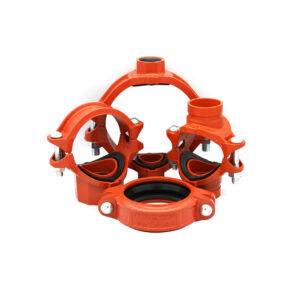
Two catalog pages can be an awkward way to decide between grooved couplings. The sizes may overlap and the temperature figures may match, yet somebody still has to say what the joint is meant to do on the drawing. With rigid, the prepared pipe ends are held in a fixed relationship. With flexible, movement is allowed within that model’s limits. That’s the distinction to take into a quotation discussion for HVAC, fire protection, or industrial pipework, before getting too far into the prices.
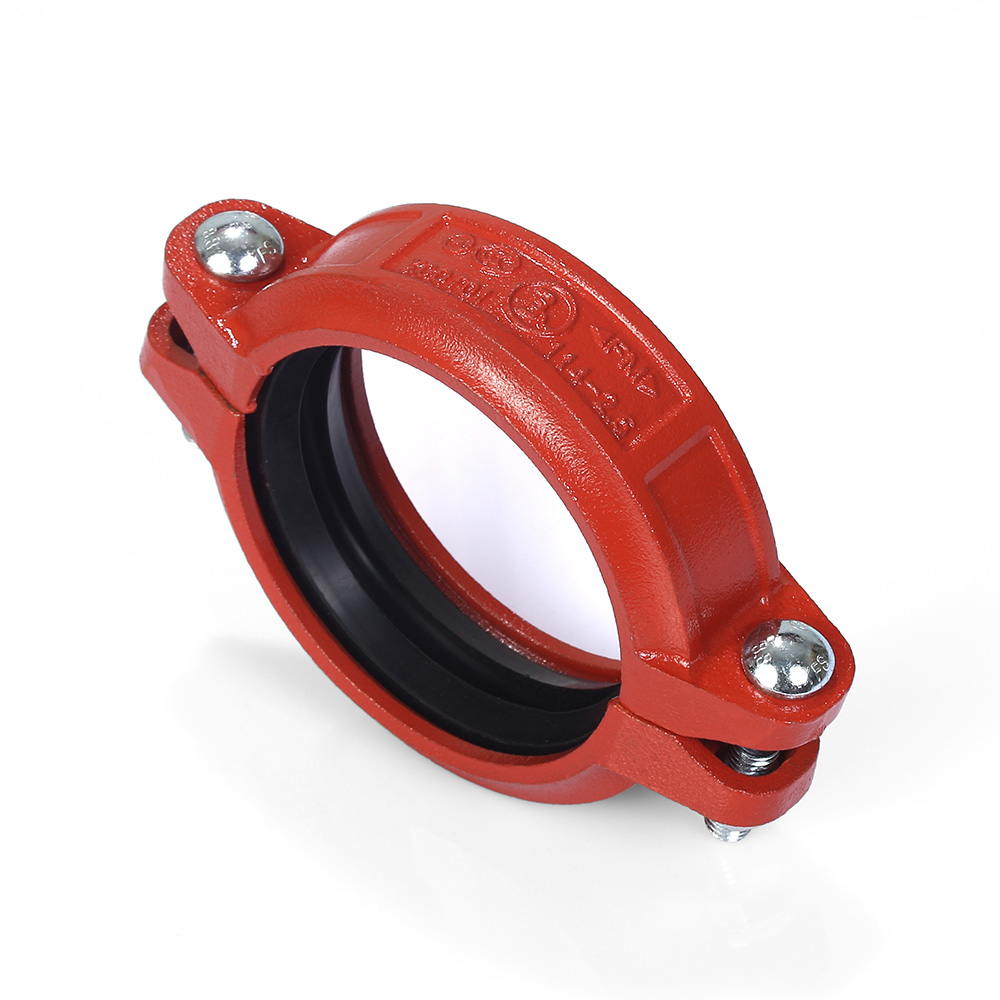
Where would you use a rigid coupling?
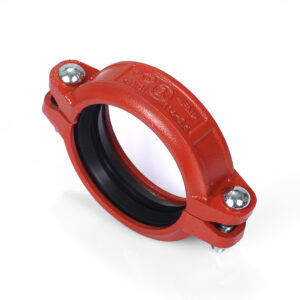
If the drawing already calls for a rigid joint, you have something definite to put in the inquiry. VICAST’s designation is XGQT01 ربط جامد. If the quotation just says "coupling", ask the supplier to add the designation. You can then check the quoted item against the drawing without guessing from its dimensions.
A straight run can make this seem more obvious than it is. You can see the pipe’s route, but that doesn’t tell you all the assumptions about its supports or the joints near equipment and valves. Those details are on the drawing too. Look them up before deciding that the shape of the run has already answered the coupling question.
There’s another limit to the word rigid. It doesn’t mean the bolts can be used to drag badly positioned pipe ends together. Alignment and the allowed end gap belong in the installation check, along with the groove dimensions.
What would make flexible the right choice?
Perhaps your drawing allows movement at a particular joint. That’s the point to bring into a discussion about XGQT02 ربط مرن. Give the supplier the requirement and ask for the data covering the proposed size. The label flexible alone won’t tell you the allowable amount.
An inquiry saying "some movement in the HVAC pipe" hasn’t given the supplier much to work with. There’s no location or amount in that description. Go back to the engineer for those details so the product can be compared with a real requirement. Taking a movement figure from some other flexible model would make the inquiry look more complete without answering the original question.
XGQT02’s listed applications include HVAC, fire protection, and industrial systems. These are useful categories when searching for a product. They aren’t instructions to use flexible couplings at every connection in those systems.
Why can’t you choose from the size range alone?
The listings for both models cover 1 to 12 inches (DN25 to DN300), so either range could look promising. Then there’s the OD column. On the tables supplied for these models, DN100 appears with 108 mm and 114.3 mm pipe diameters. Leaving the inquiry at DN100 means somebody else will have to ask which of those pipes you mean.
There are really two decisions here. You need dimensions that fit the pipe, and you need the joint behavior the designer has called for. One decision can’t do the work of the other. An offer could identify the correct OD and still propose the wrong type of coupling, or name the right type without confirming its fit.
For a replacement, send whatever pipe records are available and be clear about any dimensions still being measured. A photo may be helpful for showing where the joint is. Nobody can read a reliable groove diameter from that photo alone, though, so leave the measurement as a question until it’s been checked.
Which other catalog details deserve a closer look?
The two pages also give the same temperature range, -20°F to +180°F (-29°C to +82°C). That’s one reason a quick comparison can be misleading. You can tick off a matching temperature figure without getting any closer to the rigid-or-flexible decision on the drawing.
You will also find ASTM A536 Grade 65-45-12 and ASTM A395 Grade 65-45-15 among the material references on these pages. ISO 6182, AWWA C606, and GB 5135.11 appear for design. Take the offered item’s references back to your specification, especially if it names an edition. A list of standard numbers can look reassuring while still leaving a particular project requirement unanswered.
Pressure calls for a more specific answer than "up to" a figure remembered from a catalog. You need the rating for the model and size actually being quoted. If UL or FM is a project requirement, ask which documentation covers that item. A general statement about the manufacturer’s approvals doesn’t finish the check.
Ask what gasket comes with the quoted coupling. Include the medium and operating temperature in that question; the housing description leaves those details unresolved. If the supplier offers a different gasket, have its data reviewed before accepting the change.
What if the supplier proposes the other type?
First find out whether it’s a deliberate proposal. A flexible designation against a rigid requirement could be an alternative the supplier wants you to consider, but it might just have been copied from another offer. Until someone explains it, the nominal size alone won’t tell you what has happened.
Send the proposed model with the relevant layout to the engineer. Once a change is accepted, there are still two places to update it: the submittal and the purchase description. Leaving the old type on either document means somebody receiving the delivery will have to find out which version was intended.
The grooved coupling installation guide can go into the site documents once the selection is agreed. Include the selected model’s procedure too. At the pipe, the crew will be working with a particular gasket and housing, and the instructions need to apply to those parts.
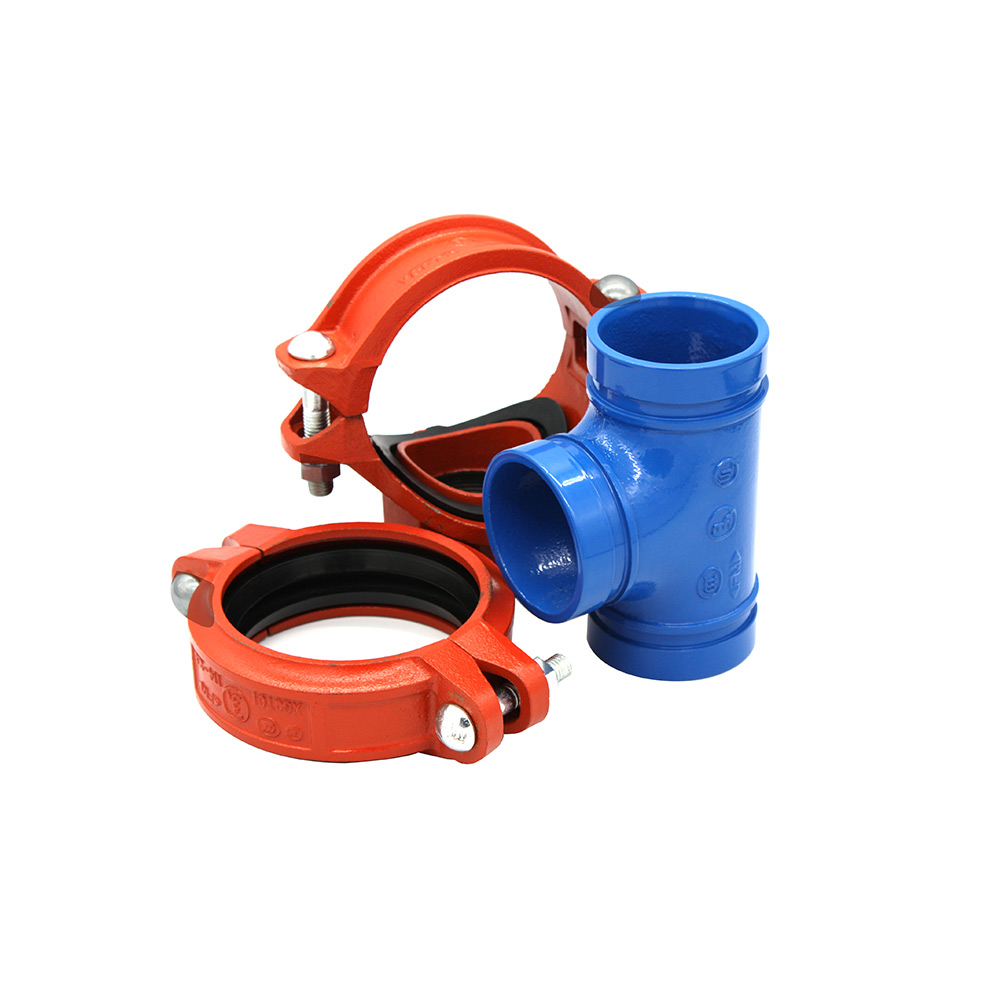
What can you send to VICAST for a quotation?
فيكاست supplies grooved fittings and mechanical pipe connection products associated with Hebei Jianzhi Foundry Group. Its separate model listings and downloadable data let you put an identifiable product against the schedule.
Mark the connections requiring each type on the list you send, with the pipe information, operating conditions, required documents, quantities, and destination. Request the price with the proposed model’s data attached. The reviewer then has the actual offer to work through instead of having to infer the product from a short description.
استنتاج
By the end of a rigid grooved coupling vs flexible grooved coupling review, you should have more than a preferred product name. You should know where it goes, which pipe it fits, and what behavior was approved for that joint. Put that decision on the quotation and order so a later site query doesn’t send everyone back to the beginning.
الأسئلة الشائعة
Is rigid always the choice for a straight run?
The drawing and support arrangement decide. A straight run by itself doesn’t establish the required joint behavior.
Can flexible couplings correct any misalignment?
They have model-specific limits. Have the engineer review the actual condition against the applicable data rather than assuming that flexible means unrestricted movement.
What should a coupling inquiry include?
Send the specified type and model, nominal size and outside diameter, groove information, service conditions, approvals, quantities, and delivery destination.
主关键词:rigid grooved coupling vs flexible grooved coupling、rigid grooved coupling、flexible grooved coupling、grooved coupling、grooved pipe fitting coupling