أخبار

أخبار

Bolt torque guideline for grooved coupling for fire sprinkler piping
Bolt torque guideline for grooved coupling for fire sprinkler piping is one of those topics crews don’t...
Typical Casting Defects and How to Prevent Them
Most casting problems don’t show up suddenly. They build quietly—during design reviews that run too fast,...
Foundry Cost Drivers — Understanding What Affects Casting Pricing
If you’ve ever put the same drawing in front of two foundries and gotten two wildly different numbers...
Key Inspection Methods for High-Quality Castings (Dimensional, NDT & Mechanical)
In many industrial programs, inspection only becomes a topic after something has already gone wrong....
How Casting Material Selection Affects Product Strength and Lifecycle
In many industrial projects, material selection looks straightforward on paper. A grade is specified,...
Sand Casting vs Shell Mold vs Lost Foam — How to Choose the Right Casting Process for Your Part
  Most industrial projects don’t fail because a casting process is fundamentally wrong. They fail...
How to Choose the Right Casting Process for Industrial Components (and Avoid Common Pitfalls)
  In many industrial projects, casting process selection is decided early and rarely questioned...
Why Grooved Pipe Fittings Are Gaining Ground in UK Fire-Suppression Systems
If you spend enough time around UK fire-suppression crews, especially those who have worked through the...
Seismic Resistance Are Grooved Pipe Joints Reliable in Italy’s Earthquake-Prone Zones
Seismic Resistance: Are Grooved Pipe Joints Reliable in Italy’s Earthquake-Prone Zones?
Anyone who has worked on a building project in Italy—particularly in regions like Abruzzo, Umbria, or...
لماذا تظل تركيبات الأنابيب الحديدية المرنة الخيار المفضل لأنظمة الحماية من الحرائق
إن أعمال الحماية من الحرائق مليئة بالتفاصيل التي لا يلاحظها معظم الناس أبداً - حتى يخطئ شيء ما. رشاشة. ..
Bolt torque guideline for grooved coupling for fire sprinkler piping

Bolt torque guideline for grooved coupling for fire sprinkler piping

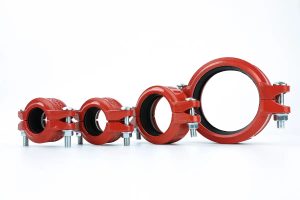
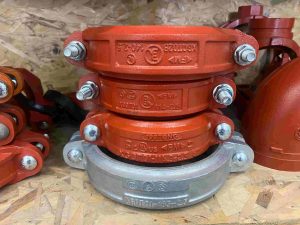
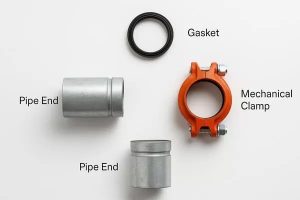
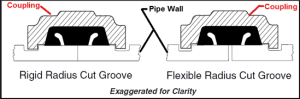
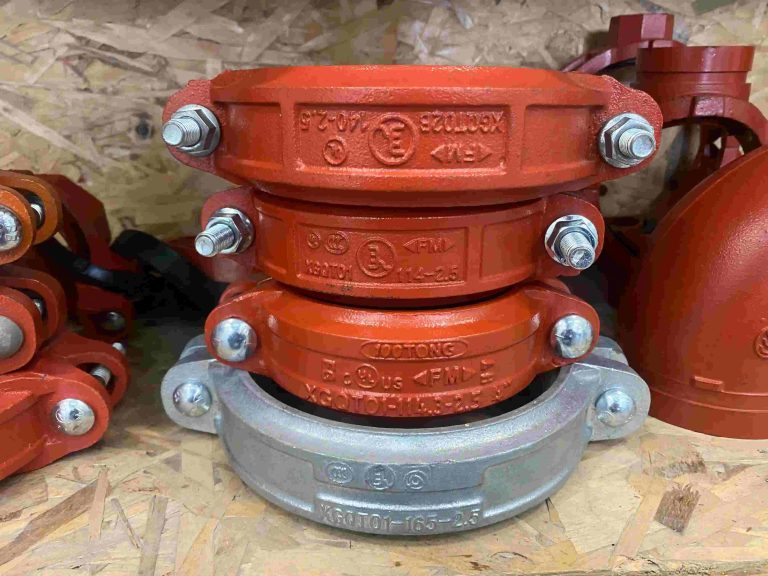
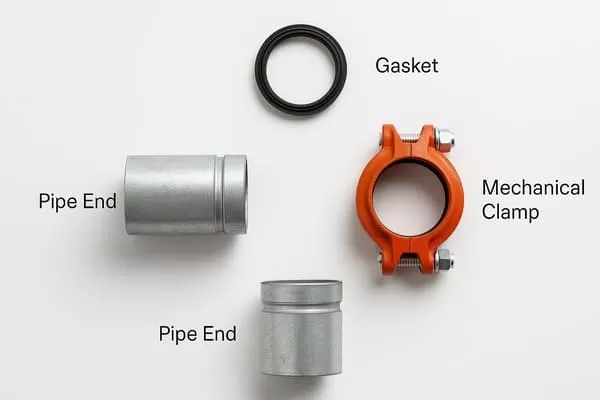
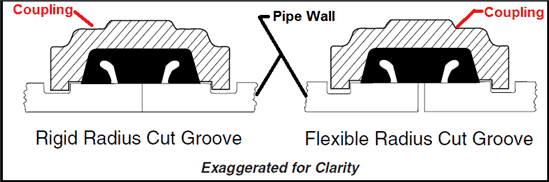
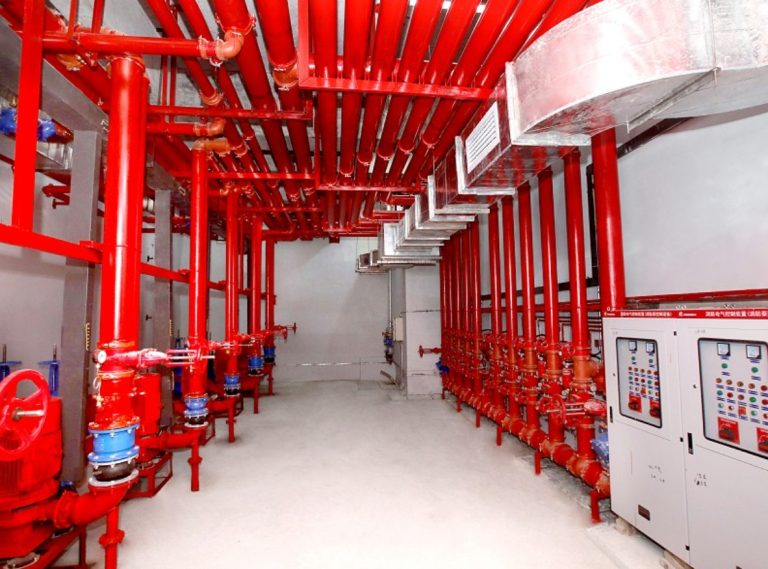
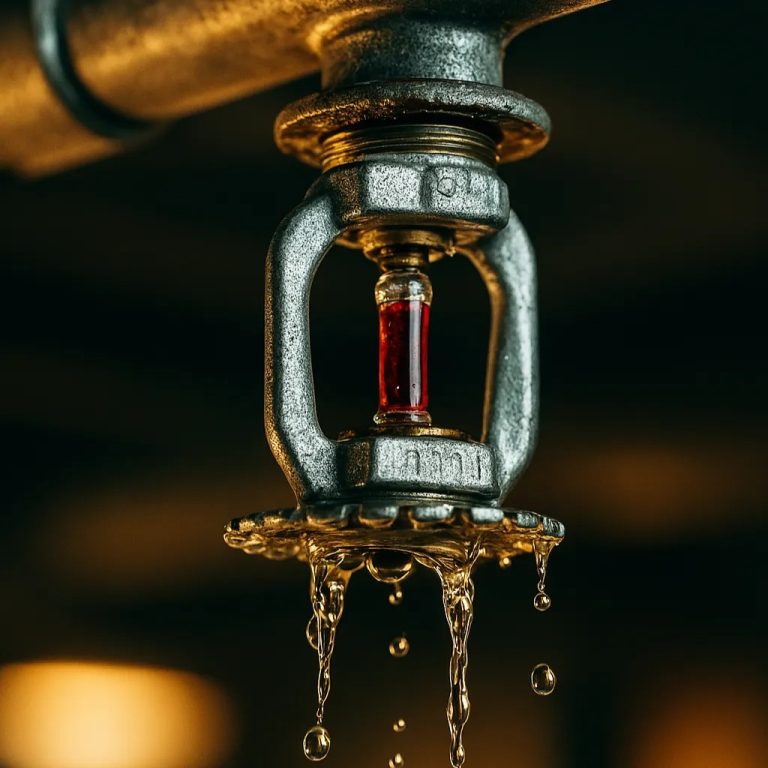
Bolt torque guideline for grooved coupling for fire sprinkler piping is one of those topics crews don’t look up when everything goes well. They search it when a joint won’t seal, when a hydrostatic test drips at the coupling, or when an inspector asks how you confirmed the final tightening condition. In grooved fire sprinkler piping, torque is not just “how tight.” It’s a measurable proxy for clamp load, gasket compression, and whether the housing keys are seated correctly in the groove. Done right, it reduces call-backs. Done wrong, it can create leaks that show up immediately—or worse, weeks later. If you’re standardizing procedures across projects, it helps to keep this guideline connected to your product system documentation. You can start with the manufacturer’s official site at Vicast official website, then tie your field torque practice back to the exact coupling models you’re installing. Why bolt torque matters in grooved

Typical Casting Defects and How to Prevent Them

Typical Casting Defects and How to Prevent Them

Most casting problems don’t show up suddenly. They build quietly—during design reviews that run too fast, during process tweaks that feel harmless, or during production ramps where yield matters more than discipline. Shrinkage, porosity, inclusions, cracking. Everyone in the industry knows the names. Fewer people agree on why they keep happening. This article is not a catalog of defect definitions. It is a practical look at where these failures really come from, how they are often misdiagnosed, and what can be done earlier—sometimes much earlier—to avoid repeating the same issues across projects. The focus stays on problem solving and process judgment, not textbook metallurgy.   Why Casting Defects Are Usually a Process Problem, Not a Material Problem It is tempting to blame the metal. Chemistry is measurable. Process discipline is not. In reality, most failures trace back to decisions made before the first melt—geometry choices, feeding assumptions, gating shortcuts, or schedule pressure.

Foundry Cost Drivers — Understanding What Affects Casting Pricing

Foundry Cost Drivers — Understanding What Affects Casting Pricing

If you’ve ever put the same drawing in front of two foundries and gotten two wildly different numbers back, you’ve already met the real issue: foundry cost drivers rarely live in the line item everyone expects. In industrial castings—especially pipe fittings and grooved connection components—the upfront quote is only the beginning of the story. The goal here isn’t to drown you in specs. It’s to help you forecast cost over the full lifecycle of a part, ask cleaner RFQ questions, and set expectations that won’t blow up later when production gets real. Why Two Quotes for “The Same Part” Can Be 30–80% Apart Two suppliers can look at one drawing and silently make different assumptions. One shop assumes “as-cast is fine” on a surface that your assembly actually uses as a seal. Another assumes you’ll accept standard dimensional inspection, while you expect 100% testing. One prices in more process risk because

Key Inspection Methods for High-Quality Castings (Dimensional, NDT & Mechanical)

Key Inspection Methods for High-Quality Castings (Dimensional, NDT & Mechanical)

In many industrial programs, inspection only becomes a topic after something has already gone wrong. A part passes incoming checks, moves through assembly, and operates without issue for a period of time. Then a leak develops, a crack appears, or performance drops in a way no one can immediately explain. At that point, teams go back to inspection records looking for clues that were never meant to answer those questions in the first place. High-quality castings are not defined by passing inspection. They are defined by how predictable they remain once they are exposed to load cycles, temperature changes, vibration, and real operating habits. Dimensional inspection, nondestructive testing, and mechanical testing each reveal something different, but none of them work in isolation. When inspection is treated as a procedural step, it misses risk. When it is treated as an engineering tool, it prevents it.   Why Inspection Fails When It Is

How Casting Material Selection Affects Product Strength and Lifecycle

In many industrial projects, material selection looks straightforward on paper. A grade is specified, a standard is referenced, and the assumption is that strength and durability will take care of themselves. In practice, material choice often turns into a problem only after the part has been in service for a while. This usually doesn’t show up during initial inspection. Dimensions pass. Mechanical tests look acceptable. The issues appear later, when parts start seeing real loads, repeated cycles, heat, vibration, or abrasion. At that point, changing the material is rarely simple. Casting material selection affects product strength and lifecycle not because materials behave differently in theory, but because they behave differently once production and operation begin. Why Material Choice Matters Beyond Basic Specifications What datasheets don’t capture Material datasheets describe controlled test conditions. Industrial environments are rarely controlled. Components experience fluctuating loads, uneven heating, and operational misuse that no specification sheet accounts for.

Sand Casting vs Shell Mold vs Lost Foam — How to Choose the Right Casting Process for Your Part

Sand Casting vs Shell Mold vs Lost Foam — How to Choose the Right Casting Process for Your Part

  Most industrial projects don’t fail because a casting process is fundamentally wrong. They fail because a reasonable process was chosen for the wrong reasons, and nobody questioned that choice until production was already moving. At the beginning, everything usually looks fine. The drawing is clear. The material is defined. Someone suggests sand casting because it worked last time, or shell molding because tighter tolerances are needed, or lost foam because the geometry looks complicated. The discussion feels finished. It usually isn’t. The reality shows up later. Machining takes longer than expected. Certain dimensions refuse to stay stable. Scrap increases slowly, almost quietly. By the time the team starts asking whether the casting process itself is the issue, changing it becomes difficult. Sometimes it’s already too late. Choosing between sand casting, shell molding, and lost foam casting is less about knowing how each process works, and more about understanding how each one

How to Choose the Right Casting Process for Industrial Components (and Avoid Common Pitfalls)

How to Choose the Right Casting Process for Industrial Components (and Avoid Common Pitfalls)

  In many industrial projects, casting process selection is decided early and rarely questioned again. A familiar method is chosen, often because it worked before, and the project moves on. On paper, everything looks reasonable. The drawing is complete, the material grade is defined, and the quotation fits the budget. Trouble usually starts later. Machining takes longer than expected. Certain dimensions keep drifting. Scrap quietly increases. Sometimes the part passes inspection but causes problems once it is assembled or put into service. When teams look back, the issue is rarely dramatic. It is often a series of small compromises that began with a casting process that did not quite fit the job. Choosing the right casting process for industrial components is not about memorizing process names. It is about understanding how early decisions play out months later, when changes are expensive and schedules are tight. Why Casting Process Selection Is Often Undervalued

Why Grooved Pipe Fittings Are Gaining Ground in UK Fire-Suppression Systems

Why Grooved Pipe Fittings Are Gaining Ground in UK Fire-Suppression Systems

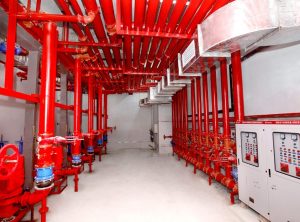
If you spend enough time around UK fire-suppression crews, especially those who have worked through the industry’s changes over the last decade, you’ll notice a quiet but undeniable shift. Installers who once swore by welded joints now talk about grooved pipe fittings as if they’ve always been part of the trade. It’s not because welding suddenly became poor practice. It’s more that the pressures shaping British construction—tighter fire-safety rules, compressed schedules, labour shortages, and a general intolerance for delay—are making welded pipework harder to justify. In conversations on sites from Leeds to Southampton, one sentiment comes up again and again: “We just get more done with grooved.” And when you observe how fire-suppression systems are being commissioned under today’s scrutiny, it becomes clear why this change has accelerated.   A Regulatory Climate That Favors Certainty Over Tradition It’s impossible to discuss the growth of grooved pipe fittings in the UK without acknowledging how

Seismic Resistance Are Grooved Pipe Joints Reliable in Italy’s Earthquake-Prone Zones

Seismic Resistance: Are Grooved Pipe Joints Reliable in Italy’s Earthquake-Prone Zones?

Anyone who has worked on a building project in Italy—particularly in regions like Abruzzo, Umbria, or Sicily—quickly learns that seismic questions never stay theoretical for long. People remember past earthquakes, inspectors push for stronger systems, and even routine installations often turn into conversations about how pipes behave when the ground shakes. In that environment, the interest in grooved pipe fittings has been growing, sometimes quietly, sometimes quite deliberately, as engineers reconsider how mechanical and fire-suppression networks should move with a swaying structure. The usual assumption in older buildings was that welded lines or threaded steel would “hold better.” But field inspections after several Italian earthquakes told a different story. Fire-suppression lines, especially rigid ones, were often among the first nonstructural components to fail. A building might stay standing, yet its sprinkler system could lose pressure where a welded joint cracked under lateral drift. It was around this point that grooved pipe

لماذا تظل تركيبات الأنابيب الحديدية المرنة الخيار المفضل لأنظمة الحماية من الحرائق

لماذا تظل تركيبات الأنابيب الحديدية المرنة الخيار المفضل لأنظمة الحماية من الحرائق

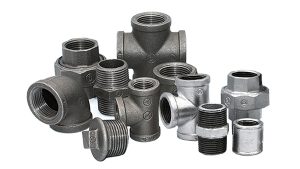
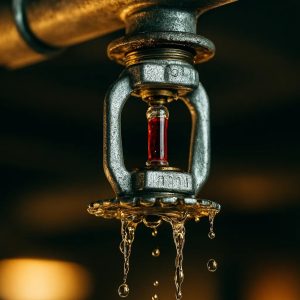
إن أعمال الحماية من الحرائق مليئة بالتفاصيل التي لا يلاحظها معظم الناس أبداً - حتى يخطئ شيء ما. قد يجلس خط رش مدفون فوق سقف سقوط لسنوات ، ثم في يوم ما يطلب منه فجأة حمل مياه عالية الضغط عبر الأنابيب التي تم تسخينها وتوسيعها وتحولها أثناء حالة الطوارئ. وعندما تأتي تلك اللحظة، يجب أن تحتفظ كل اتصال. لا أعذار هذا هو السبب في أن تركيبات أنابيب الحديد القابل للصب لا تزال هي الخيار القياسي لمقاولي الحماية من الحرائق ومصممي الأنظمة ومهندسي البناء. يتم اختبار المواد الأخرى من وقت لآخر ، ولكن بمجرد أن تذهب الأنظمة إلى المباني الحقيقية ، تنتهي معدات الحديد المرنة دائمًا تقريبًا بالعودة إلى المحادثة. إنها ببساطة تتعامل مع الإجهاد وتقلبات درجة الحرارة بشكل أفضل من معظم البدائل. في الأقسام أدناه ، سنبحث عن ما يجعل هذه التجهيزات موثوقة للغاية ، وأين تستخدم ، وكيف تدعم الشركات المصنعة مثل شركة Hebei Jianzhi Foundry Group Co., Ltd. مشاريع الحماية من الحرائق في جميع أنحاء العالم.

تحميل وثائقنا