
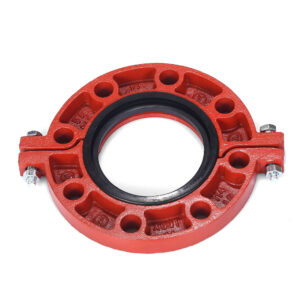
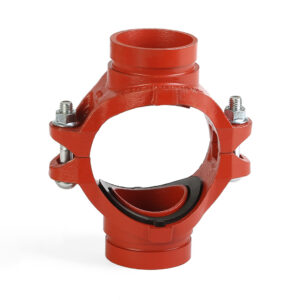


ربطات مخدودة are built to make pipe installation, upkeep, and system updates easier. After removing a coupling, builders might think about using it again to save money on materials and cut down on lost time. However, you cannot automatically reuse every coupling, gasket, or application. The choice has to rely on the instructions from the manufacturer. It also depends on the past working conditions and a close check of the housing, bolts, nuts, gasket, pipe ends, and grooves. Before taking things apart, you must fully relieve pressure in the piping system. You also need to drain and isolate it to stop personal injury or property damage.
Can a Grooved Coupling Be Reused Safely?
Certain grooved coupling models can be put back together and reused. This applies when the manufacturer gives a clear reuse method. Other models, parts, or uses might need a total replacement.
The product model and its official installation guide should always guide your choice.
When May Reuse Be Acceptable?
You can consider reuse when the housing, fasteners, and gasket are still in good shape. The coupling manufacturer must also provide steps for reassembly. For instance, official guidelines for specific Victaulic coupling models require you to check all parts for damage or wear before putting them back. If you find any wear, you have to use a new coupling assembly.
The past usage is also important. A coupling taken from a clean-water setup might have faced different chemical, heat, and physical conditions compared to one used with oil, chemicals, compressed air, or very hot fluids.
When Should the Entire Coupling Be Replaced?
Replacing the item is the safer choice when the maker forbids reuse. It is also safer if you cannot identify the coupling model or if its past usage is unknown. You should also swap out parts after a fire, extreme high pressure, chemical damage, big pipe shifts, or clear physical harm.
Do not mix housings, gaskets, bolts, or nuts from different sizes, brands, pressure ratings, or coupling models. You can only do this if the manufacturer clearly allows it.
How Should the Coupling Housing Be Inspected?
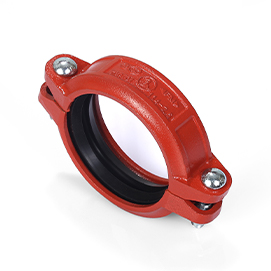
The housing moves weight between the grooved pipe ends and holds the gasket. Even tiny flaws near the keys or bolt pads can change how well the joint works.
Clean the housing before checking it. This makes rust, cracks, and bending easy to see.
Are the Housing Keys and Bolt Pads Damaged?
Look at both housing halves for cracks, hit marks, bending, heavy rust, and lost metal. Give special focus to the keys that lock into the pipe grooves.
The bolt pads need to stay flat and line up correctly. A housing might be permanently bent if it was tightened too much. It could also be damaged if it was hit during removal or pushed over wrong pipe ends.
Look at the coating too. Small surface damage might be fixed using the supplier’s method. However, deep rust, bare weak metal, or ruined sealing spots can be good reasons to replace it.
Do the Two Housing Halves Match?
Make sure that both halves have the same manufacturer, model, stated size, and pressure rating. Housing halves from different coupling series might look alike. Yet, they might use different gasket pockets, key sizes, and bolt setups.
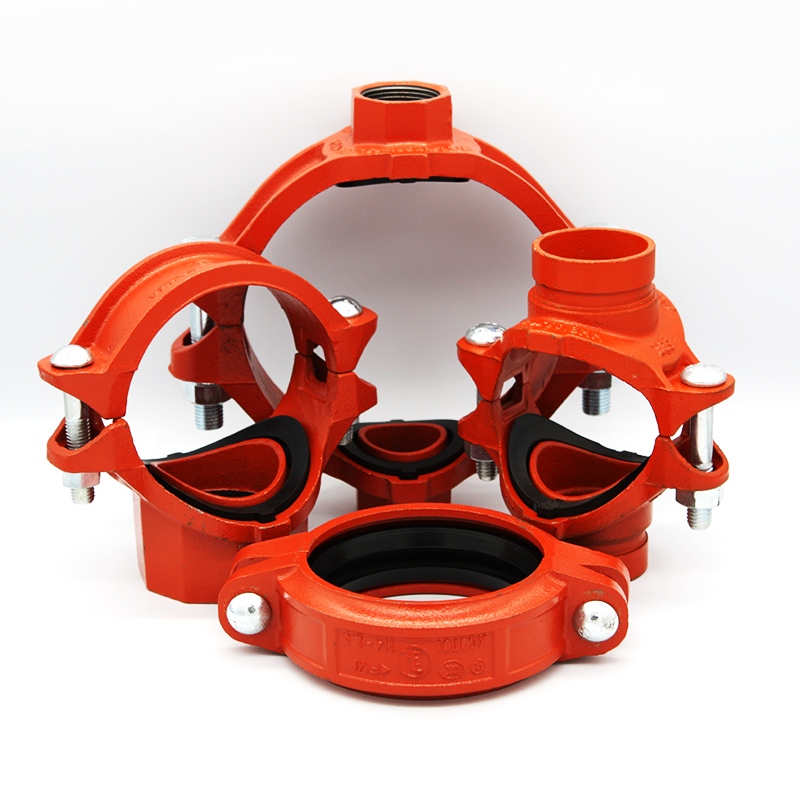
Vicast’s product line features flexible couplings, standard grooved couplings, end caps, reducers, flanges, tees, and mechanical tees. You should match each product to its exact pipe size and use, rather than picking it just by how it looks.
Can the Bolts and Nuts Be Reused?
Bolts and nuts are very important for safety. They supply the holding power needed to fit the housings right around the gasket and pipe grooves.
You must clean and check them one by one before putting things back together.
What Bolt Damage Should You Look For?
Throw away bolts that are bent, cracked, very rusty, pulled out of shape, or hurt by an impact wrench. Check the oval neck or the part that stops turning. This part sits inside the housing bolt hole.
Threads must be whole and clear of flat spots, scraping, rust buildup, or crossed threads. A nut should spin easily by hand when you first put it on. If it catches at this point, it might mean the threads are damaged or dirty.
Can Replacement Hardware Come from Another Supplier?
Use only hardware that is approved for the exact coupling model. Swapping a bolt just because of its width and length can cause problems. It might bring in differences in metal type, thread shape, coating, head design, or pulling strength.
Specific instructions from the manufacturer might also state the number and kind of washers. They might detail the bolt direction, the order for tightening, and the required final state of the bolt pad.
Should a Used Gasket Be Reinstalled?
The gasket usually needs the most careful check. This is because it has been squeezed and touched by the moving fluid. It has also faced shifts in pressure and heat.
A gasket that looks whole might still have lost its stretch or its ability to bounce back to size.
Which Gasket Defects Require Replacement?
Look at the sealing edges and the outside for cuts, rips, cracks, puffiness, stiffness, lasting flat spots, surface breakdown, and chemical harm. Change the gasket anytime damage or wear is there. Also change it if you are unsure about its state.
Make sure the gasket type is still right for the liquid and the working heat. EPDM, nitrile, and other rubber types have different matching limits. You should not put a gasket into a new job just because it fits the size.
Should the Gasket Be Lubricated Again?
When reuse is allowed, the gasket usually needs a light coat of matching grease before you reassemble it. Proper greasing stops twisting, pinching, or tearing when you put the housings on.
The grease must work well with the gasket material and the system fluid. Some oil-based items might be bad for certain EPDM types. Because of this, you should follow the coupling manufacturer’s advice on what works together.
What Else Should Be Checked Before Reinstallation?
A working coupling cannot fix broken or wrong-sized pipe ends. You must check the whole joint before you put pressure on it again.
Getting the pipe ready and doing the final setup are just as key as the reused parts.
Are the Pipe Grooves and Sealing Areas Acceptable?
Check both pipe ends for the right outside width, groove width, groove depth, spreading, roundness, and straightness. Clean off dirt, loose rust, hard scale, oil, and thick coating from the spots where the gasket sits.
Grooves with heavy wear, bending, rust, or physical damage must be fixed or swapped. Do this based on the rules from the pipe and coupling supplier.
How Should the Reassembled Joint Be Verified?
Put in the gasket and housings by following the steps for the exact coupling model. Tighten the nuts equally using the required order. Make sure the bolt pads get to the stated final state.
Before starting the system again, look closely at the joint. Then, do the needed pressure or leak test using the project’s approved method.
Why Choose Hebei Jianzhi Foundry Group Co., Ltd.?
A trusted supplier should offer trackable couplings, matching gaskets and hardware, technical details, and clear help for picking products.
How Does Vicast Support Grooved Coupling Buyers?
هيبي جيانزي صب مجموعة المحدودة, running the Vicast brand, started in 1982. It makes grooved pipe fittings for global markets. Its website shows over 40 years of making things. It has quality and green systems matching ISO 9001 and ISO 14001. It also ships to more than 100 countries.
Buyers can give the pipe size, groove standard, working pressure, liquid, heat, gasket type, coating, needed certificates, and order amount. They can do this when asking for product choices or replacement parts.
What Is the Final Decision?
You may reuse grooved couplings only when the exact product guides allow reassembly. Also, every part must pass a check. The housing must have no cracks or bends. The bolts and nuts must still work well. The gasket must keep enough stretch and chemical safety.
When the past use is unknown or any part shows damage, replacing it is usually cheaper. It is better than taking a chance on leaks, sudden stops, or joint breaks.
What Do Grooved Coupling Buyers Commonly Ask?
The following questions deal with common reuse choices during piping-system upkeep.
Can I Reuse the Housing but Install a New Gasket?
You might be able to, as long as the coupling maker allows reassembly. The housing, bolts, and nuts must also pass a check. The new gasket must be the right size and type for the coupling and the system fluid.
Can a Gasket Be Reused After a Hydrostatic Test?
You can do this only when the maker says it is okay. The gasket must show no cuts, pinching, bending, stiffness, or other harm. You should also think about the test pressure, time, grease, and past squeezing.
What Information Should I Send Vicast When Ordering Replacement Parts?
Give the coupling model, stated size, pipe outside width, and groove standard. Also include working pressure, running heat, moving fluid, current gasket type, bolt facts, coating, and amount. Add clear pictures of the parts you have now.