
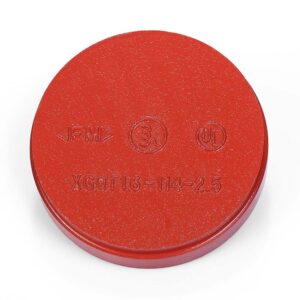
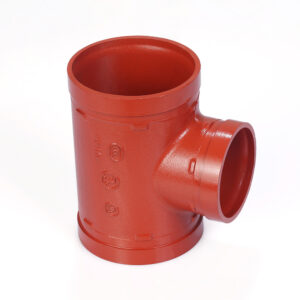
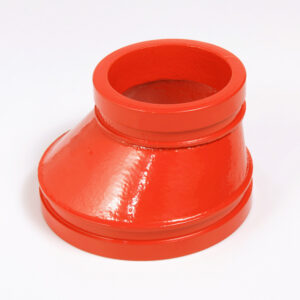
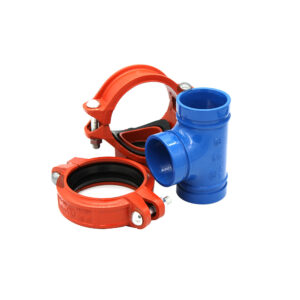
In 2026 construction and industrial projects continue to face tighter schedules, persistent labor shortages, and stricter safety rules across commercial buildings, manufacturing facilities, and municipal infrastructure. Grooved pipe fittings and couplings offer a mechanical joining solution that addresses these challenges directly. Ductile iron components connect pipes through a simple groove-and-coupling system that requires no welding, no threading, and no elaborate alignment procedures.
It comes down to housings, gaskets, and bolts locking joints tight in minutes instead of hours. Field crews running large-scale piping jobs have watched this change unfold on site after site. Faster assembly, fewer hazards right there on the ground, and piping that actually moves with the building have turned into the deciding factors when procurement groups size up joining options for fire protection lines, HVAC loops, water distribution networks, and process piping. The sections ahead lay out the ten real gains that push this shift, each one backed by what actually shows up on jobs that contractors and volume buyers care about when they weigh cost, uptime, and getting the building turned over on time.
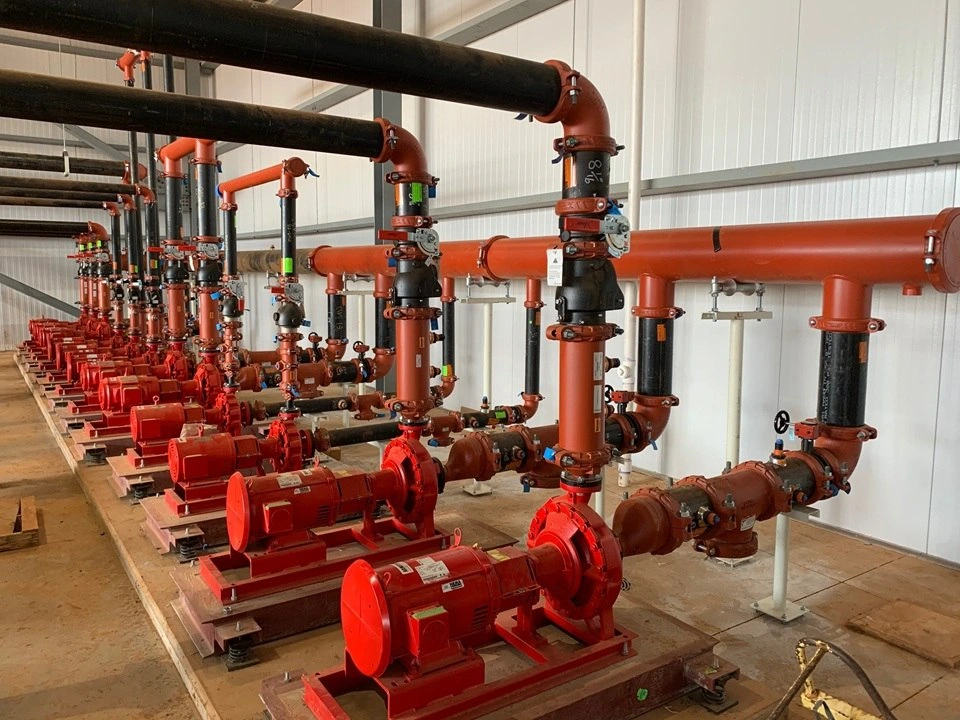
Up to 5x Faster Installation – Cut Project Timelines Dramatically
Grooved pipe fittings and couplings go together quicker than any welded joint on the market. The crew lines up the coupling over the prepared ends, seats the gasket, and spins the bolts down with ordinary wrenches. Once the grooves are cut true, a single joint often takes less than five minutes. Welded work turns into a different story—beveling, preheating, laying multiple beads, cooling periods, and full inspection stretch each connection into hours.
Crews working mid-rise commercial jobs routinely push three to five times the footage per shift once they switch to grooved pipe fittings and couplings. On a standard 200,000-square-foot office build with roughly 800 joints, that speed can free up two or three weeks on the mechanical side. The ripple hits the whole schedule—pressure testing starts sooner, other trades move in earlier, and occupancy or phased handover lands ahead of plan. Procurement departments spot it immediately in the bid numbers. Material lead times stay the same, yet the sharp drop in labor hours lets quotes come in lower while margins hold steady.
This advantage stands out clearest during phased renovations. Teams move through occupied hospital floors or live data centers without the long shutdowns welding demands. Groove tools stay light and easy to carry, so floor-to-floor shifts happen fast. Speed like this never comes at the cost of joint strength. Proper groove depth and torque to spec keep the mechanical lock solid against the pressure ratings the specs require. Job after job confirms the pattern: the schedule gains arrive clean and consistent.
Enhanced Jobsite Safety – No Open Flames, No Hot Work Permits
Welded piping brings open-flame processes that trigger extensive permitting, fire watches, ventilation plans, and cleared work zones. Grooved pipe fittings and couplings wipe those requirements away. Assembly stays completely cold. No sparks fly across the workspace, no slag piles up on the deck, and no combustible gases collect around the crew.
Safety officers on active sites note fewer incidents the moment mechanical joining takes over from welding. Burn risks vanish, respiratory exposure falls to nearly nothing, and the heavy flame-resistant gear welders carry becomes unnecessary. Insurance carriers often cut premiums for projects that eliminate hot work in sensitive areas. Inside operating manufacturing plants or urban high-rises the gain grows even bigger. Crews keep piping runs moving while adjacent production lines or tenant spaces stay fully active. No evacuation protocols slow progress, and no extra safety personnel eat into daily budgets.
Field supervisors pick up another steady improvement in daily output. Workers skip the physical drain of welding hoods and the nonstop mental check on hazards. Lost-time incidents drop and productivity steadies across the shift. Procurement teams bidding public work find the safety record simplifies paperwork. Fewer permits speed approvals and smooth out inspections. Removing fire hazards altogether takes an entire layer of risk management off the table that welded systems still carry in 2026.
Significant Cost Savings on Labor and Total Installed Costs
Unit prices for grooved pipe fittings and couplings sometimes run higher than basic welded parts, yet the full picture tilts toward the mechanical system once labor and overhead numbers enter the equation. Certified welders carry premium rates and need verification on every joint. Grooved installations run with standard pipefitters who turn out reliable connections after short time on groove tools.
Labor hours per joint drop hard. A welded run that ties up a certified welder for two hours becomes a fifteen-minute task for a general crew. Tool needs stay simple—wrenches and groove cutters replace welding machines and gas bottles. Rework from misalignment or bad welds shrinks noticeably. Contractors tracking jobs with 500 joints or more record 20 to 30 percent cuts in total installed cost. Savings stack up through shorter equipment rentals, lighter supervision overhead, and tighter general conditions on site.
Procurement specialists run the math early in bidding. They add material quotes to projected man-hours, insurance adjustments, and schedule-driven liquidated damages. When the numbers line up, grooved pipe fittings and couplings often deliver the lowest net spend. The material premium pays back inside the first month of field work. Volume buyers through distributors gain stable pricing and shorter lead times compared with custom-welded assemblies that stretch delivery windows.
Built-in Flexibility & Vibration Absorption for Long-Term Reliability
Flexible grooved couplings allow controlled angular deflection and linear movement at every joint. This built-in give absorbs thermal expansion, pump vibration, seismic activity, and minor foundation settlement without pushing stress into the pipe wall or fitting body. Rigid couplings lock alignment where it counts, while flexible versions handle the dynamic loads.
In HVAC chilled-water loops near large centrifugal pumps, vibration that would fatigue welded joints over time dissipates through the gasket and housing. Boilers and heat exchangers create temperature swings; the mechanical joint takes those changes without cracking. Seismic zones perform the same way. Joints flex just enough during movement yet hold seal integrity. Maintenance logs from facilities running twenty years show far fewer leak repairs on systems using grooved pipe fittings and couplings than on rigidly welded runs.
Design engineers call out the right coupling type section by section—flexible near equipment, rigid on straight mains. The mix gives piping networks a toughness welded systems rarely reach without costly expansion loops or bellows. Long-term reliability shows up as lower service budgets and longer system life. Procurement teams reviewing lifecycle costs put real weight on this durability, especially for owner-occupied buildings where the same group handles maintenance for decades.
Easy Maintenance, Reusability, and System Modifications
Every grooved joint works like an accessible union. Technicians loosen bolts, pull the coupling, and separate the pipes without cutting or re-welding. Inspection, gasket changes, or section removal happen fast during scheduled shutdowns. The same parts go back together without losing performance.
Future changes become routine instead of major disruptions. A manufacturing plant adding a new process line simply drops extra fittings into the existing run. Commercial buildings reconfiguring floors reroute branches in hours rather than days. Reusability cuts material waste and labor for alterations that welded systems treat as full demolition and rebuild. Facility managers log lower downtime because crews skip extended outages for piping work.
Gaskets stay replaceable items. When chemical exposure or age calls for a swap, only the elastomer changes while the ductile iron housing stays in service. This modularity fits wholesale buyers supplying retrofit contractors. They keep standard coupling sizes in stock, knowing the same parts cover new builds and ongoing maintenance for years.
Superior Sealing Performance and Leak Prevention
The gasket inside a grooved coupling compresses against the pipe ends and tightens its grip as internal pressure rises. This pressure-activated seal holds under the shifting conditions common in building services. Ductile iron housings paired with EPDM or nitrile gaskets cover temperatures from -20 °F to +180 °F and the pressures typical in fire, HVAC, and water systems.
Vibration and thermal cycling that loosen threaded or flanged joints over time leave grooved connections untouched. The mechanical design spreads forces evenly around the full circumference. Joints stay tight through thousands of pressure cycles with very few reported failures when installed to spec. Fire protection networks draw extra confidence from this record. A solid seal stops costly water damage and keeps the system ready when it matters most.
Reduced Downtime in Retrofit and Operational Environments
Live facilities cannot accept the shutdowns welding demands. Hot work requires isolation, ventilation, and cleared zones that stop production or patient care. Grooved pipe fittings and couplings install without those interruptions. Crews work in occupied spaces without bringing heat or fumes into the picture.
Hospitals schedule mechanical upgrades during lighter hours yet finish piping runs faster than welded methods allow. Manufacturing plants keep lines running while utility work proceeds. The cold-assembly approach cuts outage windows from days to hours. Revenue protection and operational continuity turn into numbers procurement teams calculate when bids arrive.
Environmentally Friendly – No Welding Fumes or Waste
Grooved systems create no welding fumes, slag, or grinding dust. No electrodes or fluxes need hazardous disposal. Energy use falls because torches and heavy power equipment stay off. Projects chasing green certifications record lower emissions and waste volumes without giving up performance.
The environmental side lines up with tighter regulations in 2026. Municipal and institutional buyers ask more often for proof of sustainable installation methods. Grooved pipe fittings and couplings deliver exactly that while keeping the mechanical advantages clear.
Versatility Across Applications: Fire Protection, HVAC, Industrial, Water Supply
Grooved pipe fittings and couplings fit the full range of building and industrial services. Fire sprinkler systems count on quick assembly and steady sealing under NFPA rules. HVAC networks rely on flexible couplings to handle movement in chilled and heating water loops. Industrial process lines manage chemicals and slurries with the right gasket choice. Municipal water and wastewater mains gain from corrosion-resistant ductile iron and easy field adjustments.
Sizes run from small branch lines to large distribution mains. The same product family covers new construction, renovations, and expansions. This versatility simplifies stock for distributors and cuts down specification work for engineers.
Proven Longevity and Compliance with Global Standards
Ductile iron construction and mechanical design have stood up for decades in tough environments. Stress spreads evenly, corrosion resistance beats many alternatives in wet conditions, and joints hold through repeated temperature and pressure cycles. Manufacturers join national and industry standard development, keeping strict testing protocols in place to confirm performance.
Installations from twenty years back still run without widespread joint failures. The track record gives solid ground for specifying grooved pipe fittings and couplings on projects meant to last generations.
Grooved vs Welded vs Flanged: Quick Comparison
Installation speed with grooved pipe fittings and couplings reaches multiples faster than welding and several times quicker than flanging. Safety improves sharply because hot work disappears. Labor and total installed costs favor grooved systems in most mid-to-large projects due to reduced skilled hours. Flexibility handles movement better than rigid welded or flanged setups, although welded joints may suit ultra-high-pressure static applications. Maintenance stays easiest with grooved connections because every joint provides union-style access. These differences appear consistently across commercial, industrial, and municipal installations.
Hebei Jianzhi Foundry Group Co., Ltd.
Hebei Jianzhi Foundry Group Co., Ltd. has manufactured pipe fittings since 1982, accumulating more than forty years of specialized experience. Production bases operate in Chifeng, Inner Mongolia, and Tangshan, Hebei Province, with an additional office in Tianjin. The enterprise covers approximately one million square meters and maintains total assets of 2.5 billion yuan. Roughly 4,500 employees include more than 350 technical engineers.
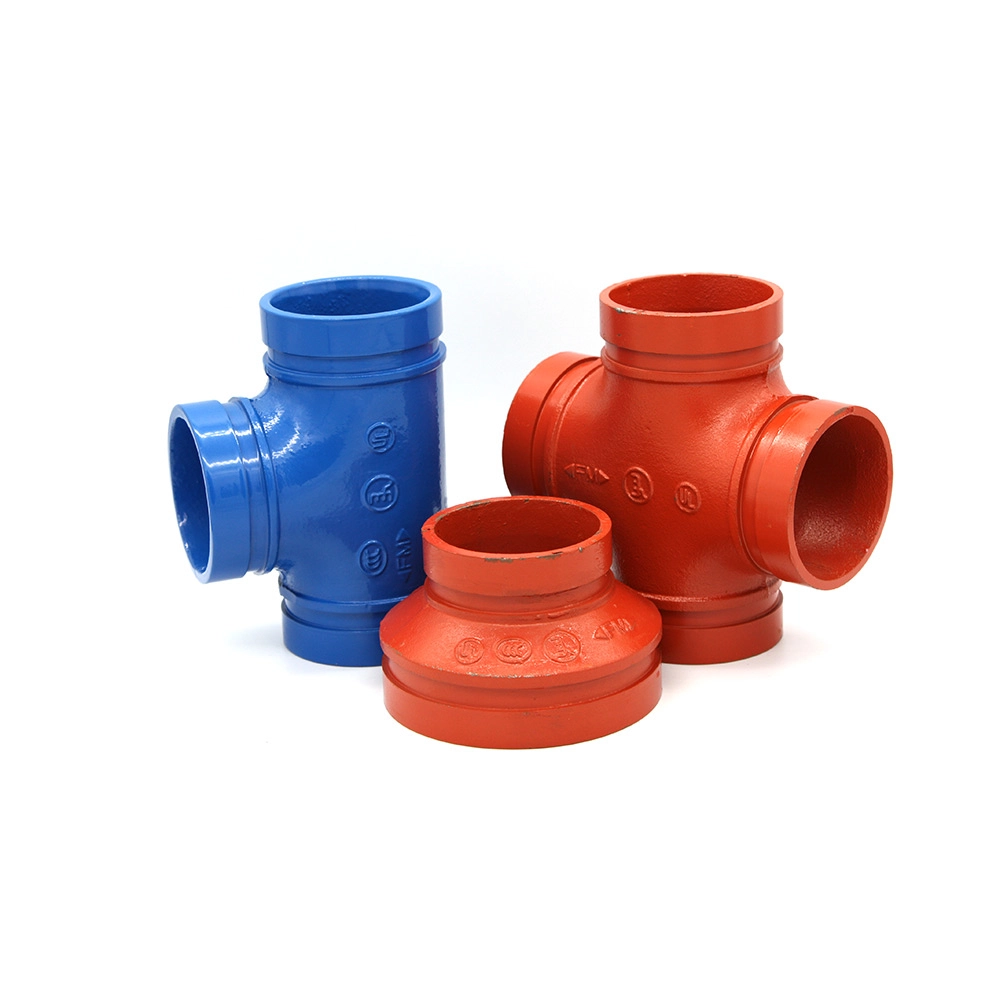
Quality and environmental management systems hold ISO 9001 and ISO 14001 certifications. The company has participated in the formulation or revision of six national standards, five industry standards, and four group standards. As a national high-tech enterprise, it holds over 200 patents. Grooved pipe fittings and couplings form a core part of the range, alongside mechanical tees, crosses, flanges, and related components. Products reach distributors in more than 100 countries worldwide, reflecting consistent performance and adherence to international expectations.
Conclusion
Grooved pipe fittings and couplings deliver measurable gains in installation speed, safety, cost control, and long-term reliability. Each advantage addresses pressures that contractors and procurement teams face daily in 2026. Faster timelines free resources for other critical tasks. Safer job sites protect personnel and reduce administrative burdens. Lower total costs improve bid competitiveness. Flexibility and maintenance ease support systems that evolve with facility needs. Versatility across applications and proven compliance with standards give engineers and owners confidence in specifying these components for fire protection, HVAC, industrial, and water supply networks.
The mechanical joining approach meets current demands without compromise. Projects that adopt grooved pipe fittings and couplings often finish ahead of schedule, operate more quietly, and require less service over decades. These outcomes matter to organizations that purchase in volume and expect durable performance from every dollar invested.
FAQs
Why choose grooved pipe fittings and couplings over welded joints for commercial building projects?
Grooved pipe fittings and couplings install several times faster, eliminate hot work permits, and lower labor costs without sacrificing joint strength. Welded systems require certified personnel and extended inspection periods that extend schedules and raise total expenses in typical commercial applications.
How do grooved couplings manage vibration and thermal movement in HVAC piping systems?
Flexible grooved couplings allow controlled deflection and expansion at each joint, absorbing pump vibration and temperature changes that would otherwise stress rigid welded connections. This built-in movement prevents fatigue cracks and reduces leak frequency in chilled-water and heating loops.
Are grooved pipe fittings and couplings suitable for fire protection installations?
Grooved pipe fittings and couplings provide reliable sealing and rapid assembly that meet the demands of fire sprinkler networks. The mechanical design maintains pressure integrity and supports quick installation schedules common in life-safety projects.
What advantages do grooved pipe fittings and couplings offer during facility retrofits?
Grooved pipe fittings and couplings install without shutdowns or fire hazards, allowing work in occupied spaces. Disassembly for modifications remains simple with basic tools, minimizing downtime compared with welded or flanged alternatives that require cutting and rejoining.
Can grooved pipe fittings and couplings lower overall project costs despite higher material prices?
Savings accumulate primarily through reduced labor hours, shorter equipment rentals, and fewer specialized personnel. Projects with hundreds of joints frequently show 20 to 30 percent lower total installed costs once all variables receive full evaluation.