
In many industrial projects, material selection looks straightforward on paper. A grade is specified, a standard is referenced, and the assumption is that strength and durability will take care of themselves. In practice, material choice often turns into a problem only after the part has been in service for a while.
This usually doesn’t show up during initial inspection. Dimensions pass. Mechanical tests look acceptable. The issues appear later, when parts start seeing real loads, repeated cycles, heat, vibration, or abrasion. At that point, changing the material is rarely simple.
Casting material selection affects product strength and lifecycle not because materials behave differently in theory, but because they behave differently once production and operation begin.
Why Material Choice Matters Beyond Basic Specifications
What datasheets don’t capture
Material datasheets describe controlled test conditions. Industrial environments are rarely controlled. Components experience fluctuating loads, uneven heating, and operational misuse that no specification sheet accounts for. These factors expose weaknesses that remain invisible during qualification.
A material can meet every listed requirement and still perform poorly once installed. That gap catches teams off guard more often than they expect.
Strength is not durability
Strength values are easy to compare. Durability is not. Fatigue, wear, and thermal stability determine how long a part survives, not how strong it looks at first glance. When material selection focuses too heavily on nominal strength, long-term performance becomes a gamble.
Most failures don’t come from overload. They come from repetition.
Grey Cast Iron, Ductile Iron, and Alloy Steel in Real Use
Grey cast iron: where it works, and where it doesn’t
Grey cast iron remains common because it solves many practical problems. Its vibration damping helps protect assemblies. Machining is predictable. Costs stay manageable. For housings, bases, and components with stable loading, it performs reliably.
Problems appear when impact loads or cyclic stresses enter the picture. The graphite structure that helps damping also promotes crack initiation. In applications with repeated stress, service life shortens quickly.
This is rarely obvious at the start.
Ductile iron: a controlled upgrade
Ductile iron changes the picture by altering graphite morphology. The nodular structure improves toughness and fatigue resistance while retaining many of the manufacturing advantages of cast iron. For pressure-containing parts and structural components, it often provides the balance teams are looking for.
In many projects, ductile iron becomes the point where performance improves without introducing unnecessary complexity.
Alloy steel castings: performance with conditions
Alloy steel castings step in when operating conditions exceed what iron-based materials can handle comfortably. Higher strength, better wear resistance, and improved high-temperature performance make them suitable for demanding applications.
They also demand tighter control. Machining effort increases. Heat treatment becomes critical. Quality variation shows up faster. Without discipline in production, the expected benefits disappear.
Fatigue Life and Wear: Where Materials Separate
Fatigue behavior over time
Fatigue failure develops quietly. Microcracks form, propagate, and eventually lead to fracture. Material microstructure plays a decisive role here. Grey iron encourages crack growth. Ductile iron slows it. Alloy steels resist it—if processed correctly.
Fatigue performance cannot be inferred from tensile strength alone. Teams that assume otherwise usually find out the hard way.
Wear in real environments
Wear depends on more than hardness. Surface condition, lubrication, contaminants, and operating speed all influence material loss. In abrasive environments, a slightly harder material may last significantly longer. In others, toughness matters more than hardness.
Choosing the wrong wear mechanism to focus on leads to premature degradation.
Temperature and pressure effects
Elevated temperature changes material behavior. Thermal expansion, stress relaxation, and oxidation alter mechanical properties over time. Grey iron loses margin faster under heat. Certain alloy steels maintain stability longer, but only within defined limits.
Ignoring temperature effects during material selection often results in deformation or leakage issues later.
A Practical Way to Approach Material Selection
Start with service reality
Material selection works best when service conditions drive the decision. Load type, stress range, operating temperature, and expected lifecycle narrow the field quickly. This step eliminates many unsuitable options before cost even enters the discussion.
Balance performance with manufacturing reality
The strongest material is not always the best choice. Machining difficulty, inspection complexity, and quality consistency matter. A slightly lower-performing material that behaves predictably can outperform a theoretically superior one over time.
This trade-off defines many successful projects.
Think beyond unit cost
Initial material cost often misleads decision-making. Maintenance intervals, downtime risk, and replacement frequency dominate long-term expense. Material choices that extend service life usually pay for themselves quietly.
Material Selection Mistakes That Keep Reappearing
Chasing numbers instead of behavior
High strength values look reassuring. They rarely tell the full story. Fatigue, wear, and thermal response deserve equal weight.
Ignoring environment-driven degradation
Moisture, abrasive particles, temperature swings, and chemical exposure change how materials age. Overlooking these factors shortens lifecycle more than most teams expect.
Underestimating downstream impact
Harder materials increase machining time and inspection effort. These costs accumulate gradually, not immediately. By the time they become visible, changing material is difficult.
Engineering Coordination Makes the Difference
Material decisions improve when design, manufacturing, and application considerations meet early. Reviewing drawings with an understanding of service conditions prevents mismatches that lead to rework or premature failure.
This coordination reduces uncertainty long before production begins.
About Hebei Jianzhi Foundry Group Co., Ltd.
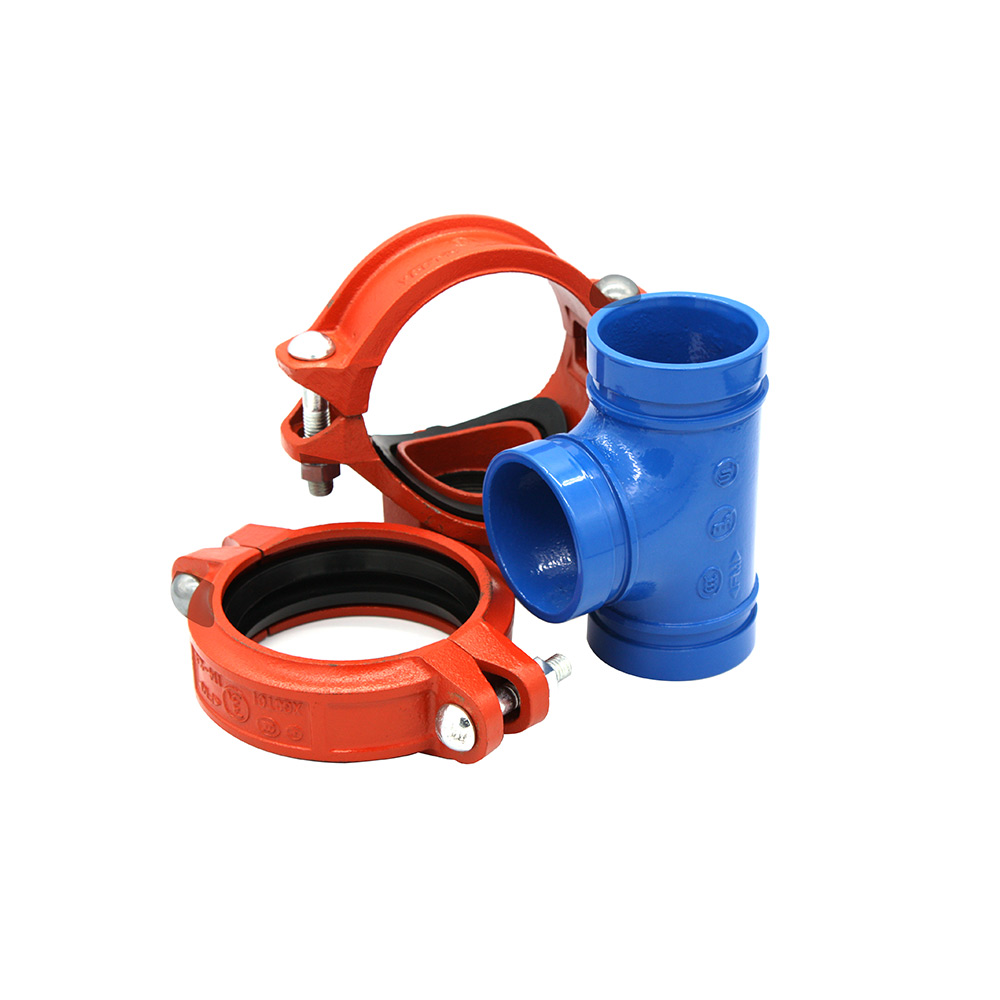
Hebei Jianzhi Foundry Group Co., Ltd. supplies industrial cast components using grey iron, ductile iron, and alloy steel materials. With experience across varied operating conditions, the company supports material decisions based on how parts actually perform in service.
Early engineering involvement helps align material choice with strength requirements, fatigue behavior, wear resistance, and long-term reliability.
Conclusion
Casting material selection influences far more than initial strength. It shapes fatigue life, wear behavior, maintenance needs, and total service life. When material decisions reflect real operating conditions rather than isolated specifications, components last longer and perform more predictably.
FAQs
How does casting material selection affect product lifecycle?
Material choice determines fatigue resistance, wear behavior, and thermal stability, which together define how long a component remains reliable.
Is ductile iron always a better option than grey cast iron?
Not always. Ductile iron improves toughness and fatigue resistance, but grey iron performs well in stable, vibration-sensitive applications.
When should alloy steel castings be considered?
Alloy steels suit high-load, high-temperature, or abrasive environments where extended durability outweighs higher manufacturing effort.
Can material selection reduce maintenance frequency?
Yes. Choosing materials that match real operating stresses often extends service intervals and lowers downtime.
When should foundry engineers participate in material decisions?
Early involvement helps align material choice with manufacturing capability and application demands before issues become costly.