
Fire protection work is full of details that most people never notice—until something goes wrong. A sprinkler line buried above a dropped ceiling might sit untouched for years, and then one day it’s suddenly asked to carry high-pressure water through pipes that have heated, expanded, and shifted during an emergency. When that moment comes, every connection has to hold. No excuses.
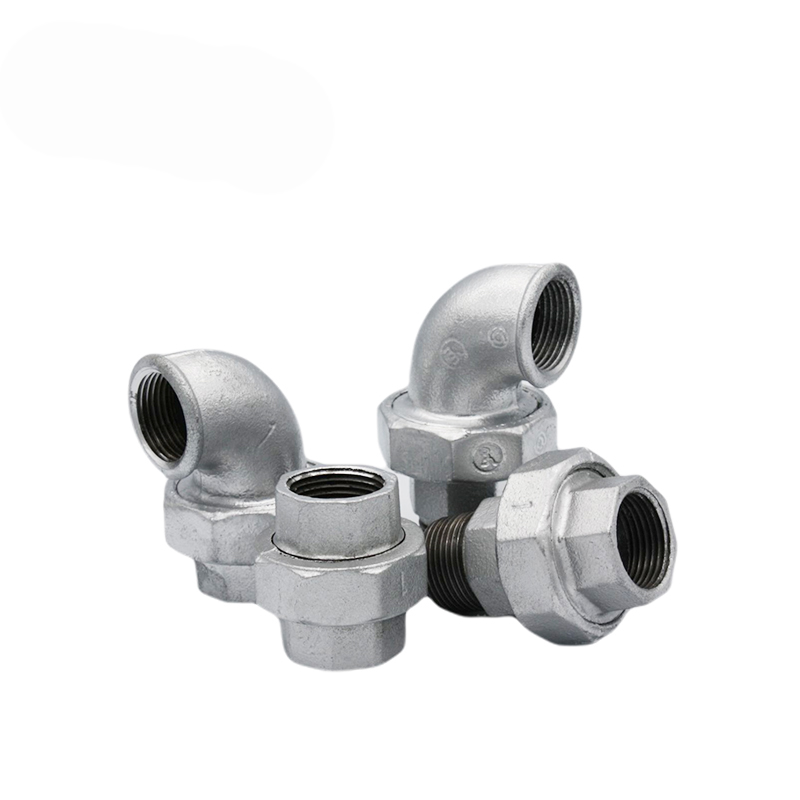
This is why malleable iron pipe fittings continue to be the standard choice for fire protection contractors, system designers, and building engineers. Other materials get tested from time to time, but once systems go into real buildings, malleable iron fittings almost always end up back in the conversation. They simply handle stress and temperature swings better than most alternatives.
In the sections below, we’ll look at what makes these fittings so reliable, where they’re used, and how manufacturers like Hebei Jianzhi Foundry Group Co., Ltd. support fire protection projects around the world.
What Fire Protection Systems Demand From a Fitting
The real operating conditions are rougher than they look
On drawings, a sprinkler system is clean lines and symbols. In an actual building, it’s exposed to:
- Sudden water hammer when valves open
- High static pressure in tall structures
- Heat from a fire that pushes pipes to expand
- Moisture, vibration, and movement over years of operation
- The occasional bump or shock during maintenance
A fitting that fails under any of these conditions puts the entire system at risk. That’s why the industry leans toward ductile, pressure-rated components—exactly the strengths of malleable iron.
Leakage isn’t just maintenance—it’s a safety issue
Even a slow leak can:
- Drop system pressure
- Delay sprinkler activation
- Trigger corrosion inside the pipe
- Fail routine hydrostatic inspections
In fire protection, a leaky fitting doesn’t just waste water. It could stop a sprinkler from working when people most need it.
Why Malleable Iron Pipe Fittings Perform So Well
The metal bends a little instead of snapping
The “malleable” in malleable iron isn’t marketing. After heat treatment, the iron develops a granular structure that’s unusually tough. Unlike gray cast iron, which can be brittle, malleable iron has enough give to handle stress without cracking.
In a fire, when pipes expand and pressure spikes, that flexibility makes a real difference.
Strong pressure ratings for today’s buildings
Many sprinkler systems operate at:
- 175 psifor standard buildings
- Higher ratingsfor high-rise or industrial systems
Malleable iron fittings are built to handle these pressures repeatedly, including the even higher pressures seen during system testing.
Good thread engagement and long-term sealing
Because the material is dense and uniform, threads cut cleanly. This helps:
- Form tight metal-to-metal seals
- Reduce thread stripping
- Keep joints secure during vibration
Once installed correctly, these fittings stay tight.
Stability under heat
During a fire, temperatures can rise faster than the pipes can release expansion stress. Malleable iron tolerates that thermal jump better than many cast materials, making it a safer choice for emergency environments.
Withstanding vibration, impact, and general wear
Mechanical rooms, warehouses, and industrial facilities all produce vibration. Over time, that vibration travels into the piping. Malleable iron fittings don’t loosen as easily and resist fatigue cracking—a key reason contractors trust them.
Where These Fittings Show Their Value
Factories and heavy industry
Sprinkler systems in plants deal with vibration from machinery, air movement, and even heat from process equipment. Malleable iron’s toughness helps the system stay tight without constant adjustment.
Warehouses with long pipe runs
Large distribution centers have long, elevated sprinkler lines. These lines store a massive volume of water, and when a valve opens, the pressure change can be brutal. Malleable iron fittings hold up well in these shock events.
Shopping centers and office complexes
Building owners look for stable, low-maintenance systems. A high-quality malleable iron fitting is unlikely to leak or corrode prematurely, which keeps inspection reports clean and reduces downtime.
High-rise systems
Because pressure increases with height, top-floor lines need hardware that can handle high static loads. Malleable iron fittings fill that need reliably.
Why Contractors Work with Hebei Jianzhi Foundry Group Co., Ltd.
Before we move into the conclusion and FAQs, here is the required company introduction.
Four decades of casting experience
Hebei Jianzhi Foundry Group Co., Ltd., founded in 1982, has grown into one of China’s major producers of malleable iron pipe fittings. The company’s long history in casting gives it clear advantages in consistency, process control, and product range.
Modern production equipment
Jianzhi operates automated molding lines, precision machining systems, and surface-treatment equipment. These tools help the company maintain tight tolerances—critical for fire protection threads that must seal immediately during installation.
Strict material and quality testing
From chemical composition checks to thread gauges and pressure testing, the company incorporates inspection into each stage of production. For fire protection work, where fittings must pass regular hydrostatic tests, this level of control matters.
A product catalog designed for real projects
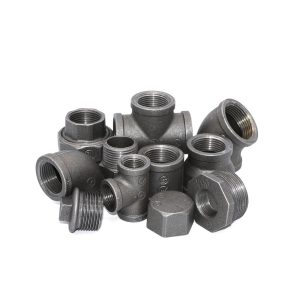
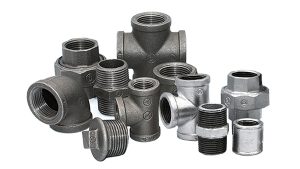
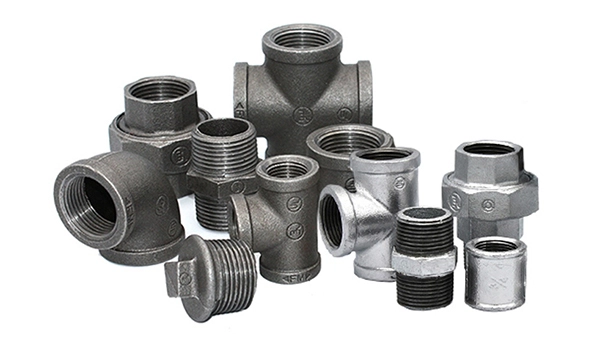
Jianzhi supplies elbows, tees, couplings, unions, bushings, caps, and many other fittings used in global sprinkler installations. Contractors appreciate a supplier who keeps inventory stable and ships quickly for time-sensitive construction work.
Conclusion
Fire protection doesn’t reward shortcuts. When a sprinkler line activates, everything in that network—pipe, fittings, valves—must behave exactly as designed. Malleable iron pipe fittings have stayed at the center of this industry because they bring together toughness, ductility, clean threads, and the ability to survive pressure swings that would damage lesser materials.
For contractors and engineers planning new buildings or upgrading older systems, choosing fittings from an experienced manufacturer such as Hebei Jianzhi Foundry Group Co., Ltd. means fewer surprises during installation, fewer leaks during inspection, and a system that keeps doing its job year after year. In a field where reliability saves lives, that combination is hard to beat.
FAQs About Malleable Iron Pipe Fittings for Fire Protection Systems
What makes malleable iron pipe fittings a strong match for fire protection work?
They handle pressure changes, expansion, and vibration without cracking. In sprinkler lines—where pressure can spike fast—this stability helps prevent leaks and joint failures.
Can these fittings handle the pressure found in high-rise sprinkler systems?
Yes. Malleable iron fittings are commonly used in buildings with high static pressure. Their wall strength and thread accuracy help them stay secure even in taller structures.
Do malleable iron pipe fittings require special maintenance?
Not really. Once installed correctly, they typically stay tight for years. Regular system inspections are still important, but the fittings themselves don’t require special treatment.
Are they resistant to heat during a fire?
Malleable iron holds its structure well when temperatures climb. This helps the joint remain intact if a fire heats the pipe rapidly.
Why do many buyers choose Hebei Jianzhi for fire protection fittings?
Jianzhi has decades of casting experience, strict testing processes, and a wide range of fittings. For fire protection contractors, that combination means dependable material quality and steady supply—two things that help keep projects on schedule.