
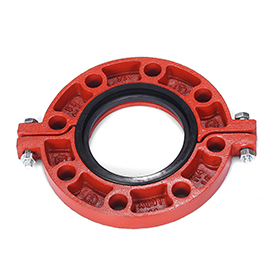
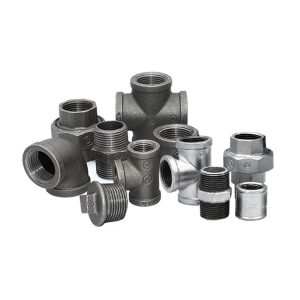

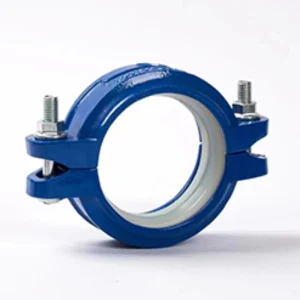
Grooved couplings offer straightforward, secure joints for ductile iron and steel lines in hot water HVAC work. The gasket fitted inside each coupling holds the seal firm against thermal growth, pressure variations, and ongoing exposure to circulating hot water. Choosing the correct gasket material prevents early failures—compression set, stiffening, or swelling—that bring leaks, unplanned shutdowns, and higher repair bills when heating demand peaks.
Commercial hydronic circuits generally run 140°F to 220°F. This breakdown looks at the core elements of gasket selection for grooved couplings in that range: compound properties, heat handling, common slip-ups, and workable selection routines. Sourcing teams and field contractors on hospital jobs, high-rise builds, or plant retrofits always weigh first cost against years of service and fluid match when pulling fittings for these systems.
Why Hot Water HVAC Systems Place Tough Demands on Grooved Coupling Gaskets
Hot water in hydronic heating paths puts pipes under steady elevated temperatures, usually mixed with glycol to guard against freezing or with inhibitors to fight corrosion. Those combinations wear down elastomers quicker unless the gasket compound stands up to the heat load.
Standard commercial runs sit between 160°F and 200°F, with short jumps toward 220°F at boiler outlets or under heavy load. Thermal cycling—constant warm-up and cool-down—drives thousands of compression and rebound cycles across the gasket’s life. If the formulation does not hold, permanent set builds, sealing pressure fades, and joints weep over time.
Site records show gaskets losing bounce and hardening after a few seasons in setups that push close to limits. A modest leak wrecks insulation, marks finishes, or stops critical operations in places like server rooms and clinics. Specifying the proper gasket maintains seal contact through the working temperature band and fluid profile.
Common Gasket Materials in Use for Grooved Couplings in Hot Water Service
Grooved couplings rely on elastomeric gaskets molded to seat in the housing and pipe grooves. EPDM leads in water-based HVAC because it works reliably with water, light chemicals, and mid-range heat.
Standard EPDM gaskets, marked with a green stripe, cover continuous hot water service up to about 180–200°F. Intermittent spikes can hit 230°F, but staying near the top for long stretches speeds compression set and cuts life. Peroxide-cured or upgraded EPDM pushes the continuous limit toward 230°F or a touch higher, giving better hold against heat aging in tougher loops.
Other compounds see spot duty in hot water. Nitrile manages oils well but falls apart fast in heated water, cracking or bloating in months. Fluoroelastomers take heat past 300°F, but the premium price and possible clashes with some water treatments keep them out of everyday hydronic jobs. Silicone handles dry extremes but acts differently under steady wet load in couplings.
Here is a side-by-side of the main picks for hot water HVAC grooved couplings:
Standard EPDM shows a green stripe and fits water, hot water, and dilute acids in a continuous span of roughly -30°F to 180–200°F for ongoing hot duty. It delivers good economics, solid water fit, and strong ozone/weathering resistance, though running above 200°F continuous accelerates breakdown.
Enhanced EPDM, often peroxide-cured, uses similar green or mixed striping and stretches to 230–250°F continuous in hot water with glycol. It lasts longer in high-heat commercial boilers or district heating lines.
Nitrile carries orange or red coding but stays under 150°F in water; it suits petroleum fluids better.
Fluoroelastomer features brown or yellow coding and climbs to 300–350°F, good for steam or harsh chemicals but usually oversized and pricier for typical hot water runs.
These numbers come from standard industry tests and maker specs for grooved pipe fittings. Actual field life ties to the exact mix, water treatment details, and how the joint goes together.
Step-by-Step Routine for Picking the Right Gasket in Grooved Couplings for Hot Water Systems
Run through a clear sequence to line the gasket up with real conditions and cut down on mismatches that cause trouble calls.
Start with the maximum continuous operating temperature from boiler readouts, pump curves, and design prints. Add headroom for brief spikes at full demand.
Then check fluid makeup. Clean water differs from mixes with 30–50% ethylene glycol or treatment chemicals. Glycol thickens things and changes how elastomers respond, so enhanced EPDM often proves the safer call at higher levels.
After that, pull the coupling maker’s sustained temperature limits for hot water. Focus on continuous figures rather than short bursts, since heating runs for long stretches.
Fit the gasket to the job. Loops under 180°F run fine with standard EPDM in most grooved couplings. When temperatures creep toward 200–220°F, go to enhanced compounds to keep compression set in check over 10–15 years.
Think about expected run time and how easy access will be. In buried risers or tall buildings, gaskets built for longer life offset a small added cost.
Confirm match with supplier sheets or third-party approvals. Get hold of hot water soak and cycle test data.
On install, stick to the listed lubricant—petroleum-free and safe for EPDM—to protect the lips. Draw bolts down in a star pattern for even squeeze and no pinching.
This flow lets buyers order grooved couplings with the right gasket already in place, skipping field changes and lifting system uptime.
Typical Mistakes in Gasket Selection for Grooved Couplings and Ways to Dodge Them
A handful of repeat errors pop up when gasket material gets short attention.
Pushing standard EPDM past its range in 210–220°F lines hardens it fast and brings leaks after 3–5 years. Avoid by double-checking continuous ratings and stepping to enhanced material when needed.
Putting oil-grade compounds like nitrile into hot water service swells them quickly and fails them. Always verify the fluid first.
Sloppy assembly—uneven torque or no lube—pinches the gasket and leaves soft spots. Follow the right compound and pattern every time.
Missing glycol percentage ignores its aging push. Enhanced EPDM deals with higher glycol better.
Downplaying thermal cycling shortchanges seal toughness. Use flexible couplings where movement shows up to ease the load.
Catching these at the spec stage stops most of the hydronic failures seen on jobs.
About Hebei Jianzhi Foundry Group Co., Ltd.
Hebei Jianzhi Foundry Group Co., Ltd., through the Vicast brand, has built grooved pipe fittings since 1982. As a national high-tech enterprise, it holds over 200 patents and helps shape six national standards, five industry standards, and four group standards, including work on GB/T3287, GB/T9440, and GB/T25746.
Facilities span 1.4 million square meters with about 4500 staff, including more than 350 engineers. Quality and environmental controls meet ISO 9001 and ISO 14001. The range covers full grooved couplings—rigid and flexible—plus tees, crosses, flanges, and adapters made for steady performance in HVAC, fire protection, and industrial piping.
Products reach over 100 countries, showing ongoing focus on tough, certified parts that back safe, efficient building systems around the world.
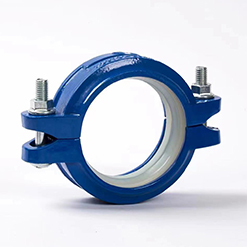
Vicast grooved couplings use ductile iron bodies with standard EPDM gaskets rated for hot water within listed limits, providing solid sealing in hard service.
Conclusion
Picking the proper gasket material for grooved couplings in hot water HVAC systems takes close review of temperature patterns, fluid details, and service expectations. EPDM acts as the main go-to for most setups, with enhanced types covering higher heat needs. Using a step-by-step check and sidestepping frequent errors helps engineers and buyers specify couplings that run leak-free for years, lowering upkeep and cutting disruptions.
Frequently Asked Questions
What is the best gasket material for grooved couplings in hot water HVAC systems?
EPDM stands out as the top pick for hot water circuits due to its strong fit with water and mid-range temperatures. Standard grades hold up well to 180–200°F continuous, while enhanced versions go further without quick loss of properties.
Can standard EPDM gaskets handle 220°F hot water in grooved couplings?
Usually not for long stretches. Standard EPDM runs higher risk of compression set and leaks above 200°F continuous; systems nearing 220°F gain from enhanced EPDM to keep seals working longer.
What temperature rating should grooved couplings have for heating systems?
Stress continuous hot water ratings over brief peaks. Standard EPDM couplings cover 180–200°F sustained, with enhanced grades reaching 230°F or more for heavy commercial use.
How do I prevent gasket failure in hot water grooved pipe fittings?
Match the material to true temperature and fluid, use correct lubrication on assembly, torque bolts evenly, and pick enhanced EPDM for 200°F or above. Run early checks at startup to catch problems fast.
Are enhanced EPDM gaskets worth the extra cost for high-temperature hot water HVAC?
Yes in loops that hit over 180°F often or run glycol—they stretch service time, drop replacement needs, and reduce leak chances in key jobs where downtime hits hard.