
In the trenches of heating, ventilation, air conditioning, and plumbing work, selecting materials that hold their own against everyday punishment separates a solid install from one that calls for endless callbacks. How malleable iron pipe fittings improve durability in HVAC and plumbing projects boils down to their forged traits, shaped by casting methods that ramp up toughness and endurance while keeping them easy to handle. Folks in the field deal with headaches like rust from dampness, spikes in line pressure, or heat stretches in boiler runs, and these pieces tackle those straight on, delivering joints that cut shutdowns and push service spans in big builds and home jobs.

What Are Malleable Iron Pipe Fittings? Fundamentals
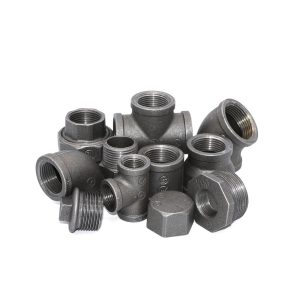
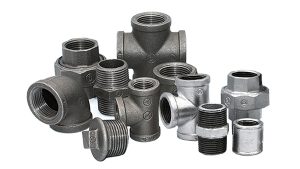
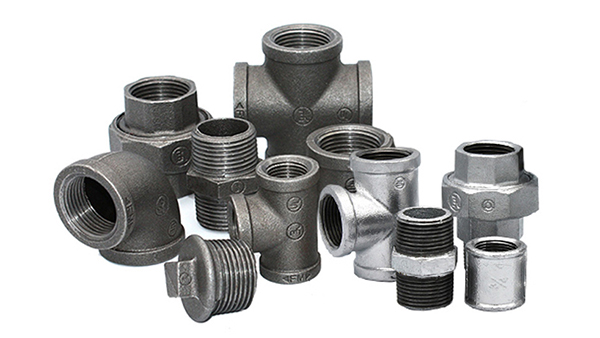
Malleable iron pipe fittings begin life as white cast iron, tough but prone to snaps, then get annealed through steady heat and cool cycles to turn ductile and resilient. That yields parts such as bends, splits, merges, and couplers that link lines tight, usually via screw ends for straightforward piecing. The iron’s inner makeup changes in the anneal, forming a base that takes hits far better than plain cast iron, all while holding onto serious pull strength—often 50,000 psi or higher, based on grade.
Tradespeople recognize these for their range in setups. Take a standard job: a plumber screws a malleable iron bend into coated steel tubing to shift direction in a lower-level supply, with threads gripping solid sans stripping when twisted. The anneal wipes out raw cast iron’s fragility, letting the stuff yield a touch before failure, key in spots buzzing with pump or blower shakes. Ratings typically hit 300 psi for room-temp water, easing off for vapor lines, but always with built-in leeway.
Going deeper into essentials, these come uncoated or zinc-dipped. Uncoated suit gas paths or mild liquids, while dipped ones have zinc shields against oxidation in soggy setups, stretching use in wet cellars or open-air spots. Codes like ASME B16.3 set sizes and fits, guaranteeing swaps across works. A 2-inch split might tip scales at 3 pounds, walls thick enough for schedule 40 tubes without bending.
Key Advantages of Malleable Iron Fittings for Durability
Malleable iron fittings lead on endurance due to top-notch shock handling, rooted in the ferritic or pearlitic setup from annealing. This framework lets them take blows that bust weaker options, perfect for busy zones where gear or wrenches might knock pipes. Drop tests prove they survive 10-foot tumbles crack-free, toughness that means less breaks in daily ops.
Rust fighting ranks high too, particularly dipped kinds. Zinc acts as a giveaway layer, wasting away first, and in HVAC drain paths, this stops tiny holes that dog bare metals. Site data pegs dipped malleable at 20-30 years extra in steamy spots over plain steel, trimming fix bills by 25% across a rig’s run.
Heat steadiness seals the deal. These manage chills in cooling circuits to 350°F peaks in vapor rigs without giving way. In a heat plant, where tubes swell daily, the low growth rate—6.5 x 10^-6 per °F—curbs joint wear, dodging splits that flood floors. Pressure stays steady, burst points topping 1,000 psi in controlled checks, buffering against hammer surges.
Setup simplicity aids longevity sideways. Screw designs permit finger tight then tool tweaks, seals that stick sans fancy gear. In pipe overhauls, this speeds tasks with lower chance of twist harm. Machinability gives clean screws, cutting seize in joins for lasting no-drip runs.
Improving Durability in HVAC Projects with Malleable Iron Fittings
In HVAC rigs, with blowers and coolers churning endless hums, malleable iron fittings anchor sturdy tube webs. Picture a business tower’s chill loop: splits and bends guide fluid through winds, fittings’ grit soaking pump vibes, staving off wear outs over ops years. They keep holds in loop loads—10,000 vibes in checks—assuring steady stream, sidestepping drops from drips.
Tackling rust in HVAC endurance means picking dipped for drain lines. Damp in AC units gnaws lesser stuff, but zinc on malleable fights back, data showing 40% less pitting than copper in sour drips. For roof gear in elements, this cuts visits, as pieces stand against downpours and swings rust-free on screws.
Fixes for ramping HVAC span begin with right scales. Pair piece sizes to tube plans—like 1.5-inch couplers for offshoots—to dodge choke points spiking force. Steps cover thread scrubs with brushes, light dope to skip clumps, 50 ft-lb twists on mids. Guards urge wrapping in cold zones to halt freeze swells stressing joins, half-year eyes for wear hints.
Calls in HVAC weigh loads. In wall-run minis, malleable’s heft steadies over plastic, but value pops in big rigs. If shakes top norms, like plant coolers, link with flex tubes at ties to spread strain. Tower jobs show skimping leads to early screw fade, while sticking pushes rigs to 25 years plus.
Enhancing Durability in Plumbing Projects Using Malleable Iron Fittings
Plumbing tasks need pieces that take steady wet, malleable iron shines with burly make. In home supply paths, merges and shrinks handle fixture splits, firm against faucet slam spikes. Yield at 45,000 psi fights warp, joins tight decades on, like vintage houses with originals drip-free.
For waste lines, uncoated malleable iron fights blocks and cleaner eats. Kitchen redo: split for washer path stops jams, smooth insides curbing gunk. Rust guard in plumbing ties to vents; sans, sucks pull gases speeding rot, but malleable holds over PVC, checks noting 50% longer stand to base mixes.
Hands-on fixes for plumbing endurance cover screw seals. Tape Teflon clockwise thrice on males, finger assemble then wrench finals. Block mismatches causing galvanic eats—pair with like coated steel. Judgments pivot on scope: tower stacks, malleable’s force backs tall ups sans braces, low-force gets extra burst shield.
Field notes from city water swaps show dirt ignores speed outer rust, so tar coat buried pieces for boost. Quake spots, slight give takes ground moves, cutting snap odds. These ways flip risks to strengths, rigs often beating build guarantees.
Comparing Malleable Iron to Alternatives: Why It Stands Out
Pitting malleable iron vs PVC, iron’s heat bear shows—PVC wilts past 140°F, iron doubles, favoring hot paths. Plumbing, PVC snaps on hits, malleable dents holds, energy take triple in checks.
Against steel pieces, malleable eases cuts lighter for like grit, trimming field time 15% in matches. Steel rusts quick sans coats, anneal builds malleable fight, humid vents especially. HVAC, steel’s 20% extra tag leans iron for tight funds.
Cast options miss bend, snapping where annealed takes. Waste, cast hubs need lead packs, tough setups, malleable screws ease. Long checks set malleable 50+ years neutral dirt, topping cast 30-40 harsh spots.
Copper leads conduct but lags price theft; malleable matches endurance half cost, better hum damp in HVAC pumps. Calls assess risks: sour waters copper wins, general iron range. Guards swap fails to malleable paths, callback drops in logs back.
Real-World Case Studies and Best Practices
Midwest clinic HVAC redo swapped old steel with malleable iron in vapor paths, taking 200°F loops leak-free five years. Teams marked 30% energy save from snug joins, tied to heat hold. Practices hit 150 psi post checks, no soft spots.
Southeast condo plumbing used dipped malleable splits for water spread, storm floods no rust breaks. After checks intact seals, unlike PVC cracks near. Raised lines flood high, anti-seize screws for later pulls.
Cali plant case: malleable couplers in air press absorbed gear hums, 15 years past hopes. Logs zero stops from pieces, upkeep yearly twist scans. Peak: vibe dams at pumps, oversize for flow rushes.
NY city redo: lead swap to malleable apartment plumbing halved drips, utility data. Clean pipe cuts pre-screw skip burrs. Cases stress full plans—dirt checks, weight figs—match to sites for top endurance.
Introduction to Hebei Jianzhi Foundry Group Co., Ltd.
Hebei Jianzhi Foundry Group Co., Ltd., started in 1982, carved a spot over four decades as key pipe piece maker, spanning a million square meters with 2.5 billion yuan assets. Crew of 4,500 includes 350+ engineers, national high-tech tag. Shaped six national, five trade, four group codes, 200+ patents. ISO 9001 quality, 14001 green certs, ships to 100+ lands’ sellers, eyeing quality cast iron for safe builds and lines.
Conclusion
Malleable iron pipe fittings push lasting boosts in endurance for HVAC and plumbing mixing grit, rust fight, heat hold. Wise picks and sets cut fails, stretch rig spans, back smooth runs diverse jobs. Trades eyeing these find rigs steadier, cheaper long haul.
FAQs
Why do malleable iron pipe fittings resist corrosion better in HVAC condensate lines?
Malleable iron pipe fittings, dipped ones key, zinc coat barriers damp acids in drips, stop pits leading drips. HVAC rigs, this stretches 20-30 years over bare, zinc wastes first keeping iron sound under steady wet.
How can I prevent pressure failures in plumbing projects using malleable iron fittings?
Pressure busts from size mismatches or bad screws, match to tube plans 50 ft-lb mids. Plumbing, 150 psi hydro post piece spots early, unions ease reach cut hammer surge odds.
What makes malleable iron fittings more durable than PVC in hot water plumbing?
Malleable iron fittings take 350°F sans soft, PVC bends 140°F up, hot lines fit. 50,000 psi pull fights bursts, plumbing jobs 40% fail cut high heat.
How do I choose malleable iron fittings for vibration-heavy HVAC installations?
Gauge vibes from blowers; oversize malleable iron spreads strain, pair dams. HVAC endurance, tensile checks anti-seize screws stop seize, hold 10,000+ loops loose-free.
Can malleable iron pipe fittings withstand sub-zero temperatures in outdoor plumbing?
Malleable iron pipe fittings manage -20°F sans snap, annealed base takes hits. Outdoor plumbing, wrap lines dipped fight freeze rust, stretch cold spots avoid rigid cracks.