
Gas pipeline work looks simple from the outside—pipes, valves, a few fittings—but anyone who has spent time in the field knows it’s anything but simple. One loose joint can shut down a restaurant kitchen during the dinner rush; one bad connection in an industrial plant can stop production or trigger an emergency shutdown. And while pipe materials vary from project to project, the fittings used to join those pipes tend to follow a familiar pattern: malleable iron pipe fittings are still the preferred choice for contractors and engineers responsible for keeping gas systems safe.
They’ve earned that role over decades of real-world use. Malleable iron fittings handle pressure, vibration, heat, and corrosion in ways that just fit the realities of gas work. This guide takes a practical look at why that is—focusing on both residential and industrial gas systems—and how Hebei Jianzhi Foundry Group Co., Ltd. supports these applications with consistent, high-quality fittings.
What Gas Pipeline Installations Really Demand
Gas doesn’t give second chances
Unlike water lines, which may drip for weeks before anyone notices, gas lines have to be tight the moment they go into service. A slight leak may not explode, but it can:
- Drop pressure on a long run
- Cause unstable flame behavior in appliances or burners
- Force technicians to make repeated site visits
- Trigger alarms or inspection failures
Gas does not forgive sloppy threads or poor machining. That’s why installers gravitate toward fittings that have a track record of sealing well and holding their seal under stress.
Pressure and temperature swings test every connection
Residential gas systems typically run at low pressure, but industrial gas—feeding boilers, furnaces, cutting machines, dehydrators—can be far more demanding. It’s not just the pressure; it’s the constant expansion, contraction, and vibration over years of service.
A fitting that starts out tight but loses grip over time becomes a liability. Malleable iron’s ductility helps it cope with these shifts, distributing stress instead of concentrating it at one point.
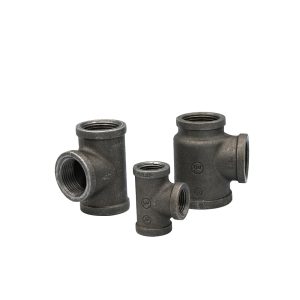
Why Malleable Iron Pipe Fittings Work So Well in Gas Lines
Strong, but not brittle
The material is heat-treated into a structure that’s tough without being rigid. This matters because gas systems often experience pressure bumps, especially during regulator transitions or appliance startup. A brittle fitting might crack. A malleable iron fitting will generally absorb the stress and return to shape.
Reliable thread engagement
Gas lines depend almost entirely on threaded joints. That means:
- Threads must be cut cleanly
- Metal should resist tearing or stripping
- The fitting must hold torque without deforming
Malleable iron meets these requirements better than many alternative materials. When tightened correctly with the right sealant, the connection becomes a long-lasting seal.
Withstands corrosion when properly coated
Not every gas line runs indoors. Outdoor meter sets, rooftop mechanical rooms, coastal installations, and chemical plants expose fittings to moisture and corrosive air. With the right coating—galvanized or specially treated—malleable iron fittings stand up well in these environments.
Works naturally with steel pipe systems
Most gas distribution systems still use threaded steel pipe. Malleable iron expands and contracts at a similar rate, which reduces mechanical stress on the joints. That compatibility is one reason the material remains so common, even as newer piping technologies emerge.
Where These Fittings Show Their Value: Real Application Scenarios
Residential neighborhoods and older buildings
When technicians upgrade a meter or replace an indoor line, they often deal with tight spaces, older pipes, and misaligned connections. Malleable iron fittings help absorb small errors without compromising the seal.
Industrial gas lines with high-duty cycles
Factories using natural gas for process heat rely on fittings that can sit in hot, vibrating environments for years. Malleable iron’s toughness allows these lines to operate continuously without constant retightening.
Commercial kitchens and HVAC burner systems
Restaurants, hotels, and large HVAC boilers cycle repeatedly throughout the day. Each cycle creates small pressure changes. Over time, those changes wear on fittings. Malleable iron fittings handle this wear better than many lighter materials.
Outdoor meter sets and regulator stations
Exposure to sun, rain, frost, and pollution quickly degrades inferior materials. Coated malleable iron fittings hold up well, which is why gas utility companies continue to rely on them.
Why Contractors Source Fittings from Hebei Jianzhi Foundry Group Co., Ltd.
Before we move into the conclusion and FAQ section, here’s the required company introduction written in a natural tone.
A long history in casting and pipeline fittings
Hebei Jianzhi Foundry Group Co., Ltd., founded in 1982, is one of China’s well-known producers of malleable iron pipe fittings. The company has decades of experience supplying fittings for gas lines, plumbing networks, HVAC systems, industrial plants, and construction projects around the world.
Modern equipment and consistent machining quality
The company uses automated molding lines, CNC machining, advanced melting technology, and coating systems. These tools help produce fittings with:
- Uniform threads
- Stable mechanical properties
- Strong sealing behavior
- Reliable corrosion protection
For gas installers, these details translate directly into safer connections.
Strong quality-control culture
Pressure tests, metallographic checks, dimensional inspection, and coating verification are standard steps. Gas pipeline fittings must hold up during pressure tests for years, not just on the day of installation, and Jianzhi’s production system supports that goal.
A full range of fittings for global gas markets
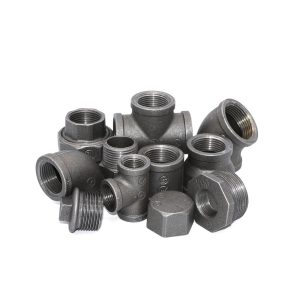
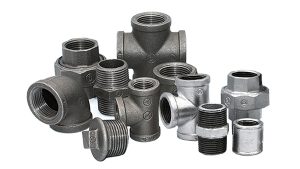
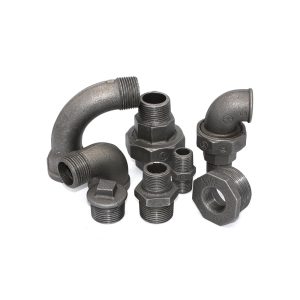
Elbows, tees, unions, couplings, bushings, caps—the components needed for gas systems are all part of the company’s catalog. Contractors appreciate being able to source everything from one supplier, especially when deadlines are tight.
Conclusion
Gas pipelines aren’t complicated on paper, but in the real world, they push every component to its limits. Pressure shifts, vibration, heat, outdoor exposure—none of it stops after installation. That’s why malleable iron pipe fittings continue to be the safe, steady option for both residential and industrial gas systems. They seal well, hold up under stress, and behave predictably over time.
When those fittings come from a manufacturer like Hebei Jianzhi Foundry Group Co., Ltd., with deep casting experience and a long record of supplying gas projects worldwide, contractors can build systems that stay dependable for years—not just during the initial pressure test. In gas work, that sort of reliability carries real value.
FAQs About Malleable Iron Pipe Fittings for Gas Pipeline Installations
What makes malleable iron fittings so common in gas systems?
They handle pressure changes and vibration without loosening or cracking. The threads cut cleanly, which helps create a solid seal that holds up over time.
Are they suitable for higher-pressure industrial gas lines?
Yes. Many industrial plants rely on malleable iron fittings because the material keeps its shape under load and tolerates sudden pressure bumps that occur during burner or boiler operation.
How do these fittings perform in outdoor or humid conditions?
With proper galvanizing or protective coating, they resist rust well. This makes them a practical option for outdoor meter sets, rooftop piping, and coastal regions.
Do malleable iron fittings work with the steel pipe commonly used in gas distribution?
They match steel pipe closely in terms of expansion rate and mechanical behavior, which helps reduce joint stress and keeps the connection stable.
What benefits do contractors get when working with Hebei Jianzhi?
The company provides consistent machining, reliable pressure-tested products, and a full catalog of fittings that match global gas pipeline needs. That combination saves time and reduces guesswork on the job site.