
In molti programmi industriali, ispezione diventa un argomento solo dopo che qualcosa è già andato male. Una parte supera i controlli in entrata, si muove attraverso l'assemblaggio e funziona senza problemi per un periodo di tempo. Poi si sviluppa una perdita, appare una crepa o le prestazioni diminuiscono in un modo che nessuno può immediatamente spiegare. A quel punto, i team tornano ai registri di ispezione alla ricerca di indizi che non erano mai destinati a rispondere a quelle domande in primo luogo.
Le colate di alta qualità non sono definite passando l'ispezione. Sono definiti da quanto rimangono prevedibili una volta esposti a cicli di carico, cambiamenti di temperatura, vibrazioni e abitudini di funzionamento reali. Ispezione dimensionaleLe prove non distruttive e le prove meccaniche rivelano ognuna qualcosa di diverso, ma nessuno di loro funziona in isolamento. Quando l'ispezione viene trattata come una fase procedurale, manca il rischio. Quando viene trattato come uno strumento di ingegneria, lo impedisce.
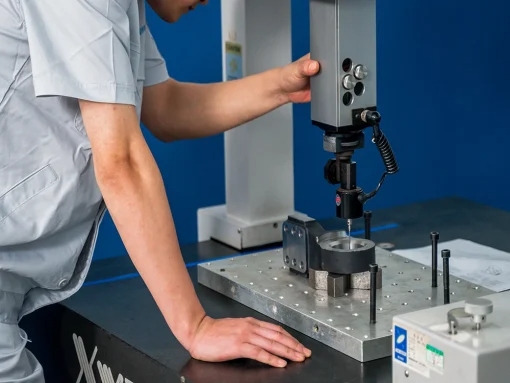
Perché l'ispezione fallisce quando viene trattata come una formalità
Le specifiche descrivono l’intento, non il comportamento
Un disegno definisce la geometria. Uno standard definisce le proprietà minime. Né descrive come una colata risponderà dopo migliaia di cicli operativi. Nei test controllati, i materiali si comportano in modo pulito. In servizio, i carichi fluttuano, le temperature variano e l'uso è raramente ideale. Queste condizioni espongono debolezze che i test di qualificazione non toccano mai.
Molti guasti risalgono alle colate che soddisfavano ogni requisito scritto. Il problema non era la non conformità. Era una fiducia sbagliata.
L'ispezione dovrebbe seguire la conseguenza, non l'abitudine
Non tutte le colate comportano lo stesso rischio. Un contenitore cosmetico e un corpo di ritenzione della pressione non dovrebbero mai essere ispezionati nello stesso modo, eppure in molte fabbriche lo sono. Ciò accade perché le routine di ispezione vengono copiate in avanti piuttosto che riconsiderate.
Quando la profondità di ispezione non corrisponde alla conseguenza del guasto, lo sforzo viene sprecato nei posti sbagliati e manca dove è più importante.
Ispezione dimensionale: necessario, ma spesso eccessivamente fidato
Cosa ti dicono in realtà i controlli dimensionali
L'ispezione dimensionale conferma che la geometria corrisponde al disegno. Ti dice se una colata sarà assemblata, allineata e interfacciata correttamente. Senza questo passo, nient'altro funziona. Per questo motivo, i controlli dimensionali sono di solito il primo cancello attraverso il quale passa una colata.
In molti progetti sono anche gli ultimi.
Che ispezione dimensionale non può vedere
La precisione dimensionale non dice nulla sulla solidità interna. Cavità di restringimento, grappoli di porosità, inclusioni e microcrepe rimangono invisibili. Questi difetti non impediscono l'assemblaggio. Evitano la longevità.
I progetti che si basano troppo sui dati dimensionali spesso scoprono problemi interni solo dopo che le parti sono entrate in servizio, quando le opzioni sono limitate e i costi sono più alti.
Test non distruttivi: informazioni con contesto richiesto
Test radiografici in produzione reale
L'ispezione a raggi X è comunemente utilizzata per cercare discontinuità interne. È efficace per rivelare porosità e restringimento in sezioni più spesse o geometrie complesse. In teoria, fornisce risposte chiare. In pratica, l’interpretazione conta più delle immagini.
Non tutte le indicazioni rappresentano una minaccia funzionale. È necessaria una valutazione esperta per separare le imperfezioni accettabili dai difetti che cresceranno sotto carico. Senza questo giudizio, la radiografia o respinge troppo o manca ciò che conta.
Test ad ultrasuoni come strumento focalizzato
Il test ad ultrasuoni è più utile quando l'ispezione mira aree di rischio note. Esso eccelle nella ricerca di difetti simili a crepe e la mancanza di fusione in zone specifiche. A differenza della radiografia, i suoi risultati dipendono fortemente dalle competenze dell'operatore e dalla configurazione.
Quando utilizzato deliberatamente, il test ad ultrasuoni riempie le lacune che i raggi X non possono. Quando usato in modo generico, crea rumore piuttosto che intuizione.
Ispezione focalizzata sulla superficie dopo la lavorazione
La lavorazione spesso espone difetti che erano precedentemente sigillati sotto la superficie. Le prove di penetrazione delle particelle magnetiche e dei coloranti sono ben adatte per individuare questi problemi prima che le parti si spostino in assemblaggio. Il loro valore sta nel tempo piuttosto che nella complessità.
Test meccanici: dove le rivendicazioni materiali incontrano la realtà
La durezza come avvertimento precoce, non un verdetto
Il test di durezza è spesso trattato come una metrica di passaggio/fallimento. In pratica, il suo vero valore sta nel rilevare le incoerenze. Una grande variazione della durezza in una colata di solito segnala un raffreddamento irregolare, fluttuazioni chimiche o problemi di trattamento termico.
Raramente questi segnali si risolvono da soli.
Prove di trazione e impatto nel contesto
Le prove di trazione forniscono resistenza e duttilità di base. Le prove di impatto mostrano come un materiale si comporta quando i carichi cambiano improvvisamente. Per le parti esposte a shock, vibrazioni o cicli termici, questi test rivelano vulnerabilità che le misurazioni statiche mancano.
I dati meccanici diventano significativi solo se interpretati insieme alle condizioni di servizio.
Stanchezza e comportamento a lungo termine
I fallimenti di stanchezza non si annunciano presto. Si sviluppano tranquillamente nel tempo. I materiali che sembrano forti sulla carta possono funzionare male sotto carichi ripetuti. Senza considerare la fatica, le aspettative del ciclo di vita rimangono speculative.
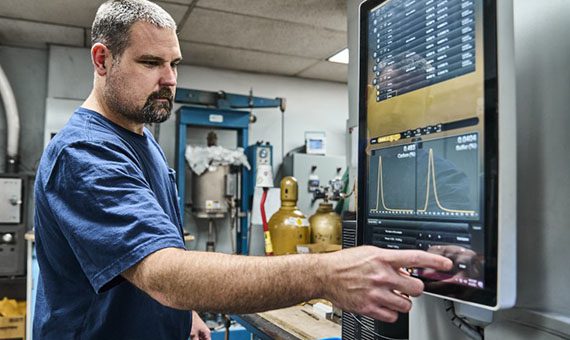
Progettare una strategia di ispezione che corrisponda alla realtà
Lascia che il rischio dell'applicazione guidi la profondità dell'ispezione
Le strategie di ispezione dovrebbero iniziare con una domanda: cosa succede se questa parte fallisce? La risposta dovrebbe determinare quali metodi di ispezione vengono applicati e quanto rigorosamente. Questo approccio riduce i test inutili rafforzando la copertura dove è importante.
Metodi combinati per ridurre i punti ciechi
L'ispezione dimensionale conferma l'idoneità. I test non distruttivi rivelano difetti nascosti. Le prove meccaniche convalidano il comportamento del materiale. Ogni metodo compensa i limiti degli altri. Usati insieme, riducono l’incertezza.
Trasformare i risultati delle ispezioni in azione
L’ispezione aggiunge valore solo quando i risultati influenzano le decisioni. Quando vengono identificati difetti, i team devono decidere se riparare, ridisegnare o regolare il processo. Le soglie decisionali chiare impediscono che l'ispezione diventi un lavoro di carta.
Ispezione in condizioni critiche per la sicurezza
Nei sistemi a pressione, nelle attrezzature di sollevamento e negli assemblaggi rotanti, l'ispezione ha uno scopo diverso. Non si tratta di conformità. Si tratta di fiducia. Queste applicazioni tolleranno poca incertezza e la profondità di ispezione deve riflettere questa realtà.
Il costo di un'ispezione più approfondita è spesso banale rispetto al costo del guasto in servizio.
Ingegneria e prospettiva di qualità da Hebei Jianzhi Foundry Group Co., Ltd.
Hebei Jianzhi Foundry Group Co., Ltd. si avvicina all'ispezione come parte del processo ingegneristico piuttosto che come punto di controllo finale. La verifica dimensionale, le prove non distruttive e la valutazione meccanica sono allineate al modo in cui i componenti dovrebbero funzionare una volta installati.
Discutendo precocemente le condizioni di servizio e collegando i risultati dell'ispezione al rischio dell'applicazione, il team di ingegneria aiuta i clienti a ridurre l'incertezza prima che la produzione avanza.
Conclusione
L'ispezione non garantisce da sola la qualità. rivela il rischio. I controlli dimensionali, le prove non distruttive e le prove meccaniche rispondono a domande diverse, e nessuno di loro è sufficiente da solo. Quando strategie di ispezione riflettono le condizioni di funzionamento reali piuttosto che i requisiti formali, le colate funzionano in modo più prevedibile e i progetti evitano sorprese in fase avanzata.
Domande frequenti
Perché l'ispezione dimensionale non è sufficiente per le colate industriali?
Perché i difetti interni e il comportamento del materiale sotto carico non possono essere valutati solo attraverso la geometria.
Quando dovrebbe essere prioritaria l'ispezione a raggi X?
Per colate spesse o a pressione dove le discontinuità interne potrebbero influenzare la sicurezza o la durata di servizio.
Quale ruolo svolge il test a ultrasuoni rispetto alla radiografia?
I test ad ultrasuoni mirano a tipi e zone di difetti specifici, mentre la radiografia fornisce una visibilità interna più ampia.
Le prove meccaniche prevedono la vita reale?
Fornisce input critici, soprattutto quando combinati con considerazioni di fatica e dati operativi reali.
Quando dovrebbe iniziare la pianificazione delle ispezioni?
Il più presto possibile, idealmente durante la revisione del progetto, prima che i vincoli di processo e costi limitino le opzioni.