
Picking the right flange connection impacts several factors. These include setup speed, labor needs, and job site safety. It also affects upkeep costs and how well the piping performs over time. Flange scanalate and welded flanges are both common choices. Builders use them to link pipes with valves, pumps, and other gear. Still, they have distinct setup methods and fit different uses. People often pick grooved flanges for quick mechanical setup and easy upkeep. On the other hand, welded flanges work best for lasting joints in tough piping setups. This guide compares these two options. It helps project engineers, contractors, and buying teams make a smart choice.
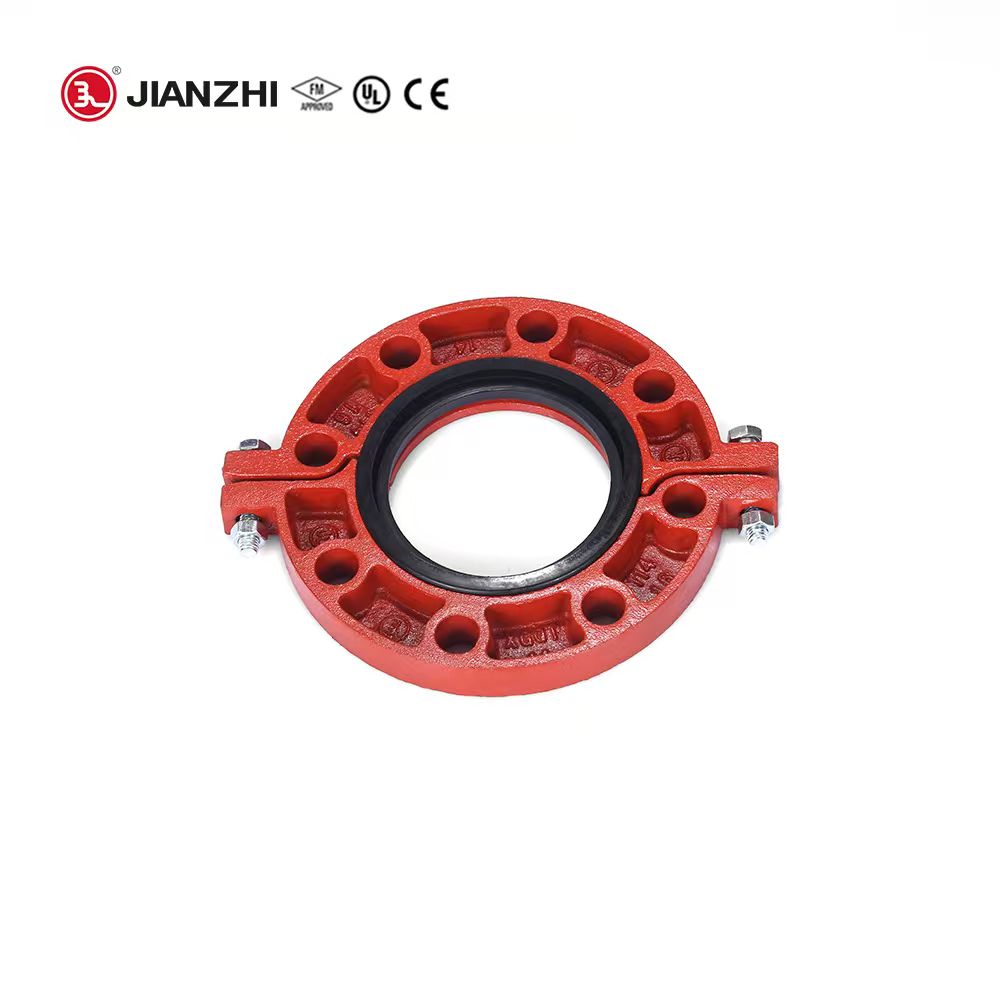
What Is the Main Difference Between a Grooved Flange and a Welded Flange?
The biggest difference lies in how each flange attaches to the pipe. This basic fact changes the setup process. It also alters the required labor skills, tool needs, and future upkeep.
How Does a Grooved Flange Connect to a Pipe?
A grooved flange goes onto a pipe with a ready-made groove near the end. The flange parts lock into this groove. They form a mechanical joint using bolts, housings, and seals.
This joint needs no welding at all. Therefore, workers can usually finish the setup using basic hand tools. Furthermore, crews can take the flange off later. This helps when the pipeline needs repairs, tweaks, or new equipment.
How Does a Welded Flange Connect to a Pipe?
A welded flange bonds permanently to the pipe through heat. Common types of this fitting include weld-neck flanges, slip-on flanges, and socket-weld flanges.
The fitting process involves several steps. Workers must prep the pipe, line it up, and do a tack weld. After that, they finish the main weld, check the work, and test the pressure. This job normally demands skilled welders and strict hot-work safety steps.
Which Flange Is Faster to Install?
Setup speed matters a lot. It is vital for commercial buildings, fire protection systems, factories, and upgrade jobs.
Why Is a Grooved Flange Usually Faster?
First, the worker preps the pipe groove. Next, they place the grooved flange and put in the seals. Finally, they tighten the bolts following the set rules.
This method takes less onsite labor than welding. In addition, it cuts down the hours spent on weld prep and cooling. It also saves time on joint checks and surface finishing.
Thus, grooved flanges can help shrink project timelines. This is very true when a job involves many flange connections.
Why Does a Welded Flange Take More Time?
A welded flange needs exact alignment and strict welding steps. The weld might also need visual checks or special testing. Sometimes, it needs extra surface work based on project rules.
Crews might also need hot-work permits and fire guards. Good airflow and safety barriers are often a must. All these extra steps add to the total setup time. This delay happens mostly in busy buildings or tight spaces.
Which Flange Is Better for Maintenance?
Buyers must think about future upkeep before picking a flange connection. Some piping layouts need steady access to pumps, valves, and filters.
Are Grooved Flanges Easier to Remove?
Yes, they are. A grooved flange forms a joint you can take apart. First, crews shut off and drain the pipeline. Then, they simply loosen the bolts and pull the flange assembly away.
This handy trait makes it simpler to swap out gear or shift the pipe layout. It also helps when growing the system or checking nearby parts. Workers can even reuse the flange. It just needs to stay in good shape and meet the maker’s rules.
Are Welded Flanges More Difficult to Replace?
A welded flange creates a lasting bond with the pipe. You can unbolt the front faces to open the line. Still, swapping the actual flange normally forces you to cut the pipe and weld a new one.
This extra work can drag out shutdown times and raise upkeep costs. Even so, this fixed bond works well for piping systems that rarely change.
Which Flange Provides Better Safety During Installation?
Both flange types work reliably when chosen and fitted right. Yet, they bring different risks during the setup stage.
How Can Grooved Flanges Reduce Hot-Work Risks?
Putting in a grooved flange normally avoids open flames. It does not need welding arcs or intense heat at the joint.
This safer method lowers the threat of fire and toxic fumes. It also stops heat damage to nearby gear. This benefit shines in upgrade jobs, mechanical rooms, and active factories where hot work faces strict limits.
Still, crews must follow the exact groove sizes and gasket rules. They must also use the right bolt-tightening steps and pressure tests.
When May Welded Flanges Be More Suitable?
Welded flanges often win out for high-heat tasks. They also suit harsh processing conditions and heavy-duty industrial jobs. Some projects simply demand welded builds by rule.
The final pick must look at working pressure and heat levels. Engineers must also check the pipe material, fluid type, and vibration risks. Rust, metal fatigue, and local building rules matter too.
Which Flange Is More Cost-Effective?
The true cost of a flange connection goes beyond the price tag. Buyers must also weigh labor, tools, and safety steps. Testing, downtime, and future upkeep play big roles in the budget.
Where Can Grooved Flanges Reduce Costs?
Grooved flanges can cut down onsite labor and speed up the build. They also drop expenses tied to hot-work permits and welding gear. Savings grow by avoiding fire guards and costly weld checks.
Their modular design offers even more savings down the road. This helps when swapping gear or changing the pipe path later.
But the real cost edge relies on a few details. These include pipe size, total quantity, and local labor rates. Groove prep methods and specific project rules also shift the final math.
When Can Welded Flanges Be Economical?
Welded flanges make financial sense if the whole project already uses welded pipes. The extra setup cost stays low if skilled welders and testing tools are already on site.
These fittings also fit well in fixed piping setups. They are perfect when future changes remain highly unlikely.
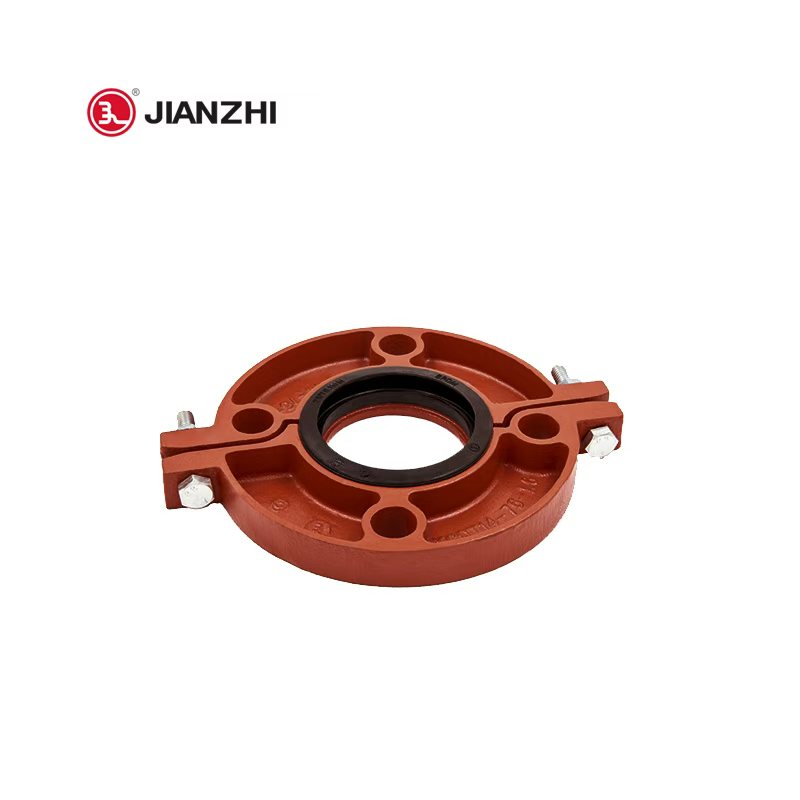
Why Choose Hebei Jianzhi Foundry Group Co., Ltd. as a Grooved Flange Supplier?
Picking a trusted supplier is crucial. It ensures steady product quality and exact specs. It also guarantees solid support for your project.
What Grooved Flange Products Does Jianzhi Offer?
Hebei Jianzhi Foundry Group Co., Ltd. is a seasoned maker of cast iron and ductile iron pipe fittings. Through its VICAST product line, the firm offers grooved flanges for many uses. These include fire protection systems, HVAC setups, water lines, and industrial pipes.
Its grooved flange lineup covers various pressure classes, shapes, and pipe sizes. Buyers can find handy options like adaptor flanges and split flanges. These choices help users match the exact needs of their pipelines.
The firm boasts strong factory output and strict testing steps. It also has deep global market knowledge. Thus, Hebei Jianzhi Foundry Group Co., Ltd. stands as a solid grooved flange supplier for sellers, builders, and large engineering jobs.
Which Flange Should You Choose for Your Project?
The best choice relies purely on the specific task. There is no single rule for every job.
Pick a grooved flange for fast setup and less hot work. It also brings easy upkeep and future flexibility. This fitting shines in fire protection systems and HVAC networks. It works great in commercial buildings and remodeling tasks.
Select a welded flange when the system needs a fixed bond. It is ideal for harsh working conditions. It is also required when building codes demand welded joints.
Engineers must look at several details before making a final call. They should check the system pressure, heat, and pipe material. The fluid type, upkeep plan, site setting, and local codes matter just as much.
Conclusione
Grooved flanges and welded flanges both bring distinct perks. Grooved flanges mostly deliver quicker setup and fewer hot-work hazards. They also offer simpler removal and better upkeep options. Meanwhile, welded flanges give a lasting bond. They often suit extreme working conditions or purely welded pipe setups.
Grooved flanges strike a great balance for many jobs. They blend setup speed, solid performance, and long-term ease for fire protection, HVAC, and water lines. Partnering with a reliable supplier like Hebei Jianzhi Foundry Group Co., Ltd. is a smart move. It helps buyers get the right grooved flange products for their unique tasks.
Domande frequenti
Can a Grooved Flange Replace Every Welded Flange?
No, it cannot. Teams must check the pressure, heat levels, and pipe material first. They must also look at the fluid type, flange rules, and groove sizes. Project specs matter heavily. Final approval from an engineer is often necessary.
Do Grooved Flanges Require Regular Inspection?
Yes, they do. Workers should inspect grooved flange connections for leaks and rust. They must also watch for worn gaskets, loose bolts, and odd pipe shifts. The timing of these checks must follow system needs and the maker’s advice.
Are Grooved Flanges Suitable for Fire Protection Systems?
Yes, makers design many grooved flanges just for fire protection piping. Still, the chosen item must hit the right pressure mark and pipe size. It must also match technical rules, carry the right stamps, and follow local fire safety codes.