
Wer an einem Bauprojekt in Italien gearbeitet hat – insbesondere in Regionen wie den Abruzzen, Umbrien oder Sizilien – lernt schnell, dass seismische Fragen nie lange theoretisch bleiben. Die Menschen erinnern sich an vergangene Erdbeben, Inspektoren drängen nach stärkeren Systemen und sogar Routineinstallationen verwandeln sich oft in Gespräche darüber, wie sich Rohre verhalten, wenn der Boden schüttelt. In diesem Umfeld ist das Interesse an Rillenrohrverbindungen Es ist immer größer geworden, manchmal leise, manchmal ganz bewusst, als Ingenieure überdenken, wie mechanische und Brandbekämpfungsnetze sich mit einer schwankenden Struktur bewegen sollten.
Die übliche Annahme in älteren Gebäuden war, dass Schweißleitungen oder Gewindestahl „besser halten“ würden. Aber Feldinspektionen nach mehreren italienischen Erdbeben erzählten eine andere Geschichte. Branddämpfungsleitungen, insbesondere starre, gehörten oft zu den ersten nicht strukturellen Komponenten, die ausfielen. Ein Gebäude könnte stehen bleiben, aber sein Sprinklersystem könnte Druck verlieren, wenn ein Schweißgelenk unter seitlicher Drift riss. Rund um diesen Punkt traten Rillenrohrverbindungen in die Diskussion ein – nicht als neuer Trend, sondern als praktische Reaktion auf etwas, was die Menschen bereits gesehen hatten.
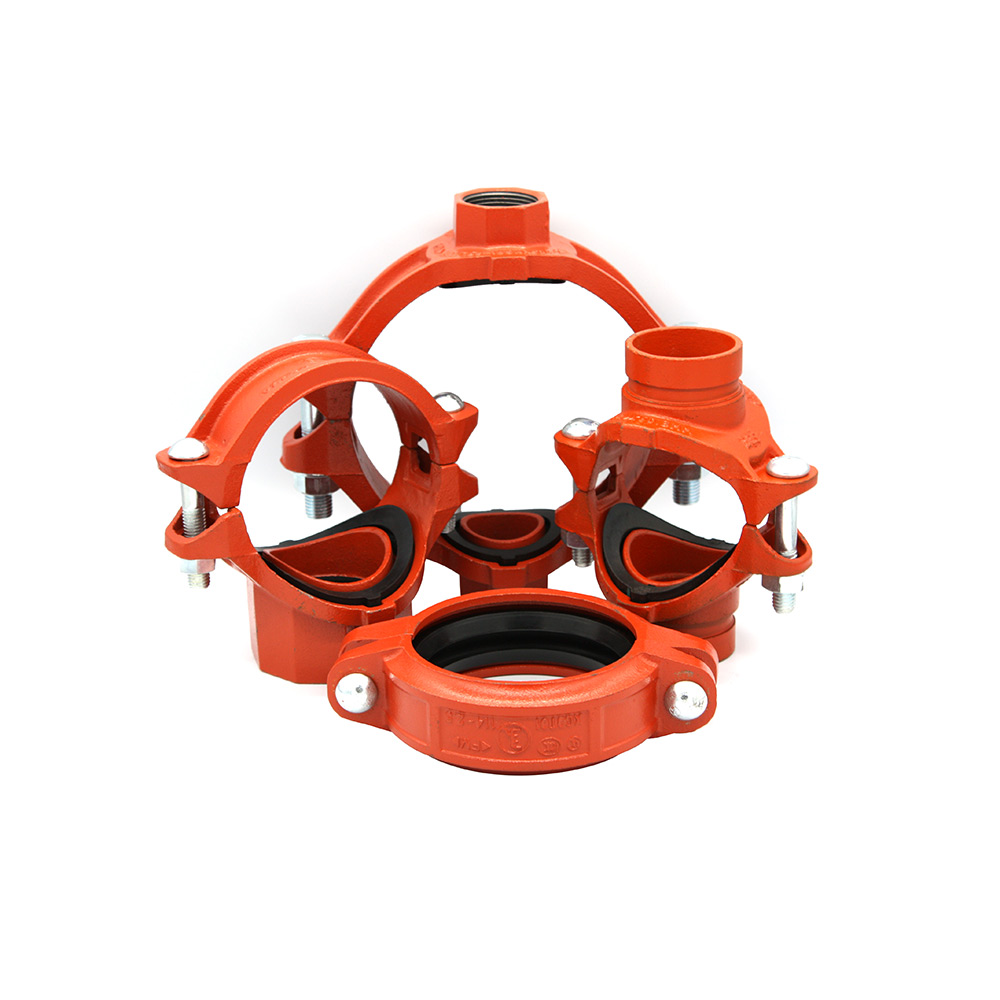
Warum seismischer Widerstand im Mittelpunkt dieser Debatte steht
Ein mechanisches System im Inneren eines Gebäudes erlebt kein Erdbeben wie der Gebäuderahmen. Böden bewegen sich nicht synchron, Rohre, die an langen Hängern aufgehängt sind, schwingen dramatischer als die nahe gelegenen Balken, und die Verbindungen, die während der Installation fest aussehen, werden plötzlich zu den gebrechlichsten Punkten. Italienische Codes, die im Laufe der Jahre strenger geworden sind, spiegeln jetzt dieses Verständnis wider. Sie drängen Designer dazu, nicht nur über Druckwerte nachzudenken, sondern auch darüber, wie sich ein Brandschutzsystem dynamisch verhält.
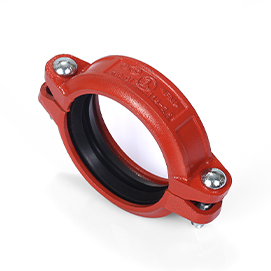
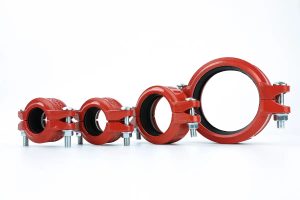
Rillte RohrverbindungenInsbesondere diejenigen, die für seismische Widerstandsfähigkeit gebaut wurden, führen eine Art „mechanisches Geben“ ein, das Schweißsysteme einfach nicht bieten können. Anstatt jeder Bewegung Widerstand zu leisten, ermöglicht eine Nutkupplung eine kontrollierte Menge an Axialspiel und Winkeldrehung. Dies ist kein Kompromiss in der Stärke; Es ist eine andere Philosophie - akzeptieren, dass sich das System bewegen wird und die Fähigkeit aufbauen, diese Bewegung aufzunehmen.
Mehrere seismische Schütteltafelstudien unterstützen diese Idee. Bei mehrrichtungsweisenden Impulsen behielten die Rillenkupplungsverbindungen ihre Dichtung auch während der deutlichen Verschiebungen der Rohre. Die Dichtung komprimiert und bewegt sich auf Weise, die ein starres Gelenk nicht kann, wodurch die Spannungsspitzen reduziert werden, die normalerweise einen Bruch verursachen.
Wie Rillengelenke reagieren, wenn sich das Gebäude bewegt
Jeder, der während eines Erdbebens ein aufgehängtes Rohrschütteln beobachtet hat, weiß, wie unvorhersehbar sich die Bewegung anfühlt. Es folgt nicht einem sauberen, einachsigen Muster. Rillte Rohrverbindungen helfen, indem sie diese Energie entlang des Systems verteilen, anstatt sie an einem unerbittlichen Punkt konzentrieren zu lassen.
Wenn das Gebäude driftet, ermöglicht die Rillenkupplung, dass die Rohrenden leicht innerhalb des Gehäuses gleiten. Bei der Rotation lässt sich die abgerundete Nutgeometrie des Rohres artikulieren. Keine Bewegung bricht die Dichtung, da sich die Dichtung als Reaktion auf den Innendruck komprimiert. In der Praxis bedeutet dies, dass das Gelenk in der Regel nicht das erste ist, was ausfällt - tatsächlich blieben in vielen italienischen Industrieanlagen, die nach seismischen Ereignissen geprüft wurden, Rillensysteme in Betrieb, auch wenn sich nahe gelegene starre Leitungen öffneten.
Dieser Vorteil wird in älteren italienischen Gebäuden wichtig, wo die strukturelle Steifigkeit von Raum zu Raum variiert. Diese unregelmäßigen Muster verursachen unerwartete Rohrverschiebungen. Ein Rillsystem, weil es eine kontrolliertere Flexibilität hat, neigt dazu, diese Unregelmäßigkeiten anmutiger aufzunehmen.
Warum italienische Auftragnehmer und Ingenieure sich auf Nutsysteme verlagern
Das Interesse an Rillenrohrverbindungen geht nicht nur um seismische Widerstandsfähigkeit. Italienische Baustellen haben praktische Einschränkungen: begrenzte Einbaufenster, strenge Einschränkungen bei Heißarbeiten und die Herausforderung, genügend zertifizierte Schweißer für große Projekte zu finden. Mit Rillenkupplungsverbindungen können Installateure lange Rohrabschnitte ohne Schweißen, Gewinde oder schwere Vor-Ort-Fertigung montieren.
In modernen Logistiklagern, die sich heute schnell im Po-Tal und im Venetien ausbreiten, ist Geschwindigkeit wichtig. Brandbekämpfungssysteme müssen nach Zeitplänen installiert und getestet werden, die wenig Raum für Nachbearbeitung hinterlassen. Für seismische Zonen ist der Bonus, dass dieses schnellere System auch bei Erdbeben besser funktioniert.
Dies ist einer der Gründe, warum Berater, die Spezifikationen für Krankenhäuser, Flughäfen und Rechenzentren in seismischen Zonen 1 oder 2 schreiben, zunehmend auf Rillenrohrverbindungen verweisen. Die Systeme sind vorhersehbar, einfach zu modellieren und leichter zu überprüfen. Vorhersägbarkeit zählt sehr in einem Land, in dem seismische Leistung nicht optional ist.
Fertigungsqualität: das Teil, das die meisten Menschen nicht sehen, aber absolut wichtig ist
Nicht jede Rillenkupplung auf dem Markt führt unter seismischer Belastung dasselbe aus. Die Geometrie der Nut, die Ductilität des Eisens, die Dicke des Gehäuses, die chemische Stabilität der Dichtung - all diese Details bestimmen, wie sich das Gelenk bei Spannung verhaltet.
Hier wird der Herstellungshintergrund von Hebei Jianzhi Foundry Group Co., Ltd. relevant. Seit 1982 produziert das Unternehmen Eisenbeschläge und hat sich zu einem großflächigen Gießereibetrieb mit CNC-Bearbeitung, gesteuerten Gießprozessen und automatisierten Inspektionen entwickelt. In seismischen Regionen ist Konsistenz wichtiger als Rohstärke. Ein System scheitert am schwächsten Gelenk, nicht am stärksten. Der Fokus von Jianzhi auf Dimensionsgenauigkeit, metallurgische Kontrolle und Dichtungsformulierung bietet Designern eine zuverlässigere Grundlage bei der Spezifizierung von Rillenkupplungssystemen für erdbebenfällige Bereiche.
Schlussfolgerung
Die oft gestellte Frage: ob Rillenrohrverbindungen kann wirklich seismische Widerstand in Italiens Erdbeben anfällige Zonen liefern - scheint weniger geheimnisvoll, sobald die Beweise vorgelegt sind. Die Verbindungen verhalten sich anders als Schweißsysteme, nicht schwächer oder stärker im einfachen Sinne, sondern anpassbarer an die Realität einer Schüttelstruktur. Sie reduzieren konzentrierte Belastung, halten Dichtung auch unter Verschiebung und bieten Installationsvorteile, die sich gut mit moderner italienischer Konstruktion passen.
Für ein Land, das seit Jahrhunderten mit Erdbeben gelebt hat, sind diese Eigenschaften weit davon entfernt, theoretisch zu sein. Sie beeinflussen echte Entscheidungen in realen Gebäuden, insbesondere in Brandbekämpfungssystemen, bei denen Ausfälle schwere Folgen haben. Wenn sich der Trend fortsetzt, werden Rillenrohrverbindungen wahrscheinlich in vielen italienischen seismischen Projekten nicht nur eine Alternative, sondern eine bevorzugte Lösung werden.
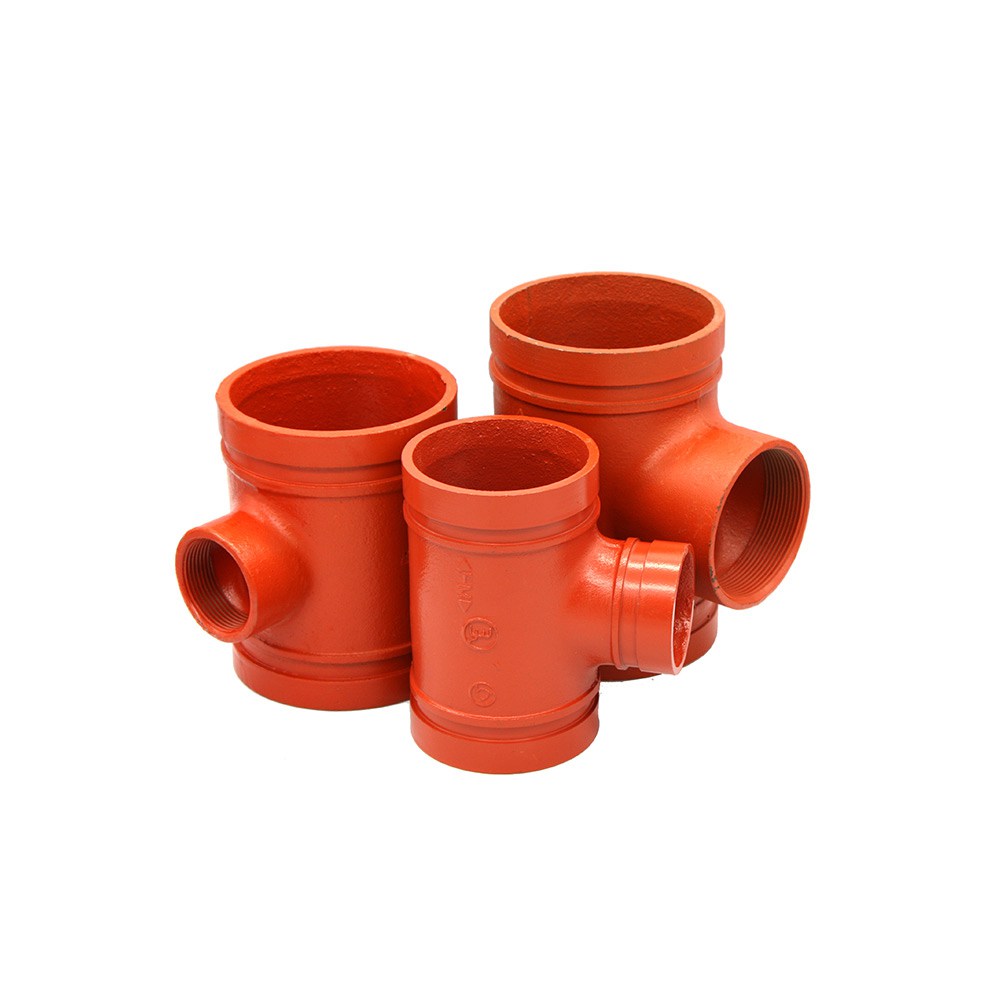
Über Hebei Jianzhi Foundry Group Co., Ltd.
Hebei Jianzhi Gießerei Gruppe Co., Ltd.1982 gegründet, spezialisiert sich auf die Herstellung von Rillenrohrverbindungen, Formeisenbauteilen und industriellen Rohrleitungsprodukten, die weltweit verwendet werden. Das Unternehmen konzentriert sich auf Gießstabilität, präzise Bearbeitung und konsistente Qualität über große Produktionslänge hinweg - Attribute, die bei der Konstruktion von Systemen wichtig sind, die seismischen Kräften standhalten.
FAQs zu Rillenrohrverbindungen und seismischer Widerstand
Sind Rillenrohrverbindungen in den höchsten seismischen Klassifizierungen Italiens zuverlässig?
- Ja. - Ja. Bei ordnungsgemäßer Konstruktion und Unterstützung können Rillenkupplungssysteme Drift auf Weise aufnehmen, die starre Systeme nicht können, was sie für anspruchsvolle Regionen geeignet macht.
Bleiben Rillengelenke während der Erdbebenbewegung versiegelt?
Schütteltischtests zeigen, dass druckempfindliche Dichtungen auch bei einer kombinierten axialen und winkligen Verschiebung des Gelenkes dicht bleiben.
Wie vergleichen sich Nutsysteme bei seismischen Ereignissen mit Schweißsystemen?
Schweißverbindungen widerstehen Bewegungen und entwickeln hohe Spannungskonzentrationen. Rillte Rohrverbindungen bewegen sich mit der Struktur und verteilen Energie, anstatt sie zu bekämpfen.
Sind Rillenarmaturen in italienischen Bauprojekten schneller zu installieren?
- Ja. - Ja. Sie eliminieren Schweißen und Gewinde, verkürzen die Installationszeit und minimieren das Nachbearbeitungsrisiko.
Was bestimmt, ob eine Rillenkupplung unter seismischen Bedingungen gut funktioniert?
Materialductilität, Nuteinheitlichkeit, Dichtungselestizität und Gehäusefestigkeit spielen alle wesentliche Rollen. Dies macht die Lieferantenqualität zu einem entscheidenden Entscheidungsfaktor.