
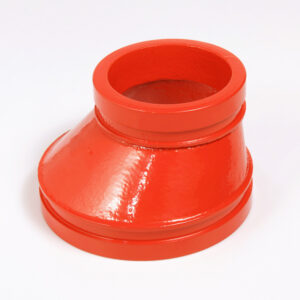
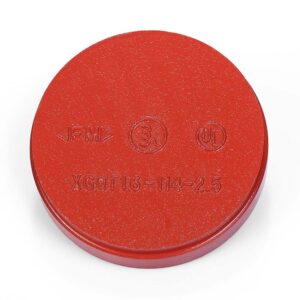
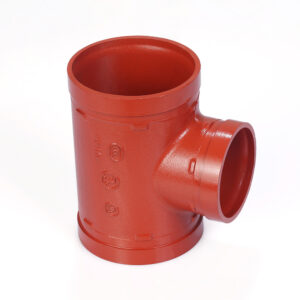
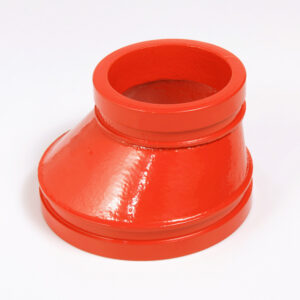
Wenn Sie genügend Zeit mit britischen Brandbekämpfungsmannschaften verbringen, insbesondere mit denen, die in den letzten zehn Jahren durch die Veränderungen der Branche gearbeitet haben, werden Sie eine ruhige, aber unbestreitbare Verschiebung bemerken. Installateure, die einst durch geschweißte Gelenke geschworen haben, sprechen jetzt über Rillenrohrverbindungen Als ob sie schon immer Teil des Handels gewesen wären. Es liegt nicht daran, dass Schweißen plötzlich zu einer schlechten Praxis wurde. Es ist mehr, dass der Druck, der den britischen Bau prägt - strengere Brandschutzvorschriften, komprimierte Zeitpläne, Arbeitskräftemangel und eine allgemeine Intoleranz für Verzögerungen - verschweißte Rohrleitungen schwieriger rechtfertigen.
In Gesprächen an Standorten von Leeds bis Southampton kommt immer wieder ein Gefühl auf: „Wir machen einfach mehr mit grooved.“ Und wenn man beobachtet, wie Brandbekämpfungssysteme unter heutiger Kontrolle in Betrieb genommen werden, wird klar, warum sich dieser Wandel beschleunigt hat.
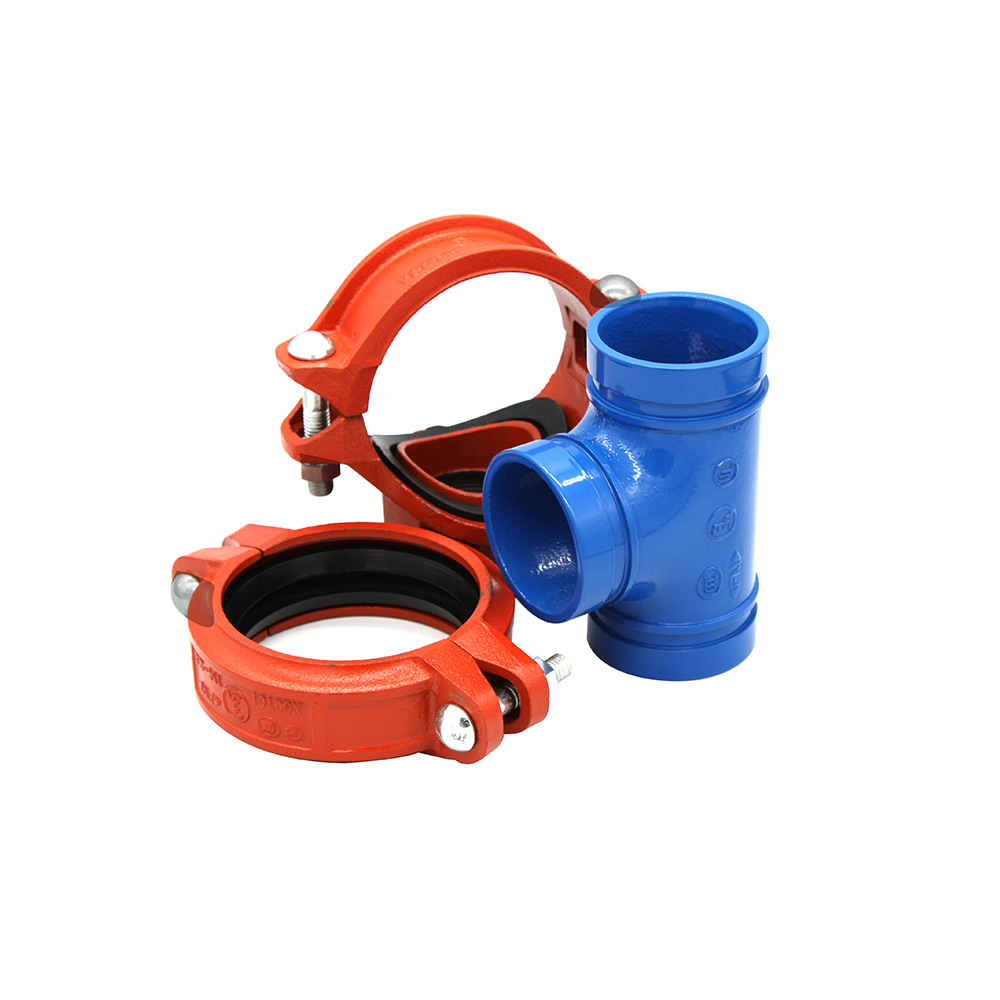
Ein regulatorisches Klima, das Sicherheit vor Tradition fördert
Es ist unmöglich, das Wachstum von Rillenrohrverbindungen in Großbritannien zu diskutieren, ohne anzuerkennen, wie sich die regulatorische Landschaft verändert hat. Nach mehreren Anfragen und Reformen wird die Brandschutzarbeit jetzt genauer als je zuvor untersucht. Entwürfe müssen verteidigbar sein, Installationsschritte müssen nachverfolgbar sein und die Systeme selbst müssen sich bei der Inspektion vorhersehbar verhalten.
Einschränkungen bei heißer Arbeit schaffen praktische Hindernisse
Schweißen, das einst Feuersprüngerrohrleitungen dominierte, trägt jetzt eine lange Liste von Hindernissen. Jeder, der eine Heißarbeitsgenehmigung verfolgt hat, weiß, wie schnell er einen Zeitplan ausgleisen kann. In älteren Gebäuden – vor allem in noch teilweise besetzten Gebäuden – kommen Genehmigungen oft mit zusätzlichen Schritten: temporäre Uhren, zusätzliche Brandrisikobewertungen und Begrenzungen, wann Arbeiten stattfinden können.
Allein aus diesem Grund, Rillte Feuersprinklerarmaturen Appell an Projektleiter. Sie ermöglichen es Crews, kontinuierlich zu arbeiten, ohne auf Genehmigungen zu warten, die rechtzeitig ankommen oder nicht. Bei Nachrüstungsprojekten kann dies der Unterschied zwischen dem Abschluss in einem Wochenende oder dem Verlust einer ganzen Woche sein.
Vorhersägbare Gelenke machen Inbetriebnahme weniger anstrengend
Jeder britische Installateur hat einen schwierigen Inbetriebnahmetag erlebt. Schweißungen, die um 6 Uhr morgens gut aussehen, zeigen plötzlich eine subtile Fehlausrichtung; Ein einziges schwieriges Gelenk auf der fünften Ebene verzögert die Abzeichnung für das gesamte Gebäude. Mechanische Gelenke verhalten sich anders. Bei Rillenrohrverbindungen greift die Kupplung auf eine Weise ein, die eine sofortige Rückmeldung gibt. Wenn es richtig ist, ist es richtig. Wenn nicht, wissen die Installatoren sofort. Diese Vorhersägbarkeit sorgt für reibungslosere Übergaben und weniger beunruhigende Überraschungen während der Inspektion.
Warum Geschwindigkeit der entscheidende Faktor geworden ist
Erklärt die Regelung einen Teil der Schaltung, erklärt die Installationsgeschwindigkeit noch mehr. Britische Auftragnehmer, die unter Design-and-Build-Vereinbarungen arbeiten, arbeiten oft an enger Sequenzierung. Ein halber Tag zu verlieren reicht aus, um elektrische Teams, Trockwandinstallatoren, Deckenmannschaften - jeden zu beeinflussen.
Arbeiten in engen Deckenräumen
Viele Feuersprinkler-Laufe in Großbritannien sitzen nicht in offenen Pflanzenböden. Sie sind in enge Deckenleeren über aktiven Räumen versteckt – Korridoren in Krankenhäusern, Handelsflächen, Studentenwohnungen, umgebauten Mühlen. Der Versuch, in solchen Räumen zu schweißen, ist bestenfalls peinlich, schlimmstens unsicher.
Crews, die auf Rillenrohrverbindungen wechseln, kommentieren oft, dass das, was zuvor eine unangenehme Positionierung und mehrere Hände erforderte, plötzlich handhabbar wird. Sie können schneiden, ausrichten, verbinden und sich ohne den Stop-and-Start-Rhythmus des Schweißens bewegen.
Wenn das Gebäude nicht gerade ist, gewinnt Grooved
Sehr wenige britische Gebäude - insbesondere Vorkriegsstrukturen - bieten perfekt gerade Abläufe für Rohrleitungen: Wände bogen sich, Balken dringen ein und Deckenlinien wandern. Schweißen verlangen Präzision. Aber Rillen Feuersprinkler Armaturen geben Installateuren genau genug Flexibilität, um diese Unvollkommenheiten aufzunehmen. Diese Flexibilität beeinträchtigt die Sicherheit nicht. es erkennt einfach die Realität der Strukturen, in die diese Systeme installiert sind.
Stabilität, Bewegung und reale Leistung
Leistung im Feld – nicht im Katalog – ist der Ort, an dem sich Rillenrohrverbindungen ihren Ruf verdient haben. Großbritanniens Brandbekämpfungsnetze erstrecken sich oft über erhebliche Entfernungen und viele laufen durch Bereiche, die Vibrationen oder Wärmeverschiebungen ausgesetzt sind.
Bewegungsabsorption ohne Komplikationen
Hochhäuser schwanken. Lager fühlen Vibrationen von Gabelstaplern. Verkehrsknoten fangen Zittern von Zügen auf. Schweißsysteme übertragen diese Bewegung direkt auf das Rohr. Im Laufe der Jahre sammeln sich kleine Belastungen an. Mit Nuten Feuersprinklerarmaturen absorbiert die mechanische Kupplung einen Teil dieser Bewegung und reduziert die konzentrierte Belastung. Einrichtungsteams neigen dazu, dies zu schätzen, weil es oft weniger langfristige Probleme in den Bewegungsanfälligsten Abschnitten bedeutet.
Wartungsteams bevorzugen aus praktischen Gründen Grooved
Fragen Sie jeden Anlagenmanager in London oder Glasgow nach geschweißten Unterdrückungslinien, und sie werden wahrscheinlich seufzen. Reparaturen an Schweißsystemen erfordern Schnitt, Freiraum und Lärm - kein Ideal in Krankenhäusern, Einzelhandelsstandorten oder besetzten Büros. Mit Rillenrohrverbindungen wird die Wartung zu einer einfacheren Übung. Besatzungen isolieren, lockern, entfernen und ersetzen. Diese Zeitersparnis führt zu weniger Störungen für Gebäudebenutzer.
Die Wirtschaft hinter der Entscheidung
Neben technischen Überlegungen spielt die Projektökonomie auch eine wichtige Rolle bei der Umstellung des Vereinigten Königreichs auf Nutensysteme.
Arbeitskosten sind zu hoch für langsame Methoden
Großbritannien steht weiterhin vor einem Mangel an erfahrenen Schweißern. Selbst wenn sie verfügbar sind, ist ihre Rate deutlich höher als die der mechanischen Montage-Crews. Mit Rillenrohrverbindungen gewinnen Auftragnehmer ein Maß an Vorhersägbarkeit: Das Gelenk dauert ungefähr die gleiche Zeit, unabhängig vom Installateur, der Temperatur oder der unangenehmen Geometrie des Gebäudes.
Die Entfernung von Heißarbeitsrisiken beeinflusst Versicherung und Planung
Die Klassifizierung heißer Arbeiten hat Versicherungsimplikationen. Durch die vollständige Vermeidung des Schweißens verringern die Nuten-Feuersprinklerarmaturen leise die Belichtung und die Verwaltungsüberwachung. Dies wird nicht immer bis spät im Projekt bemerkt, aber für risikoaverse Kunden ist es ein attraktiver Vorteil.

Über Hebei Jianzhi Foundry Group Co., Ltd.
Für jeden Auftragnehmer, der sich stark auf Nutsysteme verlasst, ist eine konsistente Fertigungsqualität unerlässlich. Hebei Jianzhi Foundry Group Co., Ltd. hat sich über Jahrzehnte zu einem großen Hersteller von Formeisenverbindungen und Rillenkomponenten entwickelt, die weltweit verwendet werden, einschließlich in vielen britischen Brandbekämpfungs- und mechanischen Anlagen.
Die Gieß- und Bearbeitungsvorgänge des Unternehmens betonen die Dimensionsgenauigkeit – kritisch in Rillenrohrverbindungenwobei kleine Variationen die Dichtleistung beeinflussen können. Im Laufe der Zeit hat die Zuverlässigkeit von Jianzhi in der Metallurgie und der Qualitätskontrolle das Unternehmen zu einem zuverlässigen Lieferanten für Auftragnehmer gemacht, die Armaturen benötigen, die sich über Tausende von Gelenken und nicht nur eine Handvoll einheitlich verhalten.
Schlussfolgerung
Der Anstieg der Rillenrohrverbindungen in britischen Brandbekämpfungssystemen ist nicht nur ein Branchentrend. Es’ Es ist eine natürliche Reaktion auf einen Arbeitsplatz, der durch regulatorischen Druck, ehrgeizige Zeitpläne und den Wunsch geprägt wird, unnötige Risiken zu reduzieren. Die Kombination aus schnellerer Installation, vorhersehbarer Leistung und einfacher Wartung hat Rillte Feuersprinklerarmaturen eine zunehmend logische Wahl für britische Auftragnehmer.
Angesichts der unwahrscheinlichen Abnahme dieser Drucke werden Rillsysteme in den kommenden Jahren wahrscheinlich weiterhin Schweißanlagen sowohl in Neubauen als auch in Sanierungen ersetzen.
FAQs zu Rillenrohrverbindungen in britischen Brandbekämpfungsprojekten
Warum ersetzen Rillenrohrverbindungen traditionelle Schweißsysteme in Großbritannien?
Vor allem weil Schweißen Projekte verlangsamt und zusätzliche Risikokontrollen einführt. Genutzte Feuersprinklerarmaturen ermöglichen es Crews, schneller zu arbeiten und Komplikationen bei heißen Werken zu vermeiden.
Sind Rillensysteme für große britische Gewerbeimmobilien zuverlässig?
- Ja. - Ja. Ihre Fähigkeit, Gebäudebewegungen zu handhaben, macht Rillenrohrverbindungen für weitläufige Lager, Türme und öffentliche Gebäude geeignet.
Verringern Nutfittings die Installationszeit erheblich?
Mechanische Verbindungen montieren sich schnell, ohne Schweißvorbereitung oder Kühlverzögerungen.
Sind sie bei Sanierungsprojekten hilfreich?
Extrem. Ältere britische Strukturen haben oft unregelmäßige Layouts, und Rillen Feuersprinklerarmaturen bewältigen unerwartete Geometrie besser.
Vereinfachen Rillensysteme die langfristige Wartung?
- Ja. - Ja. Abschnitte können schnell entfernt und neu installiert werden, so dass Wartungsteams ohne große Störungen arbeiten können.