
If you’ve spent enough time around mechanical rooms, you know that HVAC issues rarely start with the big equipment. Chillers hum along, pumps push water as they should, and controls usually do their job. Yet leaks still show up—sometimes in the middle of a ceiling tile, sometimes around an aging valve, and occasionally right at a connection no one expected to fail.
Ask any technician, and they’ll tell you the same thing: it’s the connections that keep them busy, especially on chilled water and hot water loops. These loops expand when the system heats up, contract when temperatures drop, and never truly rest. Day after day, the metal moves just a little, and over time, those small shifts test the strength of every joint.
This constant movement is one reason malleable iron flanges have earned a reputation for being more durable than many alternatives. They don’t fight the system—they work with it. In buildings where reliability matters, that flexibility becomes a quiet advantage.
Why HVAC Loops Are Tough on Pipe Connections
Daily temperature swings cause real stress
Water loops may look calm on paper, but in practice they’re dynamic. Chilled water drops near freezing when the cooling load is high. Hot water jumps well above 60°C (140°F) in heating season. Pipes respond immediately—expanding, contracting, and shifting lengthwise.
That creates:
- Stress right at the flange faces
- Movement that loosens bolts over time
- Micro-cracks in rigid materials
- Gasket fatigue
What looks like a small change on a temperature graph becomes a long-term challenge for the materials holding the system together.
Mechanical rooms add another layer of pressure
Most mechanical rooms are not gentle environments. Pumps vibrate, valves cycle all day long, and pressure fluctuates with demand. Even well-designed systems develop spots where the piping “talks back” and starts pushing on the connection.
The more brittle the material, the higher the risk of a failure that starts small and grows unnoticed.
Why Malleable Iron Flanges Stand Out in HVAC Applications
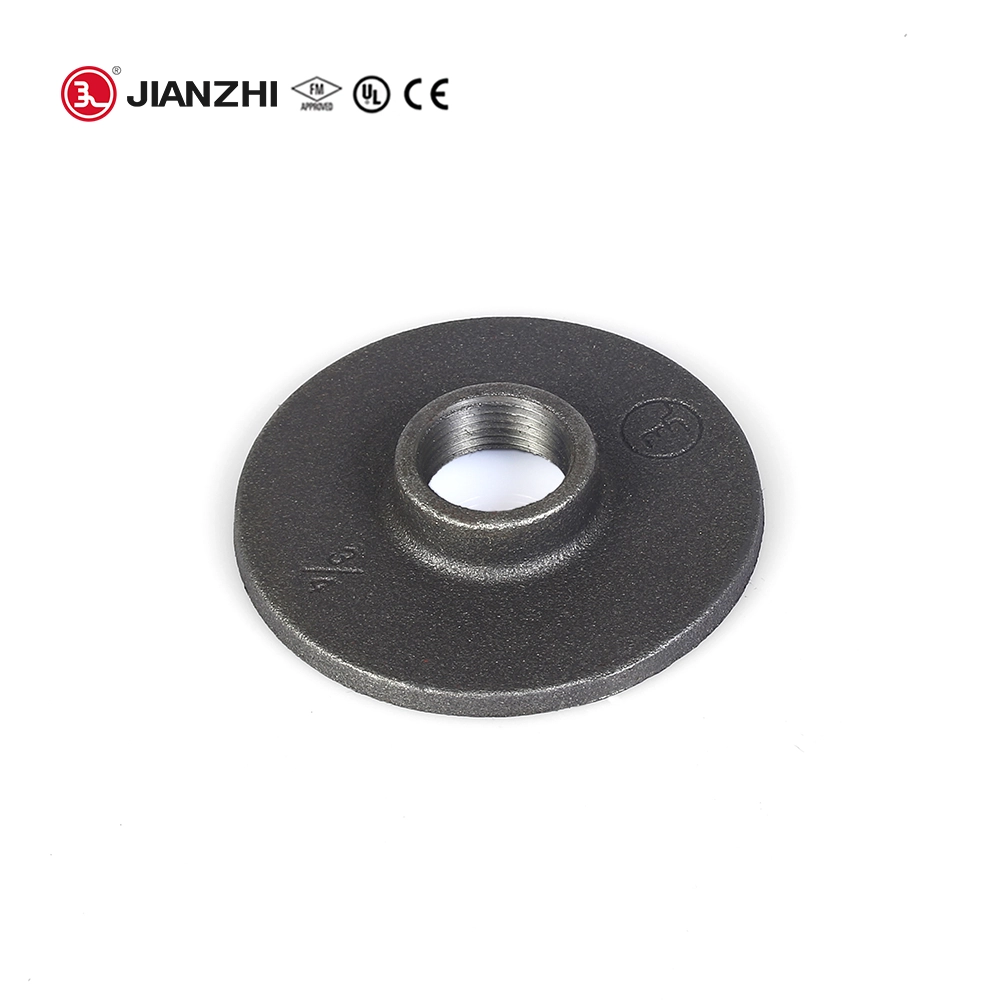
They tolerate movement instead of fighting it
The internal structure of malleable iron is the real difference maker. Rather than creating sharp flakes inside the metal (like gray iron does), the carbon forms in rounded shapes. That subtle detail allows the flange to flex slightly under stress.
In HVAC loops, that flexibility helps prevent:
- Hairline fractures
- Brittleness under repeated cycles
- Sudden joint failures
Systems that run nonstop—hotels, office towers, hospitals—benefit the most.
They hold their seal even when the loop shifts
A flange doesn’t only need strength; it needs stability. Malleable iron stays flat against the gasket even after years of thermal cycling. This helps maintain a consistent seal as:
- Pumps start and stop
- Temperatures change
- Flow rates vary
- Bolts settle
Small leaks don’t become big problems, which is exactly what facility teams want.
They reduce stress on bolts and gaskets
When the flange body absorbs some movement, the bolts aren’t forced to carry it all. As a result:
- Gaskets last longer
- Bolts don’t need re-torquing as frequently
- Maintenance intervals stretch out
- The whole joint performs more predictably
Over a large HVAC system, that translates into real labor savings.
Perfect for both new construction and renovation
On many renovation projects, welding simply isn’t an option. Occupied buildings, hospitals, older structures, and spaces with strict fire guidelines often require cold-work solutions.
Malleable iron flanges are ideal because they:
- Assemble quickly
- Don’t need special permits
- Fit well in tight mechanical rooms
- Allow easier rework and equipment swaps
Contractors appreciate anything that saves hours on site, and these flanges consistently do that.
Where They Make the Biggest Impact
Chilled Water Lines
Low temperatures amplify stress on rigid materials. Malleable iron’s ductility helps the flange stay intact even after years of operation.
Heating Hot Water Loops
Hot water loops put metal under expansion stress. A more flexible flange reduces that constant tension.
Pump Connections
Pumps introduce vibration that slowly damages stiff joints. A malleable iron flange absorbs enough of that motion to make a measurable difference.
Fan Coil Units & Air-Handling Units
When space is tight and maintenance access is limited, reliable flanges reduce long-term labor needs.
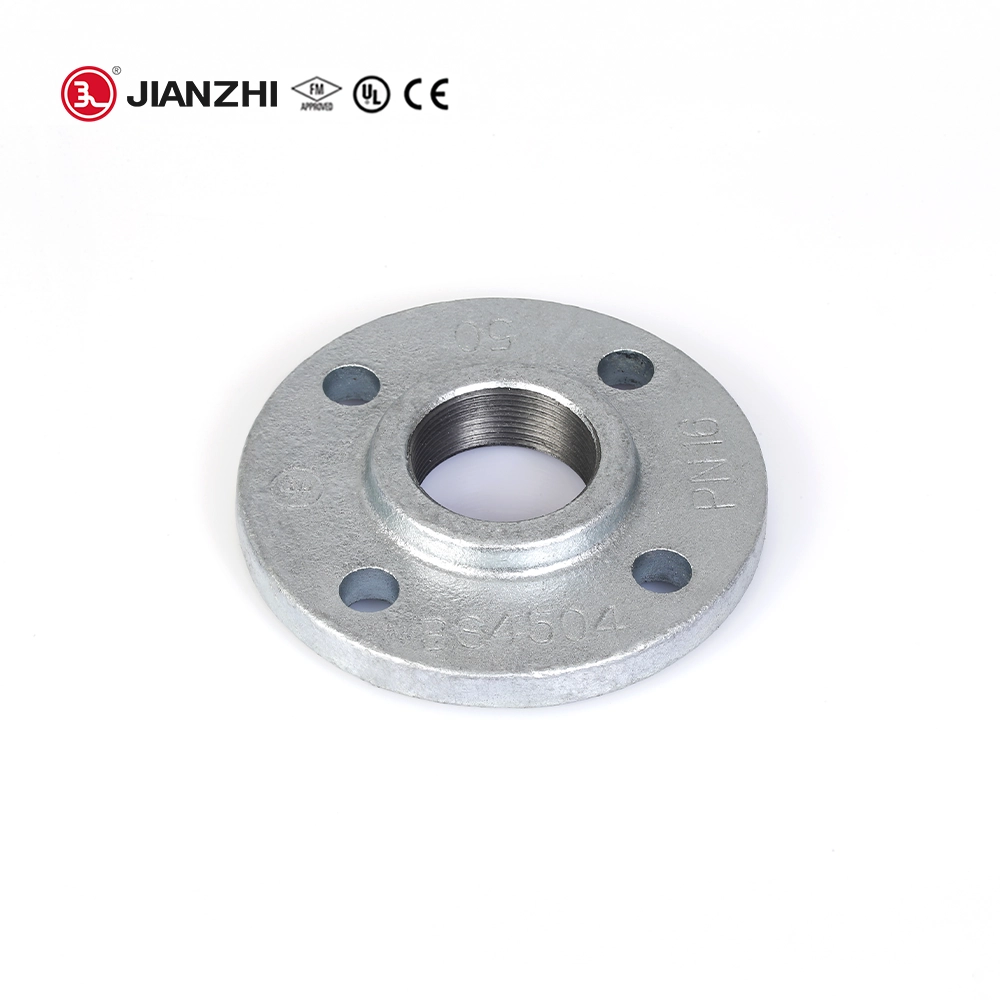
About Hebei Jianzhi Foundry Group Co., Ltd.
Many contractors recognize that a flange can only perform as well as the foundry behind it. Hebei Jianzhi Foundry Group Co., Ltd. has spent decades refining malleable iron production, from raw casting to machining and testing.
Their foundries run automated lines capable of producing consistent parts at scale, and every batch goes through inspections for pressure resistance, dimensional accuracy, and coating quality. For HVAC installations—where reliability matters more than looks—these production habits make a noticeable difference.
What customers appreciate most is the consistency. When a building owner or distributor needs thousands of units for a high-rise or a campus project, Jianzhi has the capacity and the stability to deliver without surprises.
Conclusion
HVAC loops never stop reminding engineers and contractors that the “small parts” matter. Pumps and chillers get attention, but it’s the connectors that quietly determine whether a building stays leak-free season after season.
Malleable iron flanges work well in this environment because they have just the right mix of strength and flexibility. They withstand daily temperature swings, vibration, and pressure changes that slowly wear down more brittle materials.
In chilled water and hot water systems where long-term reliability is the goal, choosing better connection materials is one of the simplest steps—and one of the most cost-effective. When those flanges come from a manufacturer that’s built its reputation on consistency, the whole system benefits.
FAQs About Malleable Iron Flanges in HVAC Systems
What makes malleable iron a good fit for chilled and hot water loops?
The material doesn’t crack easily under repeated expansion and contraction. HVAC loops move constantly, and malleable iron stays intact without losing its seal.
Do these flanges help with pump vibration issues?
Yes. They can absorb small amounts of motion, which helps reduce stress on the joint. This is especially useful at pump suction and discharge points.
Are malleable iron flanges practical for high-rise buildings?
They are. High-rise HVAC systems experience higher static pressure, and these flanges handle those loads without deforming or loosening.
Can they replace welded joints during renovations?
In many occupied buildings, welding isn’t allowed. Malleable iron flanges let contractors work safely and quickly without hot-work permits.
How long can a malleable iron flange last in real HVAC operation?
There’s no single number, but building operators generally report longer joint life compared to more rigid cast materials, especially on systems that run year-round.