

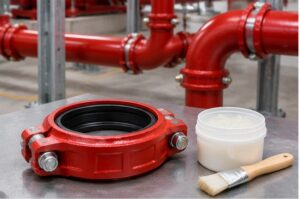
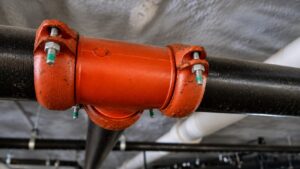

A grooved coupling gasket lubricant should be selected for the actual gasket compound and the coupling manufacturer’s installation method. A tub marked “rubber lubricant” is not enough information. The formulation must also suit the intended service. For contractors assembling fire protection or HVAC piping, resolving those details before installation avoids leaving crews to choose between whatever grease, spray, or paste happens to be nearby.
Lubricant helps the gasket move into position during assembly. It is not a repair material for damaged rubber or an incorrectly prepared pipe end. A joint that closes easily still needs the inspections required by its own installation instructions.
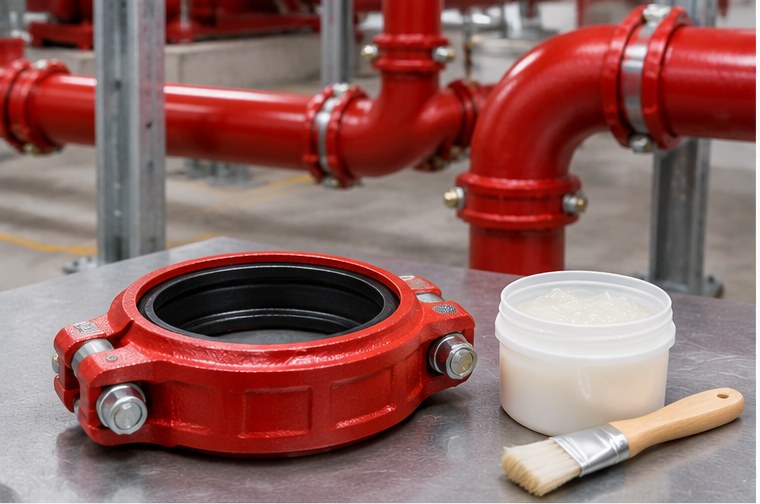
Identify the Gasket Before Choosing a Lubricant
Start with the coupling assembly being supplied. The same nominal pipe size can be used with different gasket grades, so pipe diameter alone cannot determine which installation compound is suitable.
Elastomer Grade and Service Conditions
For an Giunto scanalato rigido XGQT01, the useful starting information is the supplied gasket identification and the installation instructions for that assembly. Record the elastomer grade alongside the fluid and operating temperature. If water contains treatment chemicals, those details belong in the compatibility enquiry too.
Gasket service compatibility and installation lubricant compatibility are related but separate decisions. An elastomer selected for the water in a pipe is not automatically compatible with every material applied to it during assembly. Likewise, an acceptable lubricant does not extend the gasket’s permitted operating temperature or make it suitable for another fluid.
Prelubricated and Field Lubricated Gaskets
Some manufacturers supply prelubricated gaskets. The treatment may be applied to the finished rubber or incorporated into its compound. Neither a powdery appearance nor a slippery feel establishes what another manufacturer’s gasket requires.
Use the instructions for the delivered gasket to determine whether additional lubrication is necessary. Initial assembly and reassembly may have different requirements. A crew should not carry a “no extra lubricant” instruction from one coupling family across to all the accoppiamenti a scanalatura in its stores.
Check the Complete Lubricant Formulation
Once the gasket is identified, compare the proposed lubricant with the manufacturer’s compatibility guidance. The full product name matters here; broad descriptions such as oil, soap, or silicone leave important ingredients unresolved.
Petroleum Products and EPDM
Petroleum grease should not be treated as a default EPDM gasket lubricant. For example, Victaulic’s Style 107N instructions identify petroleum based greases and hydrocarbon based oils as incompatible with its EPDM gaskets. This illustrates why an available workshop grease cannot be approved simply because it makes rubber easier to slide.
That table applies to the products it names. It is not permission to use a listed alternative with a VICAST assembly. Where the proposed product differs from the coupling manufacturer’s recommendation, obtain confirmation for the exact lubricant and supplied gasket before use.
Compatibility Beyond the Base Ingredient
A silicone spray is not interchangeable with silicone grease. Commercial formulations can include carriers and other ingredients, and the product’s intended use may differ. “Silicone” on the label therefore does not settle compatibility.
The safety data sheet helps identify the product and its handling requirements. It does not, by itself, approve the lubricant for a particular coupling. Pair it with the technical data sheet and the coupling manufacturer’s recommendation. If potable water requirements apply, check the relevant acceptance for the proposed product and use rather than assuming that all pipe joint compounds qualify.
Apply the Approved Lubricant During Assembly
An agreed product still has to be applied correctly. The application instructions should remain with the installation team, together with the coupling and gasket identification used to approve it.
Application Surfaces and Quantity
Follow the specified surfaces and coverage. Instructions may distinguish the gasket sealing lips from its exterior, and the method can vary with coupling design. There is no universal coating quantity for every model and size.
More lubricant is not a substitute for checking pipe preparation or gasket position. If assembly requires unexpected force, investigate the cause before continuing. VICAST’s guida all'installazione del giunto scanalato provides general assembly context; the instructions supplied for the exact product govern the work. Keep gasket lubrication separate from bolt lubrication, since applying a compound to threaded hardware can change tightening behaviour.
Contamination and Reassembly
A clean gasket can pick up debris from a dirty brush or an open container. Keep the selected lubricant identified and protected during work. An unlabelled portion transferred into another tub makes later compatibility checks much harder.
If the wrong compound has already been applied, stop assembly and seek the manufacturer’s disposition. Adding the approved product over it does not establish compatibility. During maintenance, isolate, depressurize, and drain the relevant section before disassembly. Inspect the components and follow the specified replacement and relubrication requirements rather than assuming an old gasket can be cleaned and returned to service.
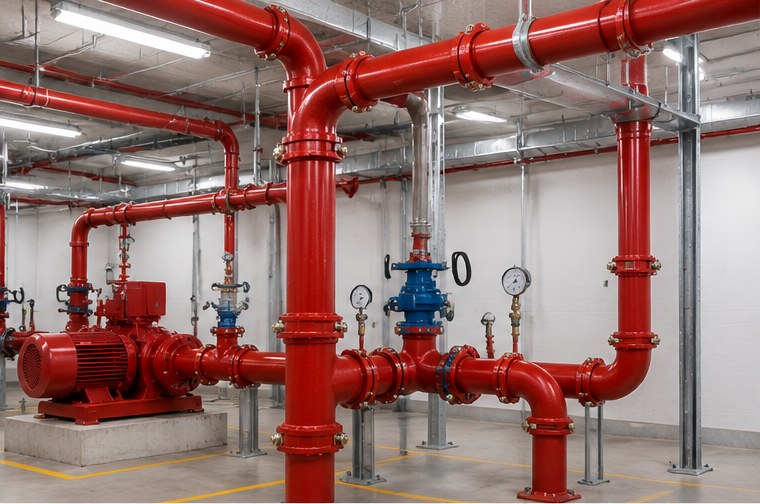
Confirm XGQT01 Installation Requirements with VICAST
VICAST offers XGQT01 rigid couplings for HVAC, fire protection, and industrial piping. Its product page identifies the model and provides a product data download, giving buyers a specific reference for an installation enquiry.
When requesting a quotation or product information, ask which gasket is included and which lubricant and application method are required. A photograph of the lubricant label can help clarify an existing site product. Resolve any proposed substitution before it reaches the installation area.
Conclusione
Choose lubricant by the supplied gasket, the complete formulation, and the applicable installation instructions. Keep that choice identifiable through assembly and maintenance. Ease of installation alone cannot demonstrate chemical compatibility or correct joint assembly.
Domande frequenti
Can dishwashing liquid replace a coupling gasket lubricant?
Do not assume it can. Household products have varying formulations. Use one only if the coupling manufacturer accepts that exact product and application.
Does gasket lubricant replace pipe thread sealant?
No. A grooved coupling seals through its specified gasket assembly. Thread sealant serves a different connection and should not be substituted for gasket lubricant.
How long can an opened lubricant container be kept?
Follow its stated shelf life and storage instructions. Do not invent a universal period; seek the supplier’s advice if the product has changed condition or become contaminated.