
Pipe joining methods shape the pace and reliability of mechanical installations across commercial towers, manufacturing plants, and municipal infrastructure projects. Raccordi per tubi a scanalature vs threaded vs welded vs flanged connections each tackle installation speed, material pricing, pressure containment, field servicing demands, and service life with distinctly different mechanics. The ongoing shortage of certified welders on job sites continues to steer contractors toward joining techniques that depend on standard hand tools and bolting rather than high-skill fusion work. Fire protection codes now place heavy emphasis on joints that hold firm during hydraulic transients in sprinkler systems, while HVAC piping must routinely absorb thermal cycling, minor structural settlement, and vibration from pumps or compressors. Procurement specialists and project engineers run full lifecycle cost breakdowns that include direct labor exposure, inspection overhead, rework contingencies, and ease of future tie-ins or reroutes to sidestep the steep penalties that come with premature joint issues or prolonged shutdowns for repairs.
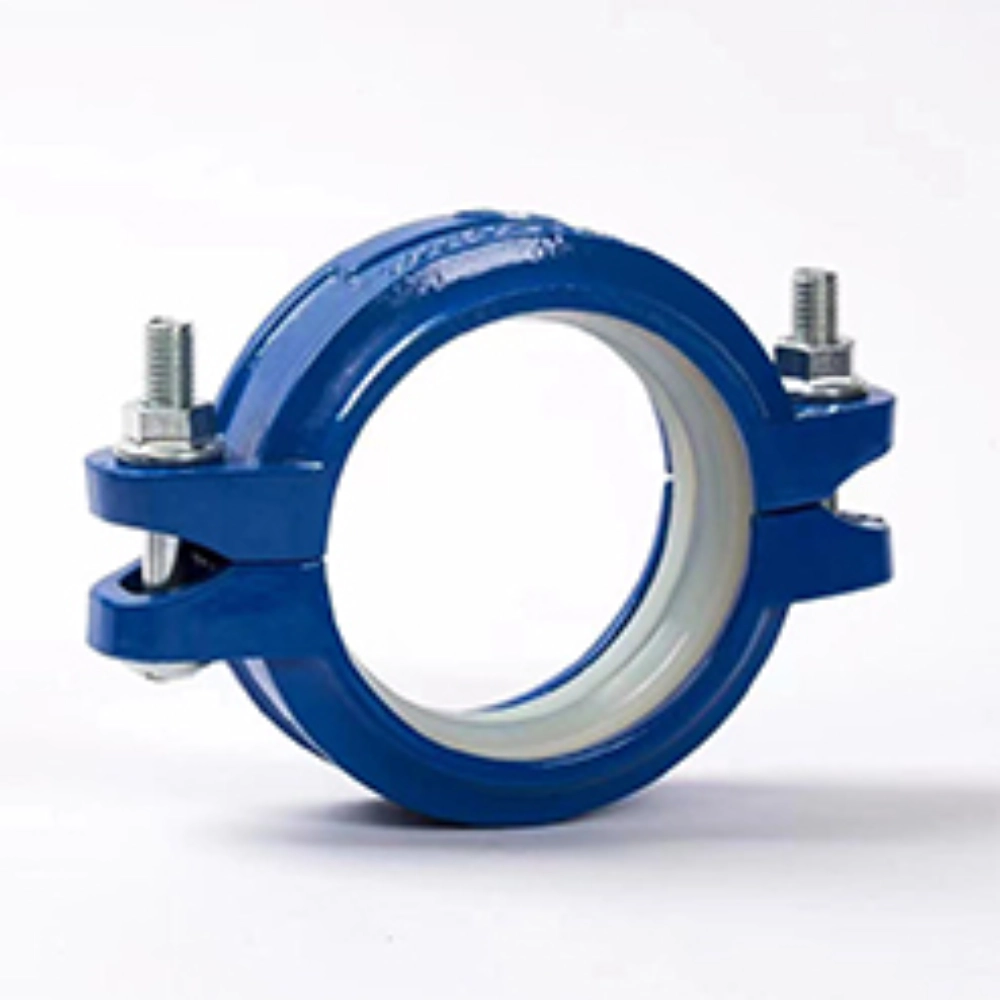
This breakdown draws from repeated execution on mechanical packages, cross-checked against actual installation hour logs from deliveries closing out in 2025 and carrying into 2026, and observed behavior in systems running under design loads. It covers field-verified examples—pushing a fire sprinkler retrofit through an occupied multi-tenant building with very narrow access windows, securing high-pressure process lines during a refinery outage, or arranging straightforward isolation for large centrifugal pumps in water treatment stations—so final selections rest on documented results instead of broad generalizations. Grooved connections surface again and again as the most pragmatic choice in mechanical and fire protection work, blending mechanical straightforwardness with sufficient allowance for misalignment, vibration isolation, and thermal travel.
Grooved vs Threaded vs Welded vs Flanged: At-a-Glance Comparison (2026)
Figures taken from live estimating software, daily foreman logs, and reconciled job costs give a clear side-by-side picture. The table reflects numbers that mechanical teams see regularly on commercial and industrial piping contracts.
| Dimension | Raccordi per tubi a scanalature | Threaded Pipe Fittings | Welded Pipe Fittings | Flanged Pipe Fittings | Best Fit in 2026 |
| Velocità di installazione | Fastest (5–10x faster than welding) | Moderate (quick up to 4 inches) | Slowest (prep, passes, NDT) | Moderate (bolt pattern torquing) | Grooved on tight schedules |
| Initial Material Cost | Medium to high (couplings premium) | Lowest | Medium (labor heavy) | High (flanges, bolts, gaskets) | Threaded when budgets are locked down |
| Total Installed Cost | Frequently lowest (30–50% labor drop) | Low to medium | High (testing + rework risk) | Medium to high | Grooved in most mechanical runs |
| Pressure/Temperature Range | Medium to high (1000+ psi common) | Low to medium | Highest (joint usually exceeds pipe) | Alto | Welded/flanged for extreme service |
| Maintenance/Disassembly | Excellent (bolt removal) | Good (unscrew carefully) | Poor (cut and reweld required) | Excellent (bolt access) | Grooved or flanged |
| Vibration/Thermal Movement | Superior (flexible couplings absorb) | Limited (rigid, fatigue potential) | Rigid (almost no give) | Moderate (gasket compliance) | Grooved in vibrating or cycling lines |
| Common Applications | Fire protection, HVAC, water treatment | Small plumbing, low-pressure gas | High-pressure steam, chemical lines | Pumps, valves, large process piping | Grooved leading fire/HVAC growth |
| Safety Considerations | No hot work, reduced fire exposure | Sealant control | Permits, fumes, fire watch | Torque control to avoid blowouts | Grooved cuts site hazards |
Superintendents and piping foremen running live mechanical scopes report consistently that grooved fittings provide the most dependable mix of fast progress and reliable sealing when real job conditions apply.
Why These Four Methods Still Rule Piping Decisions in 2026
The same field limitations keep coming back. Welders with proper certification stay hard to line up, particularly during overlapping trades or peak seasons, which drives premiums whenever hot work hits the schedule. Fire protection requirements have moved toward joints that survive pressure spikes without failure when heads trip. HVAC circuits face repeated expansion and contraction from load changes, while buildings settle slightly over time, stressing rigid assemblies. Process lines endure ongoing corrosion, machinery vibration, and high pressures that quickly highlight any weak link.
Grooved pipe fittings counter several problems at the same time. No flame means no hot work paperwork, no fire watches, and no ventilation setups; adjustable wrenches replace welding rigs and consumables. The gasketed housing design naturally allows angular correction and axial movement take-up. Threaded fittings stay viable for compact, lower-pressure drops where piece cost controls everything else. Welded joints deliver the strongest metallurgical bond where permanence cannot be compromised. Flanged connections make sectional isolation clean and repeatable around heavy equipment.
Progress reports from projects finishing late 2025 and moving through 2026 show grooved joints averaging 10–20 minutes per mid-size connection, against 50–90 minutes for welded once beveling, alignment, deposition layers, interpass cleaning, cooling, and NDT steps stack up. Labor cost reductions land between 30% and 50% for complete systems, with the gap widening sharply in retrofit work where downtime carries heavy financial weight. Market outlooks indicate ductile iron grooved fittings continuing to gain share in fire protection and HVAC, with projected compound annual growth rates of 4.7% to 5.8% heading into the 2030s, supported by prefabrication trends and the demand for quicker mechanical handover.
Grooved Pipe Fittings – The Workhorse Choice for Speed and Practical Movement Handling
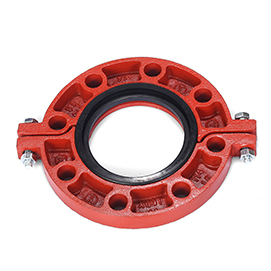
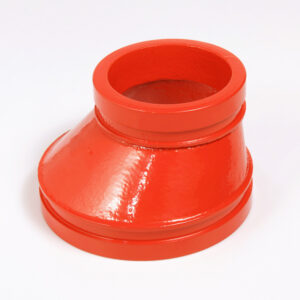
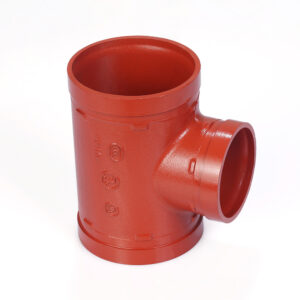
Grooved connections use a rolled or cut groove near the pipe end. An elastomer gasket compresses into the groove, and a split ductile iron housing clamps over it with torqued bolts. Joints assemble with ordinary tools and usually finish in under ten minutes—no torches, no threading stations.
Advantages Proven on Site
Typical 6-inch joints go together in 5–10 minutes versus 30–60 minutes for welding after setup, passes, and inspection time add up. Roll-grooving keeps full wall thickness intact, avoiding the thinning that raises corrosion exposure in threaded pipe. Flexible couplings take several degrees of misalignment and reduce vibration or thermal shift transmission—routine in chilled water runs near chillers or fire mains close to pumps. Service crews appreciate breaking and remaking joints without pipe cutting, which cuts outage time for strainer pulls, valve servicing, or rerouting.
Limitations That Show Up
Couplings and gaskets raise unit costs over plain threaded pieces. Ratings fit standard building services but lag behind welded in extreme high-pressure ranges. Pipe ends need to stay round; damage from handling or storage can affect gasket seating.
Where They Dominate
Fire sprinkler systems rely on grooved fittings for fast routing and resilience against water hammer at activation. HVAC chilled and heating loops gain from lower joint stress during cycles. Water treatment plants use them in phased builds that require frequent changes. Field surveys put grooved at over 50% of new commercial fire protection work, driven by code fit and faster commissioning.
Threaded Pipe Fittings – Steady for Small, Cost-Sensitive Branches
Threaded fittings mate tapered threads sealed with compound or tape. They work reliably up to about 4-inch diameters.
Advantages Seen
Pricing stays at the bottom, fitting domestic branches, air drops, or small gas lines. Assembly uses standard wrenches or vises—no big equipment needed. Joints come apart easily for changes.
Drawbacks in Practice
Threads remove wall material, creating stress points that speed fatigue under vibration or corrosion. Larger sizes slow threading and need heavy machines. Sealants can degrade or shift with temperature swings, leading to slow leaks.
Fitting Scenarios
Low-pressure, small-bore runs where material savings matter most.
Welded Pipe Fittings – The Go-To for Ultimate Strength
Welding fuses pipe and fitting into one piece, usually butt or socket style.
Advantages
Joints often outlast the pipe in pressure and heat resistance. Smooth bores cut turbulence and wear.
Svantaggi
Time builds with beveling, fit-up, passes, cleaning, and testing. Hot work brings permits, monitoring, and ventilation. Changes mean cutting sections out.
Fitting Scenarios
Permanent high-pressure steam, chemical, or hot-fluid lines.
Flanged Pipe Fittings – Made for Easy Access
Flanges bolt together with gaskets between faces.
Advantages
Bolts allow clean isolation for pump work, valve swaps, or meter service. They scale to large sizes and high classes.
Svantaggi
Flanges, bolts, and gaskets increase material spend. Alignment and torquing must be precise to prevent gasket issues.
Fitting Scenarios
Piping around pumps, valves, or equipment needing regular intervention.
Which Joining Method Matches the Job? Decision Path for 2026
Check parameters in order.
- Diameters over 4 inches with short timelines? Grooved or flanged leads.
- Pressures above 1000 psi or high temperatures? Welded or flanged takes over.
- Tight windows or few welders? Grooved stands out.
- Budget rules small low-pressure work? Threaded works.
- Maintenance or swaps planned? Grooved or flanged simplifies it.
Fire protection and HVAC sectors keep growing and leaning toward grooved for speed plus movement handling.
Hebei Jianzhi Foundry Group Co., Ltd. (Vicast)
Hebei Jianzhi Foundry Group Co., Ltd., trading as Vicast, has manufactured pipe fittings since 1982. The facility spans 1.4 million square meters and runs with about 4500 employees, including over 350 engineers and technical staff. Ductile iron grooved pipe fittings make up a core line, covering couplings, mechanical tees, mechanical crosses, flanges, elbows, reducers, and related pieces. Quality follows ISO 9001, environment per ISO 14001. Output supports shipments to more than 100 countries. Work on national and industry standards plus over 200 patents shows steady focus on reliable performance in mechanical and fire protection service.
Ready to Lock in the Right Joining Method for the Next Scope?
Raccordi per tubi a scanalature give the strongest overall balance for most commercial and mechanical piping in 2026. They slash assembly time, reduce job-site risks, and manage movement while holding seals. Threaded keeps costs low on small work, welded handles tough conditions, flanged eases big maintenance—yet grooved keeps gaining ground in expanding areas.
See the full range of grooved pipe fittings at https://www.cnvicast.com/products/ or contact through https://www.cnvicast.com/about-us/ for specs, pricing, or project-specific support.
Domande frequenti
Is grooved better than threaded for fire protection systems?
Grooved connections outperform threaded in fire protection because they assemble faster, keep full pipe wall strength without thread thinning, and handle vibration better during surges in sprinkler lines.
How much faster is grooved installation compared to welded pipe fittings?
Grooved joints typically finish 5–10 times quicker than welded, with project logs showing 30–50% total time savings including prep, hot work, and inspection.
When should flanged pipe fittings take priority over grooved?
Flanged connections win where frequent disassembly happens, such as around large pumps or valves in process piping, since bolts allow removal without cutting pipe.
Do grooved pipe fittings handle thermal expansion well in HVAC lines?
Flexible grooved couplings absorb temperature movement, lowering joint stress and leak chances compared to rigid threaded or welded setups.
Why do grooved fittings work well for retrofits in occupied buildings?
No hot work, minimal tools, and quick joints let grooved fittings go into live or tenanted spaces with much less disruption than welding or heavy threading.